14.10.26
We’re delighted to share a new case study, policy paper and podcast from Community Innovation Practitioner, Eilish Victoria, in partnership with Creative Dundee and Duncan of Jordanstone College of Art and Design at the University of Dundee – funded by the UKRI Arts and Humanities Research Council (AHRC) and led by Northumbria University.
New research published today by the AHRC Creative Communities programme provides fresh evidence of how greater devolution can drive innovation, inclusive growth and stronger communities across the UK.
The research, published at a pivotal moment for devolution under Prime Minister Andy Burnham’s new government, argues that transferring greater powers and resources to places must be accompanied by new ways of involving communities in the decisions, research and innovation that shape their futures.
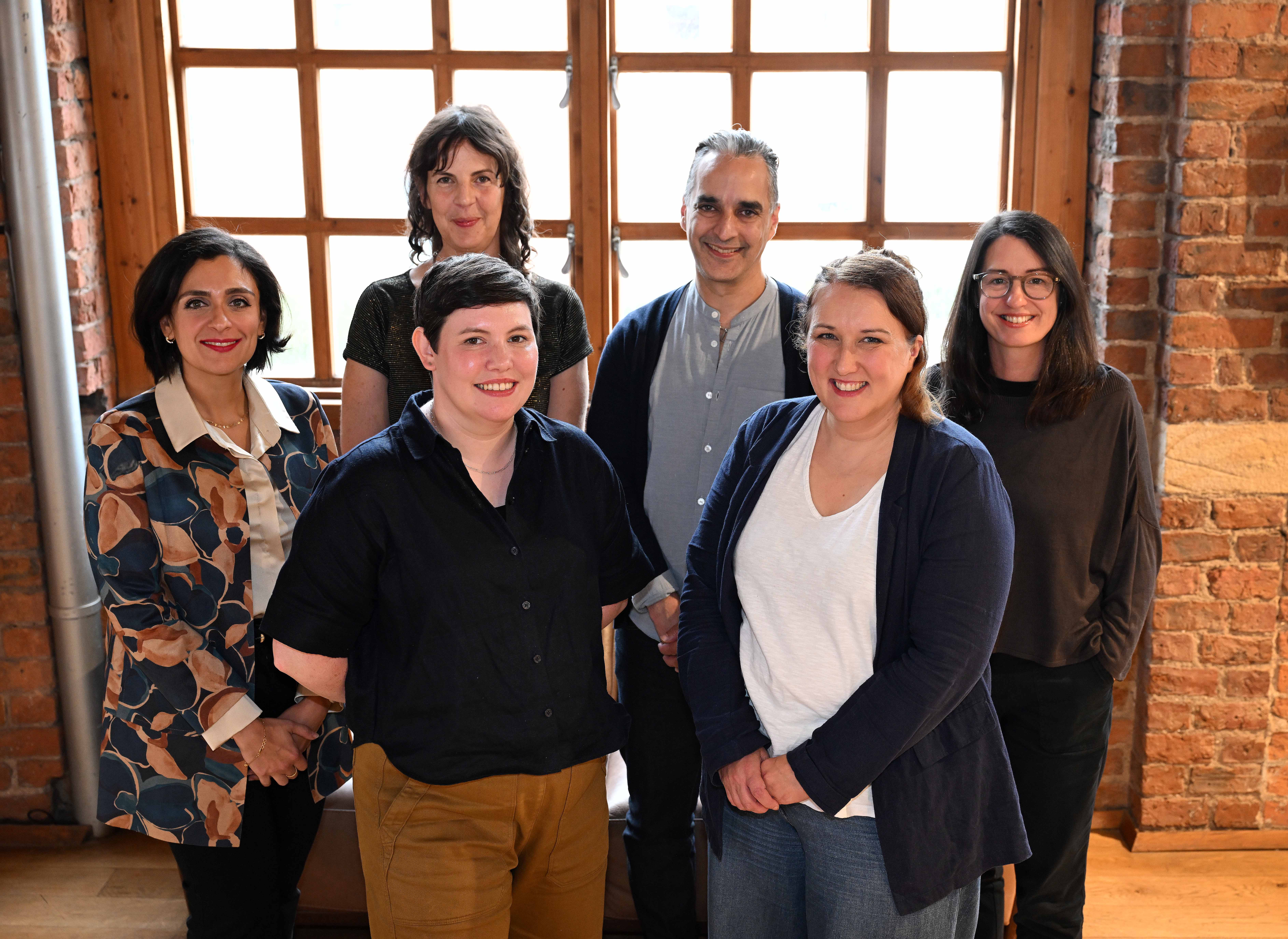
Six Community Innovation Practitioners have today published a new collection of case studies, devolved policy papers and Creative Communities podcast episodes. In Dundee, Creative Space as a Catalyst for Community Wealth Building, led by Eilish Victoria, explores how better creative space infrastructure could enable creative communities to play a greater role in shaping places, strengthening local economies and contributing to Scotland’s Community Wealth Building ambitions.
As the only Scottish project in the AHRC Creative Communities cohort, the research is rooted in Dundee but explores challenges and opportunities relevant to creative communities across Scotland. It examines the local and national partnerships, policies and investment needed to make creative space more accessible, secure and sustainable – and the wider benefits this infrastructure could unlock for communities and places.
Our research findings and policy recommendations were shaped by a series of local creative space assemblies which brought together representatives from Abertay University, Dundee City Council, Leisure and Culture Dundee, Dundee and Angus Chamber of Commerce, The University of Dundee, cultural organisations and creative practitioners. We also connected with national organisations including the Scottish Government’s Culture and Community Wealth Building teams, The Improvement Service, Creative Scotland, Community Land Scotland, CLES, Social Enterprise Scotland and Community Enterprise, linking Dundee’s experiences with Scotland’s wider policy context and the work of existing creative spaces and communities.
Through these conversations, one clear opportunity continued to emerge: Community Wealth Building (CWB). In February this year, the Scottish Government passed the Community Wealth Building Act, setting out a new economic approach for Scotland and becoming the first country to adopt CWB at a national scale. At its heart, CWB aims to keep wealth, opportunity and decision making rooted locally. Guidance issued by the Scottish Government will place fresh responsibilities on local authorities and public bodies around land, procurement and economic development, giving communities greater influence over the spaces and assets around them.
Creative communities already contribute to the economic, social and cultural life of places, but without access to affordable, long-term space, creative communities’ ability to contribute is limited. As a result, creative space infrastructure should be considered a critical component of local and national CWB strategies.
The accompanying policy paper sets out recommendations for local authorities, the Scottish Government, public bodies, national support organisations and funders. These include improving access to public assets, developing clearer ways to recognise and assess the social and cultural value of creative spaces, and helping creative communities demonstrate how their work contributes to Community Wealth Building.
It also calls for stronger partnerships between cultural organisations, local authorities, landowners, funders and economic development agencies. By bringing these sectors together, Scotland has an opportunity to develop more sustainable models of creative space – supporting cultural activity while also generating wider benefits for local wealth, employment, community connection and place-based regeneration.
For cultural organisations and creative practitioners, this means making the case for space not only in terms of the activity it enables, but also the long-term value it creates for communities. For national policymakers and public bodies, it means ensuring that cultural infrastructure is considered alongside other assets and resources essential to Scotland’s economic future.
This research offers a starting point for that shared work: building the partnerships, policies and practical tools needed to help creative communities contribute fully to Community Wealth Building across Scotland.
We look forward to hosting an online forum event with local and national partners on Tuesday 10th November. More information to follow soon!
With thanks to the organisations and creative practitioners that contributed to this research, including: The Scottish Government, Creative Scotland, Community Enterprise, Social Enterprise Scotland, CLES, The Improvement Service, Community Land Scotland, Dundee City Council, Leisure and Culture Dundee, Dundee & Angus Chamber of Commerce, Abertay University, V&A Dundee, UNESCO City of Design, Matthew Richter, Malath Abbas, Rhona Jack, Luck Burt, Tom Metcalfe, Jacqueline Donachie, Anita Taylor and the Creative Communities team – Prof Katy Shaw, Lauren Baker Mitchell, Dr Rachel Connor, Vic Turnbull and Sean Kippin.
Funded by the UKRI Arts and Humanities Research Council (AHRC) and led by Northumbria University, the findings come from the programme’s Community Innovation Practitioner (CIP) Awards. The Community Innovation Practitioner Awards represent an investment of almost £500,000, catalysing place-based research and innovation across all four nations of the UK.
Over the past year, the CIPs have worked on live challenges across England, Scotland, Wales and Northern Ireland, testing approaches that respond to the different economic, cultural and governance contexts of their places. The other CIP projects include:
Find out more on the Creative Communities website.

If you would like to support us in creating even better content, please consider joining or supporting our Amps Community.