14.04.26
We’re so excited to return to Fabric – an informal peer-learning journey to share, reflect and imagine how collective action can shape a better tomorrow. Bringing together young people, creative practitioners, and youth and health workers, Fabric: Creating Care will explore how creativity, care and systems that currently support young people can be stronger, better shaped and more hopeful in Dundee.
In this blog, Anna Rooney takes us through the first session, ‘Safety and Belonging’, and reflects on her experience of a day filled with inspiring spaces, playful activities, and creative reflection.
The first day of Fabric encapsulated its theme of ‘Safety and Belonging’ as we were warmly received by organisations and practitioners who are fostering community and support in Dundee. I met the cohort at Feeling Strong, Dundee’s charity for youth mental health support and felt right at home in their Art Room.
Claire began the day with an outline of Creative Dundee’s previous projects linked to creativity and mental health and established a framework to keep group discussions safe and confidential when sharing personal stories and experiences. Feeling Strong’s Recovery and Support Coordinator Emma guided us through the organisation’s different meeting rooms and private spaces, showcasing how young people are supported socially and emotionally through their events and groups like the drop-in cafe, Art Nights, and Stitch ‘n’ B*tch.
It was inspiring to hear about how the organisation is both run by young people and designed for young people, and how it provides access to support for their mental health outside of clinical settings. With projects like the Mental Health Manifesto, young people are encouraged to lead on decision-making and have been documenting their poor experience with treatment for mental illness in Dundee. In the past I have also felt frustrated and let down by the services that are supposed to provide the support for mental health recovery, and I relate to the young people who described a lack of concern given to those who are struggling but still performing well academically. The Manifesto has allowed young people to share their perspectives directly with the Scottish Government through this campaign and in discussions with Joe Fitzpatrick, MSP for Dundee West during their trip to Scottish Parliament last June.
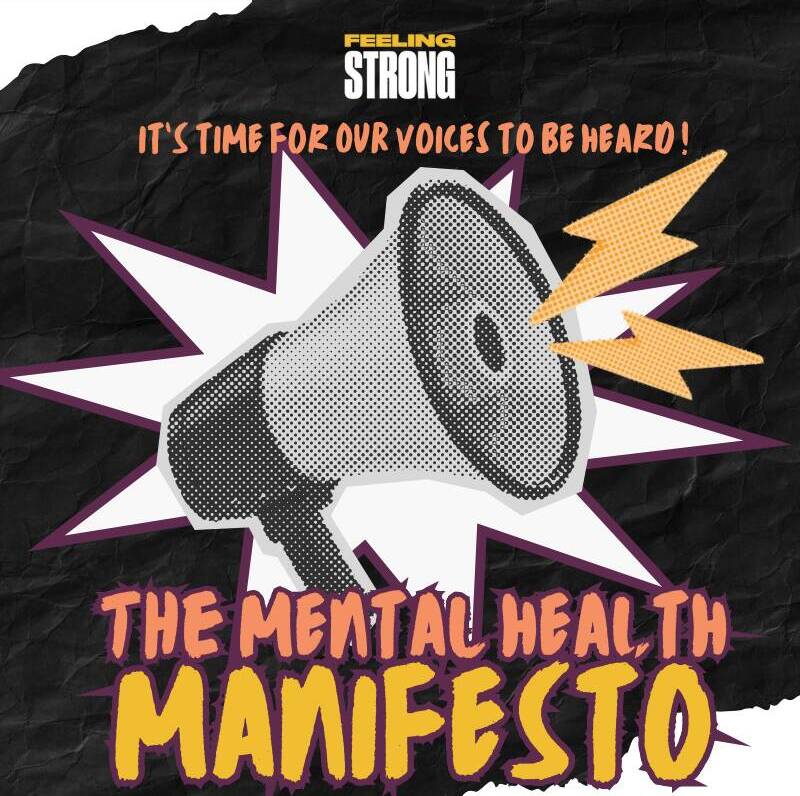
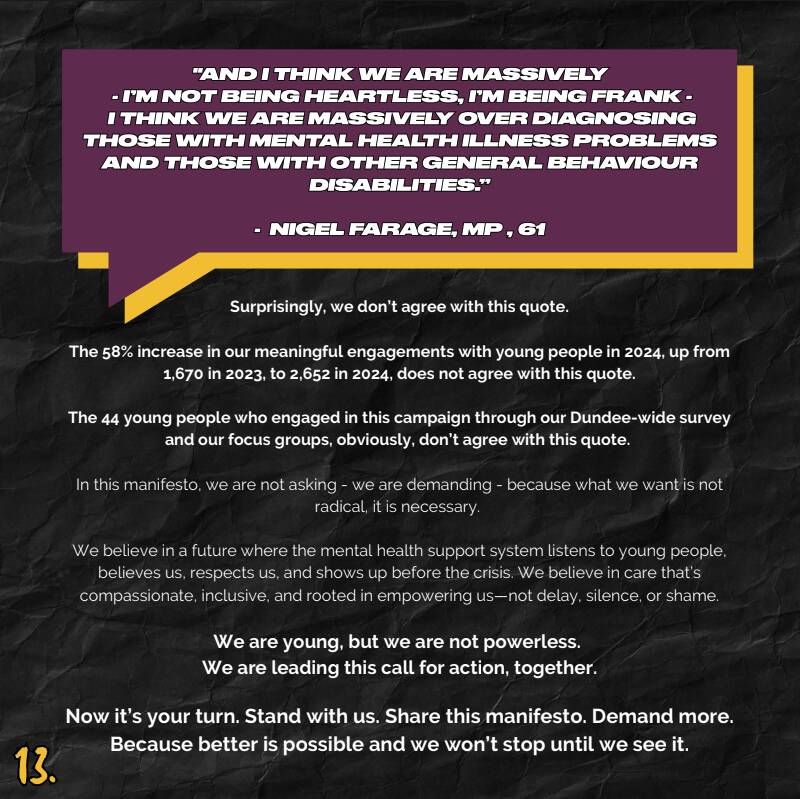
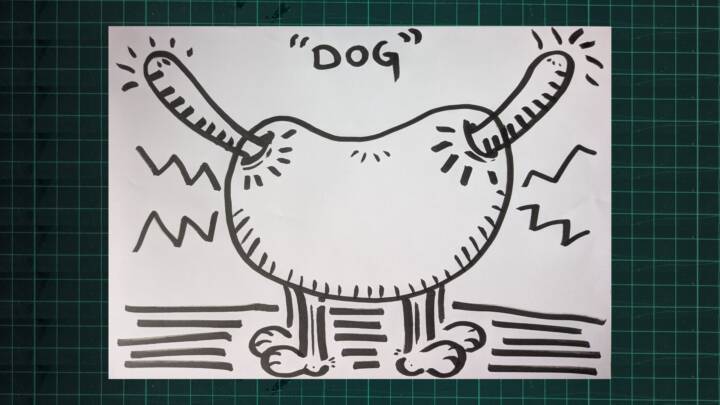
Excerpt from Feeling Strong’s Mental Health Manifesto
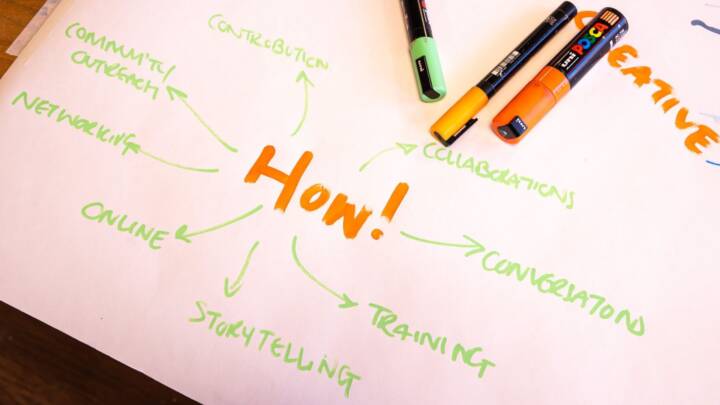
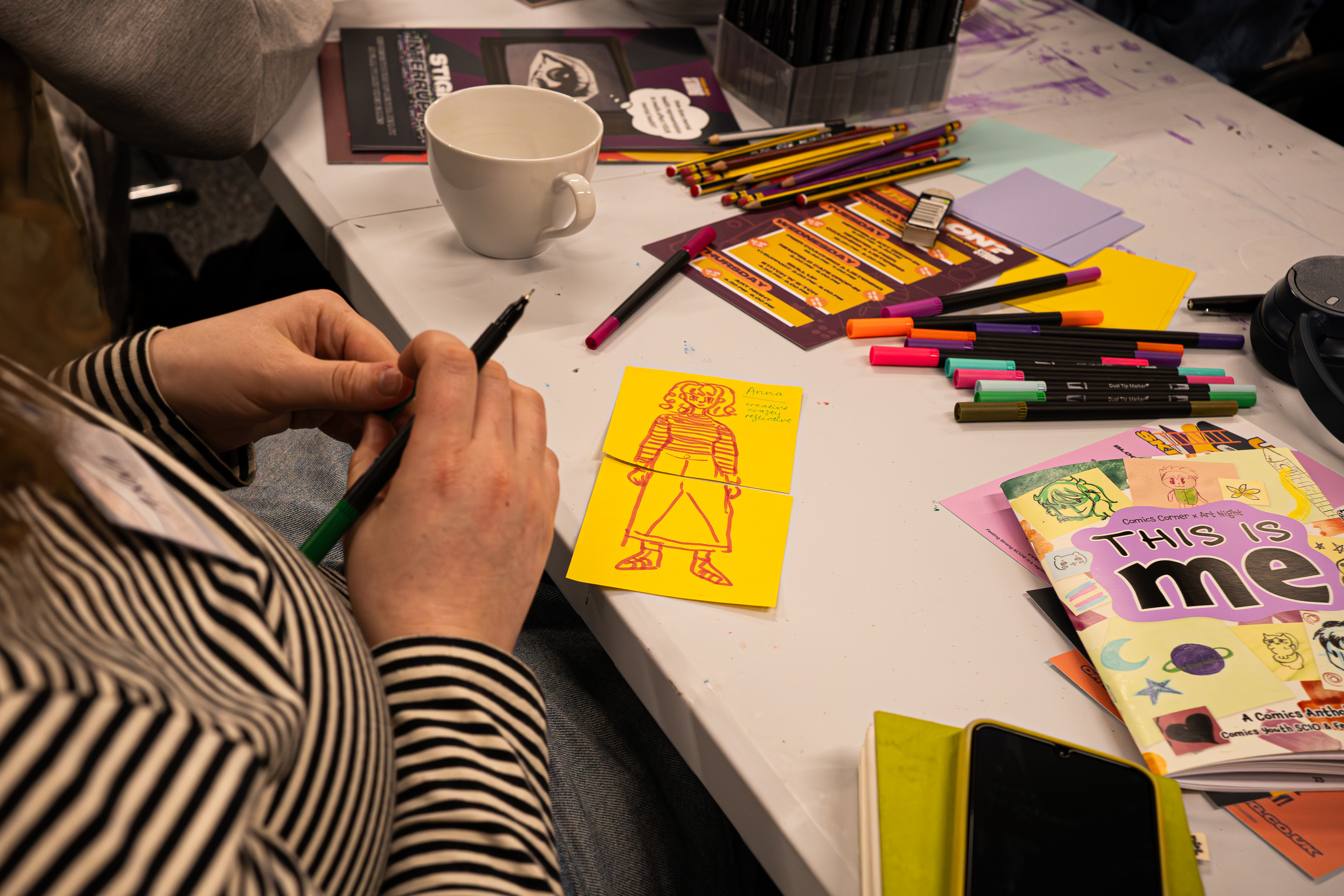
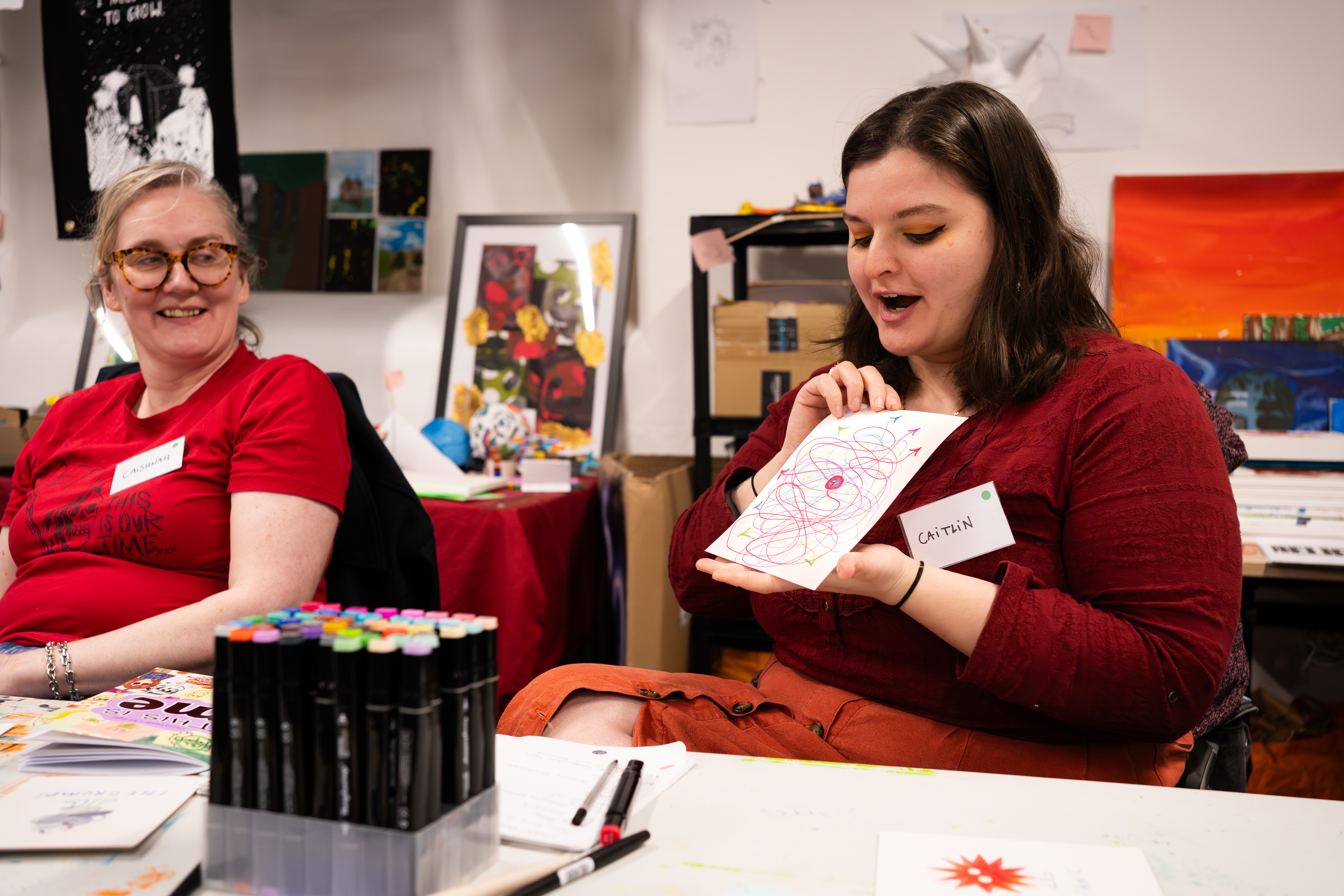
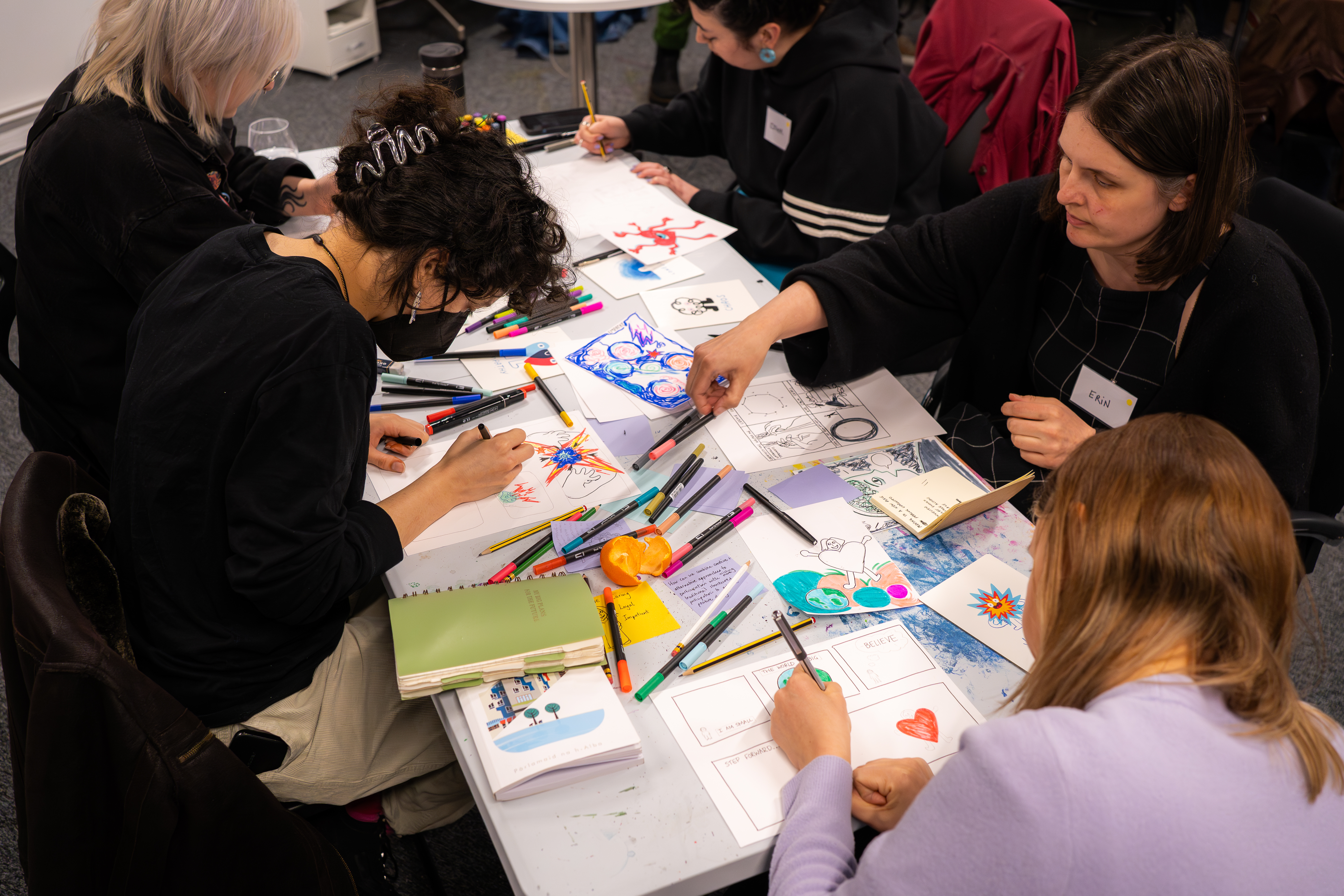
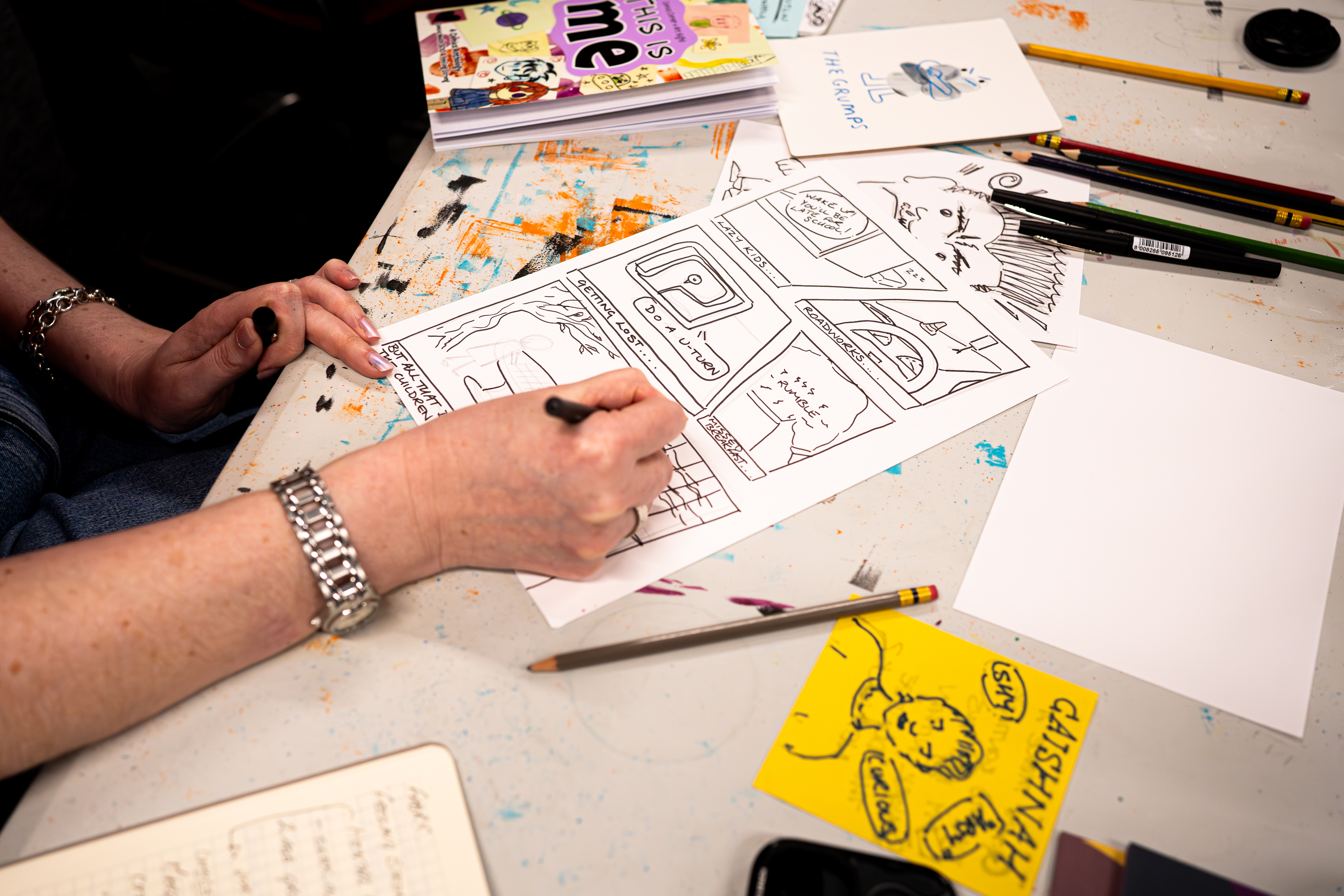
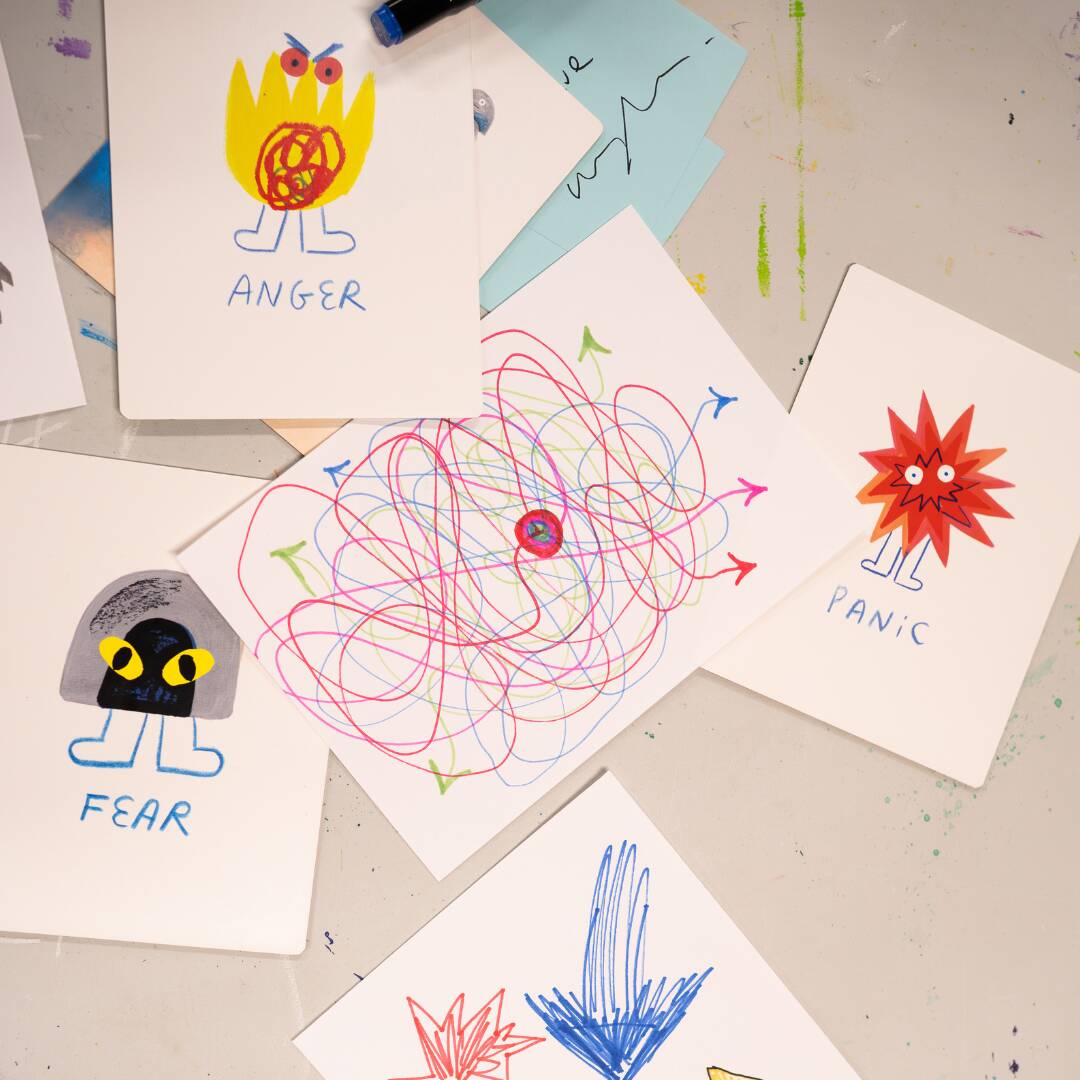
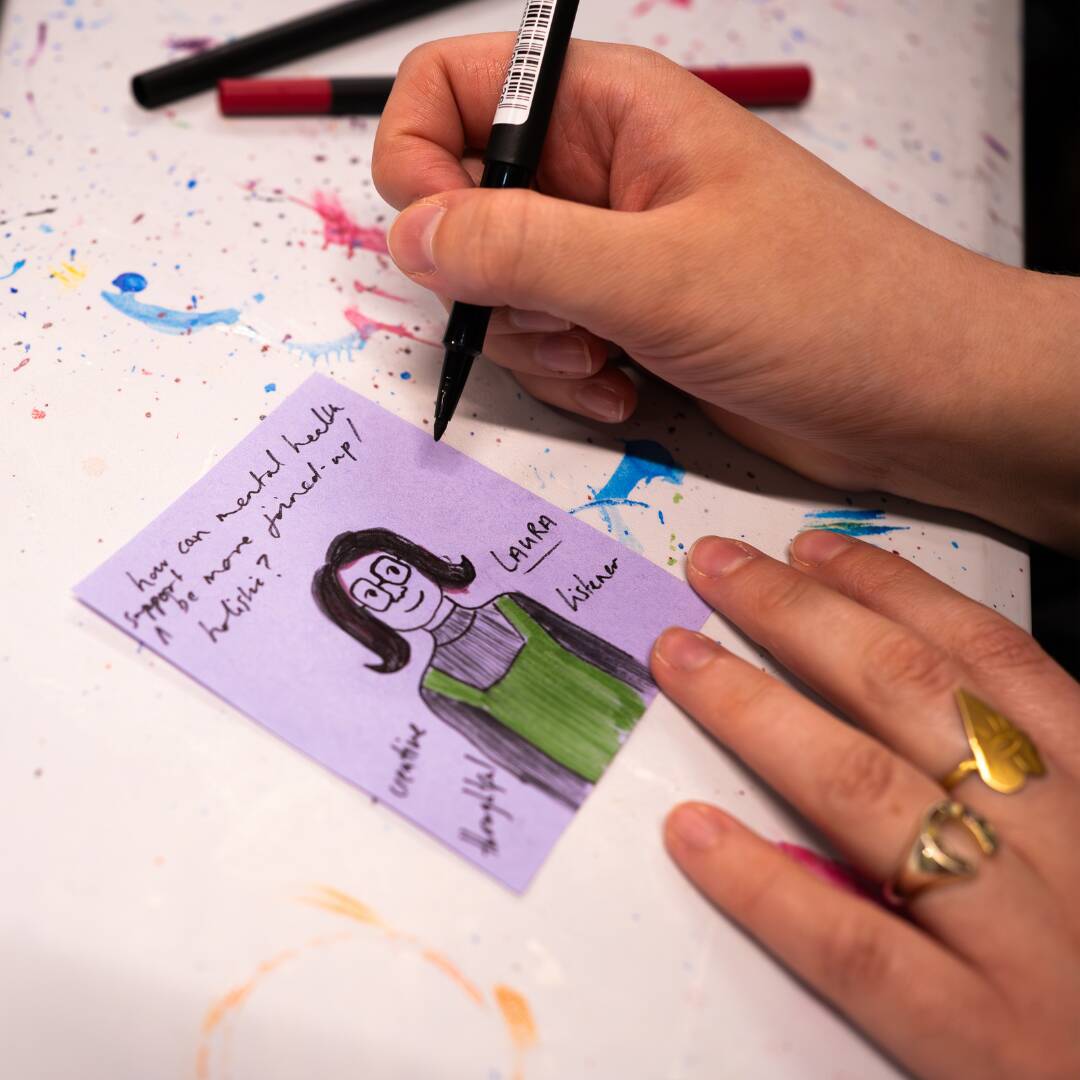
Our morning at Feeling Strong continued with hearing from Rebecca Horner and Calum Rennie from Comics Youth SCIO, a charity supporting young people’s confidence and creativity through comic-making. First we doodled self-portraits, listing three words to describe ourselves – I wrote ‘crafty, reflective and effervescent’ – and a question we were bringing forward to the Fabric journey. My question was centred around reflecting on how art and creativity can help to support us during difficult times, and through the next exercise with Rebecca and Calum, we explored how to visually express emotions with coloured marker pens and a pack of ‘Feelings Flash Cards.’ I depicted the feeling of hope, and together we shared reflections of our personal relationships to other emotions like fear, empathy, the blues and even the feeling of getting the giggles.
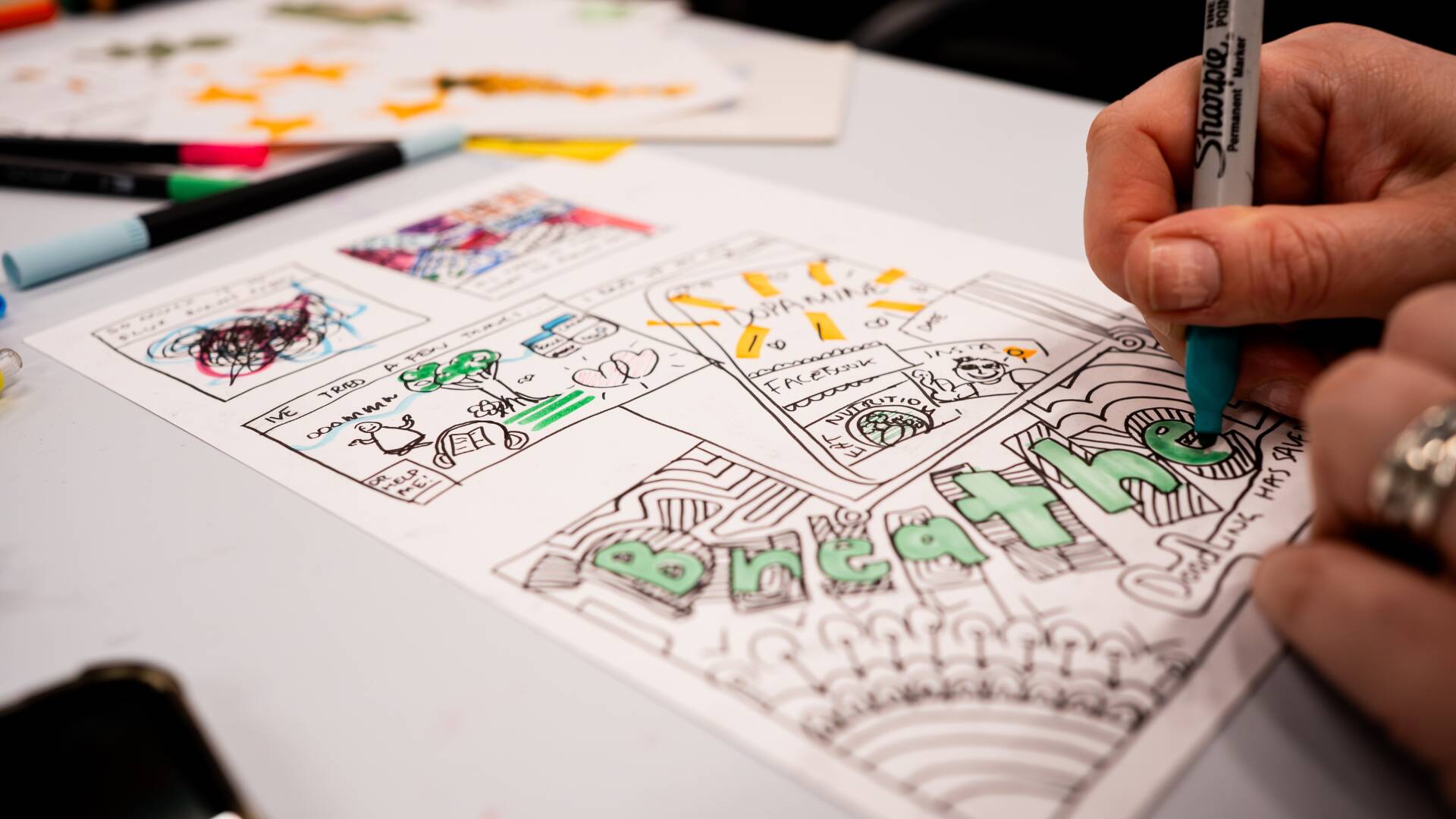
The session continued by expanding our drawings into one-page comics where we illustrated a time where creativity helped us to navigate an emotion. While we drew there was a mix of discussion about the challenge of expressing yourself through the medium of comics but also about how enjoyable it is to sit and colour with marker pens.
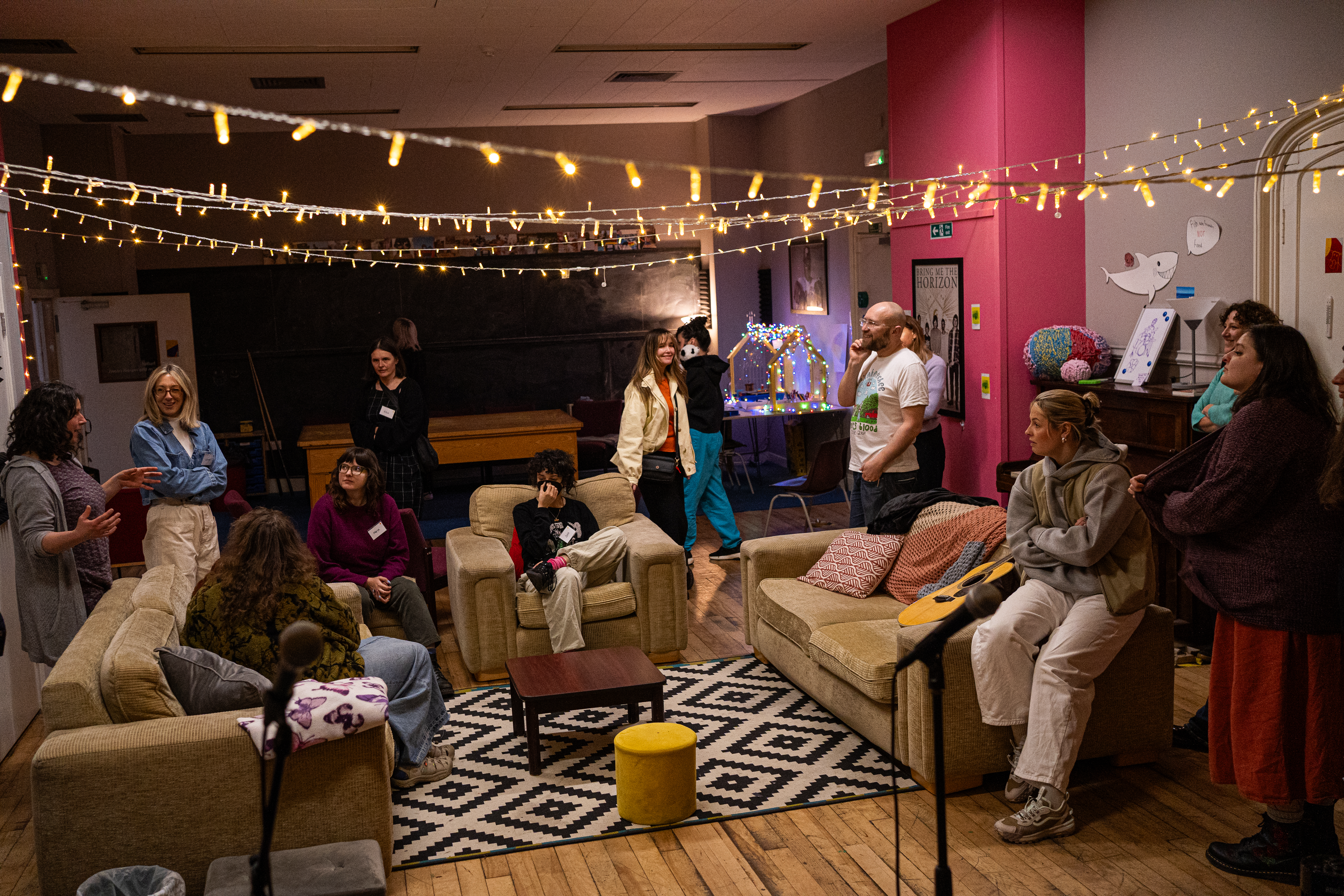
Lunchtime gave us the opportunity to connect with each other, with Claire encouraging conversation around spoon theory – a concept that describes how we manage energy levels. Spoon theory was established as a way for people with chronic illness, pain or disability to describe how they manage their energy resources, and over delicious food we spoke broadly about what drains us, what replenishes us and also what we can do to support each other.
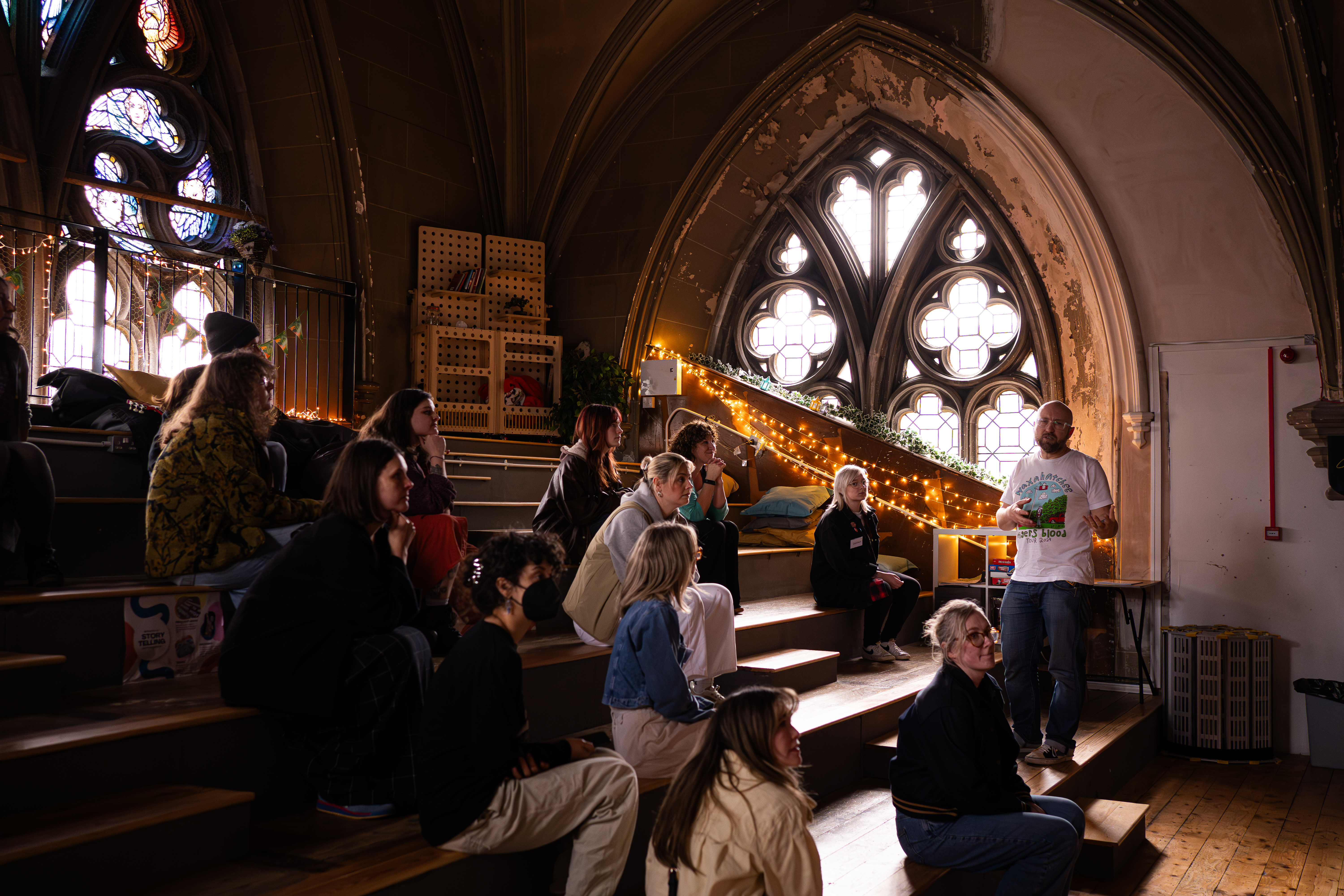
We were then welcomed by Andy Robertson to Hot Chocolate Trust – a youth work organisation that provides a community and space to the young people in Dundee’s city centre. We gained an understanding of the importance of the space through a fantastic short video where young people described Hot Chocolate in their own words, where descriptors such as ‘inclusive,’ ‘cozy,’ ‘family,’ and ‘bodacious’ were the highlights.
Following on from witnessing the support for young people, clinical psychologist (and fellow Fabric cohort member) Lucy Paterson introduced us to her work in Cognitive Analytic Therapy (CAT) and Internal Family Systems (IFS), and how she is supporting the staff at Hot Chocolate Trust. We explored the use of models in CAT and IFS, looking at the rules and boundaries present within wider systems and dynamics in place via a dance floor metaphor. Lucy suggested that by looking deeper at or disrupting behaviours or rules – like changing the music or using different dance moves – we can create a ripple effect of wider change across a large scale.
The next exercise involved mapping out on paper how we view ourselves and our internal worlds as the floors of a house. With each room or level we explored different parts of the self, representing your interpersonal or public-facing identity as the living room and your intrapersonal world as the more intimate upstairs space. The attic was used to explore the self you are aspiring towards and was contrasted with the parts of ourselves we dislike and would rather keep hidden in the basement. Lucy encouraged us to approach this self-reflection with the IFS idea of ‘No Bad Parts’ and invite each element around the kitchen table, embracing each room of your house as a part of who you are.
I later reflected on the experience with a couple of other Fabric participants, sharing how we each view ourselves and how it differs to how we see each other. I think the approach of ‘No Bad Parts’ really helps us to be kind and considerate. If we choose to accept the parts of ourselves we view as undesirable or unhealthy with curiosity and compassion, we can be more empathetic and understanding towards others. Lucy’s ideas not only resonated with me personally but also when considering my role as a creative practitioner. When working with varied groups and individuals, the only way to make people feel safe is to accept them as they are, and remember that we all have our own living rooms, upstairs, attics and basements within.
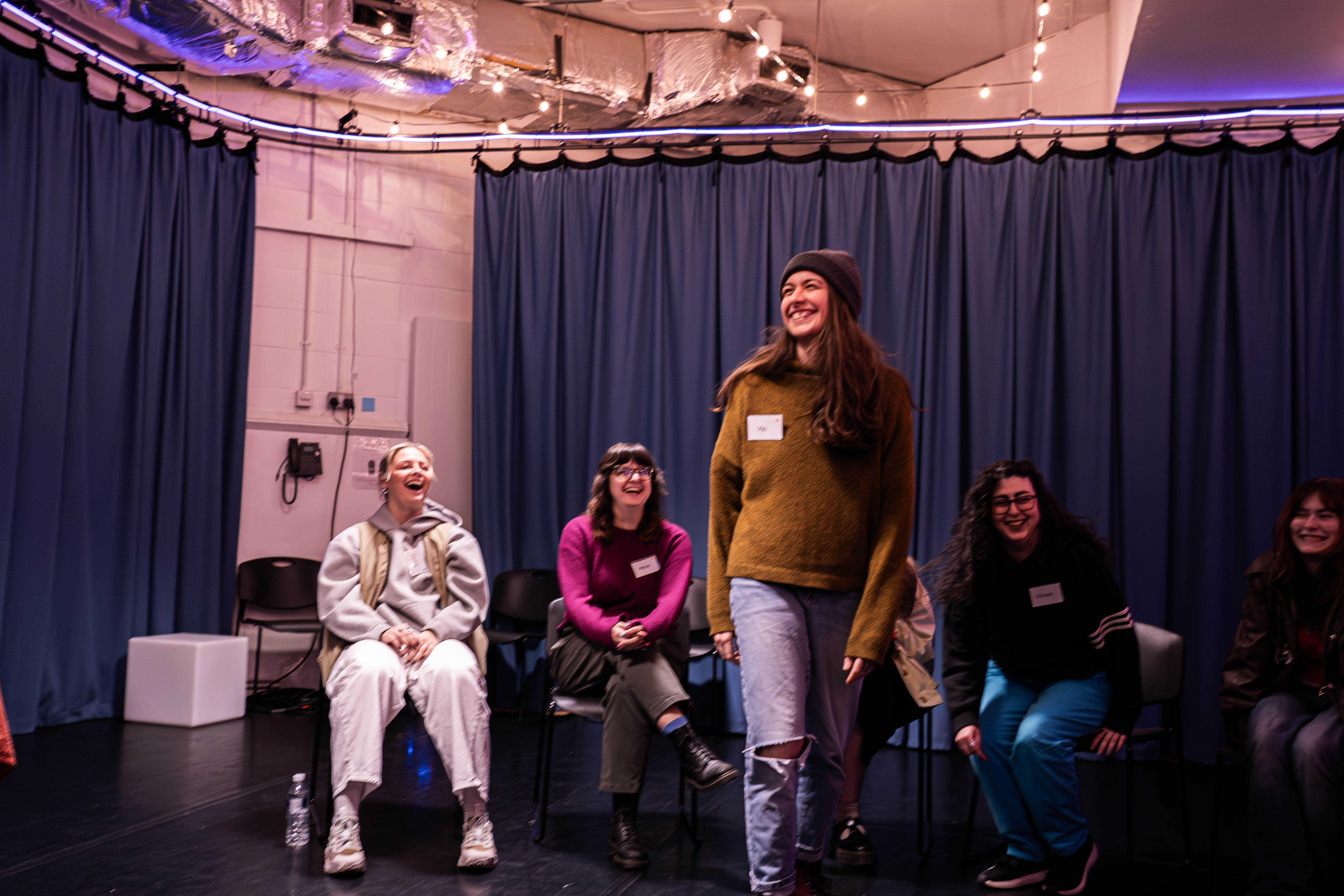
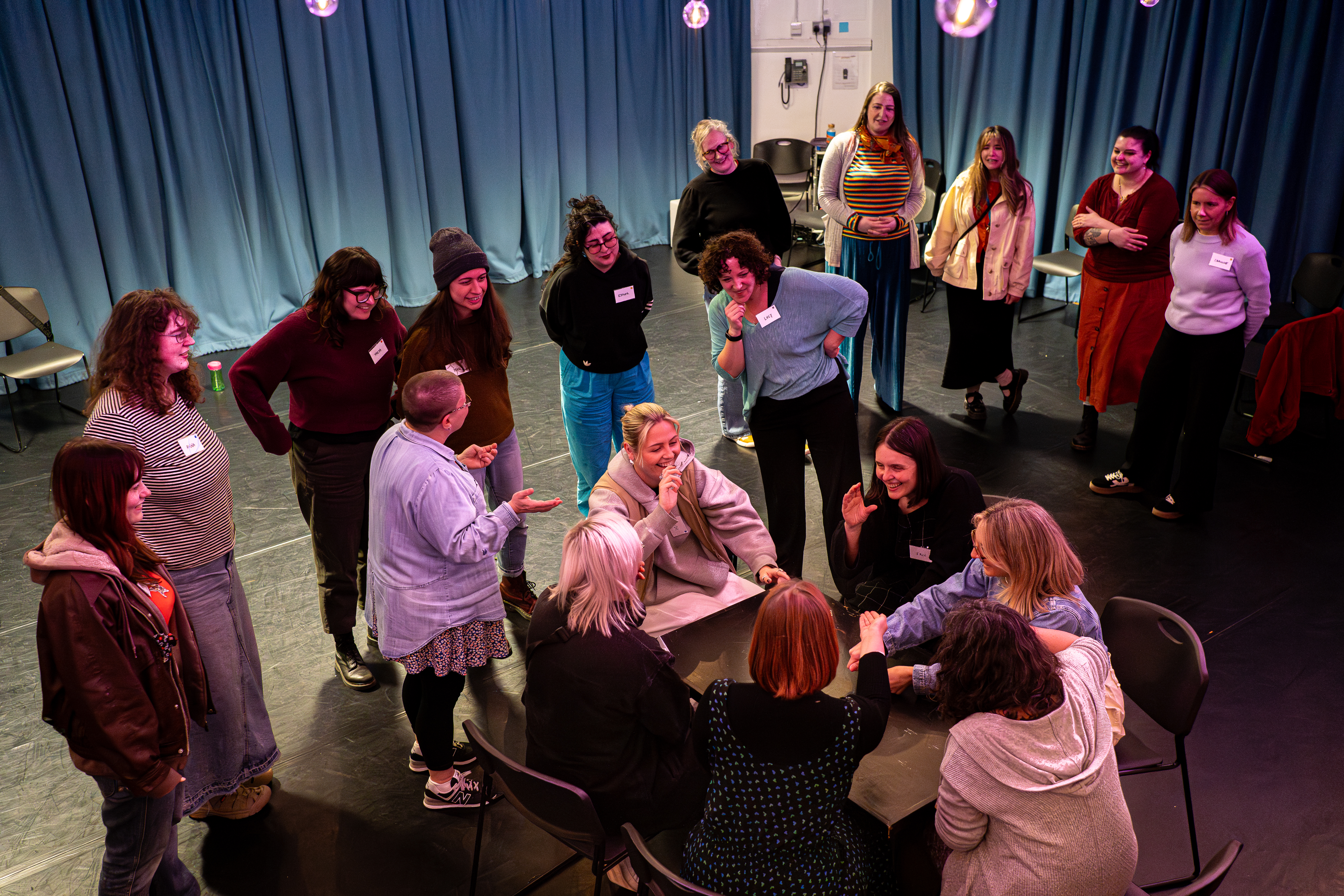
We finished the day with a playful introduction to drama therapy from Amanda Lowson, a Creative Practitioner at Dundee Rep. Amanda explained how her different roles at Dundee Rep have changed in her over thirty-year career and how the drama therapy service is helping others to support their mental health and wellbeing through drama and movement.
The activities varied from a lively game similar to musical chairs to a charades-esque exercise where we worked in small groups to mime different ideas. I enjoyed how Amanda kept the session light-hearted and fun but also encouraged us to open up in a way that felt natural and share ideas about what makes us feel like we belong. As someone who is more reserved, I initially felt nervous to participate in a drama activity, but through Amanda’s inclusive approach I felt like I got to know the Fabric group better and see firsthand how drama therapy can help myself and others with confidence and self-expression.
The first day of Fabric has been a really valuable experience where I’ve learned a lot about different approaches we can take towards mental health for ourselves and others. It’s been great to see the role creativity can play in enhancing wellbeing and the ways in which organisations and practitioners are building systems and services that support young people in Dundee. I am excited to take each perspective and foster collaboration and connection within the Fabric cohort in future sessions and in my own projects beyond!
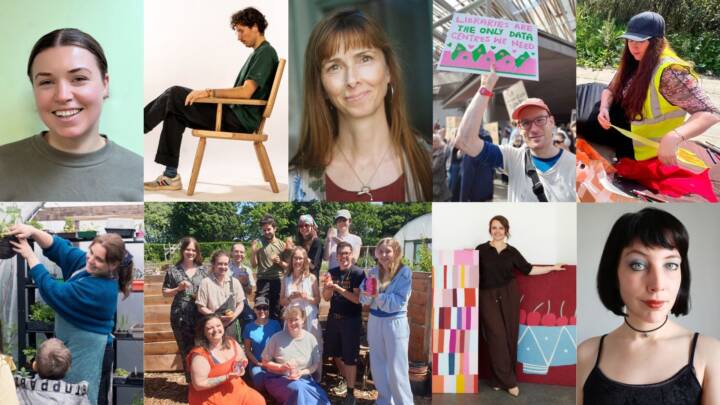
Anna Rooney is a visual artist working primarily in textiles, drawing and painting. After graduating with a degree in Textile Design in 2024 from DJCAD, her practice has formed to reflect a search for connection, solace and belonging within the natural world as she captures its cycles of growth and decay. Alongside her studio practice, she delivers art and nature based workshops around Dundee with a particular focus on wellbeing and mental health.
Lucy Paterson is a clinical psychologist in Dundee, with a particular interest in patterns, relationships and how people are connected to and supported by the systems around them. She’s excited to step into a space where we can think together — creatively and collaboratively — about what care for young people in Dundee could be.
Sara Oussaiden is an artist, researcher and community practitioner based between Dundee and the Isle of Skye. Awarded the NHS Tayside Star Award in 2025 for volunteering as an art tutor in Dudhope’s Young People’s Psychiatric Unit, she works across community and learning contexts, using creative practice to support confidence and connection in youth communities.
Michael Richardson is a Mental Health Engagement Worker at Dundee Volunteer & Voluntary Action. He aims to amplify lived experience voices across Dundee and work to ensure they are heard at a strategic level. Outside of work, he is very involved in the local running community, and is often found visiting local cinemas.
Caitlin Gibson is a Literature and Film Studies graduate who is interested in using storytelling mediums to explore identity, and as a tool for the expression of complex emotions, not only for the creators, but for the consumers through analysis and discussion. She wants people to feel empowered to challenge social expectations of themselves and not get trapped by the traditional ‘markers of age’. She’d love to incorporate these ideas into community based action.
Mel Kalkan is a visual artist interested in exploring playful approaches to practice self-expression, connection, wellbeing, and care — particularly in a community context. She’s so looking forward to joining the Fabric cohort to learn more about the amazing things happening in our city and beyond.
Kara Ramsay is passionate about creative approaches to care, communication and community. She’s really looking forward to connecting with others, learning from different perspectives, and exploring how creativity can shape safer, more supportive spaces for young people.
Laura Moorhouse is a disabled arts worker. Her practice explores rest, care, and creative/complicated accessibility. As an emerging artist, she’s learning to prioritise flexible, comfortable ways of making.
Eilidh Macleod is an advocate for people and creativity, working across the city as both a youth worker and a designer at V&A Dundee. Her practice brings together design thinking and human-centered approaches to better understand and respond to complex, interconnected challenges. She’s particularly passionate about empowering young people through craft and supporting the development of thriving, resilient communities.
Lauren is a community artist, designer, storyteller and project coordinator with 20+ years experience in creative education, youth work and both narrative and documentary filmmaking. Let’s make something amazing happen!
Ben Douglas is a Creative & Digital youth worker at YOUth Space Fife, with a background in documentary, street and event photography. He believes that nosiness is a skill and his practice is built on the ethos of the participant leading from the front. Everyone is creative and should be able to express themselves. I see it as my job to make sure young people know this and are given the best environment to explore that creativity.
Caishnah Nevans is a visual artist inspired by music and works around the ways in which creativity and music can impact mental health. Having explored these in her own projects with mental health charities in Glasgow she is looking forward to exploring them further in Dundee.
Erin McGrath makes comics as a way to reflect on and tell personal stories. Her practice is informed by her experience as a psychotherapeutic counsellor and she’s interested in developing a collective voice within my work.
Esther Farrell supports young people with their mental health and other complex needs, helping them build relationships and confidence in their lives and abilities in her role as Senior Youth Worker (Complex Needs) at Hot Chocolate Trust. She is passionate about amplifying young people’s voices and using creativity as a tool to connect and empower young people in our community.
Quintana Beattie is an aspiring designer who likes helping and supporting others. I enjoy working with textures and mixed media for an interesting and unique approach.
Paige Wood is an artist originally from Glasgow who has lived in Dundee for around six years. After graduating from DJCAD, she developed a strong passion for supporting young people in Dundee, helping them grow and feel supported in whatever way works best for them. She is excited to take part in Fabric, further develop her knowledge, and share her experiences with others.
Kirstie Small is a Textile artist inspired by learning practical skills and developing personal creativity and learning through Art and Design. She has explored subjects such as multicultural Scotland, Garden futures through creation of textiles and has been looking into Art and Design teaching and prioritising craft and Art in schools with my contextual studies.
Sofía Calmeiro-Arguello is a 2nd year art & philosophy student organiser at DJCAD and young person of colour from Dundee, seeking to develop their understanding of how art can effectively sustain us and benefit our communities – a practice they’re learning from working-class, QTBIPOC writers, organisers and world-makers. They believe when we have been dehumanised, creating a space that allows us to humanise each other is incredibly powerful. It is a power that can sustain the building of a liberated world and healthy planet, which is so important for our wellbeing and future. They’re excited to meet and learn from people who are finding ways to make that difference in Dundee.
Laura Cooney’s work focuses on improving young people’s wellbeing and helping make mental health support meaningful and accessible. She enjoys using creativity to communicate ideas, connect with young people, and support them to thrive.
Kate Smith works in the Participation and Communities Team at the Scottish Parliament, helping ensure diverse voices and lived experience inform decision-making. Originally trained in visual art, she later worked in volunteering, employability, and community development. Kate is passionate about democratic rights, equality, and inclusion.
Caroline Kingston has a third-sector background and just joined the Scottish Parliament’s Participation and Communities Team. She has extensive experience in advocacy, supporting individuals detained under the Mental Health Act and helping people with learning disabilities engage in law and policy development to realise their human rights.
Freya Barcroft is part of the Creative Dundee team, leading their digital work and spotlighting the creativity that shapes Dundee. With a background in literature and children’s publishing, she is particularly passionate about young people’s access to art and creative spaces, and is a firm believer in the life-changing power of storytelling.
Fabric is led by Creative Dundee, and delivered in partnership with healthcare, community and creative organisations, with support from the Participation and Communities Team at The Scottish Parliament, as part of Creative Minds – a creative youth mental health project designed by Creative Dundee with project funding from NHS Tayside Charitable Foundation and The Northwood Charitable Trust.
Read the other blogs from across this Fabric journey: Day 2, Day 3, Day 4.

If you would like to support us in creating even better content, please consider joining or supporting our Amps Community.