21.07.26
We’re delighted to be continuing the Fabric journey – an informal peer-learning programme designed to share, reflect and imagine how collective action can shape a better tomorrow. Bringing together young people, creative practitioners, and youth and health workers, Fabric: Creating Care explored how creativity, care and systems that currently support young people can be stronger, better shaped and more hopeful in Dundee.
In this blog, Kara Ramsay takes us through the fourth session, ‘Imagining What’s Possible’, and reflects on the group’s field trip to Edinburgh, including sharing youth-led recommendations with MSPs and exploring care-led tech with Civic Digits.
There’s something special about a project that doesn’t just reconnect you with new ideas but reawakens parts of you that had gone quiet. From the start, Fabric encouraged us to imagine boldly, collaborate openly, and recognise the power we hold when we work together. That spirit carried right through to our final field trip to Edinburgh, which felt like both a celebration and a call to action.
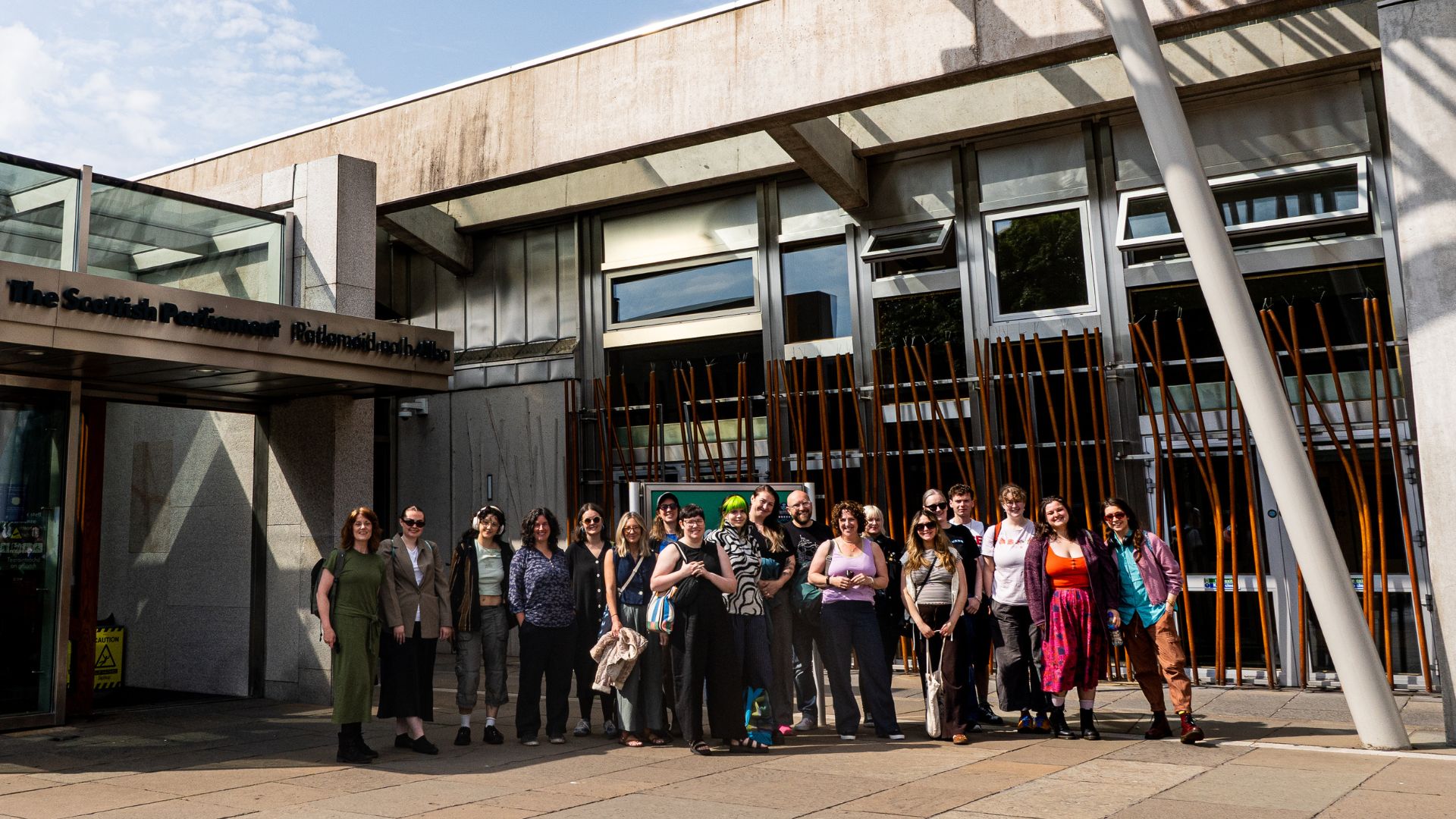
Stepping off the bus at the Scottish Parliament, there was a real feeling of significance. The guided tour gave us a deeper understanding of how the Parliament was built — not just architecturally, but democratically. Hearing about its formation reminded me that institutions are shaped by people, and people can reshape them too. That idea sat with me all day.
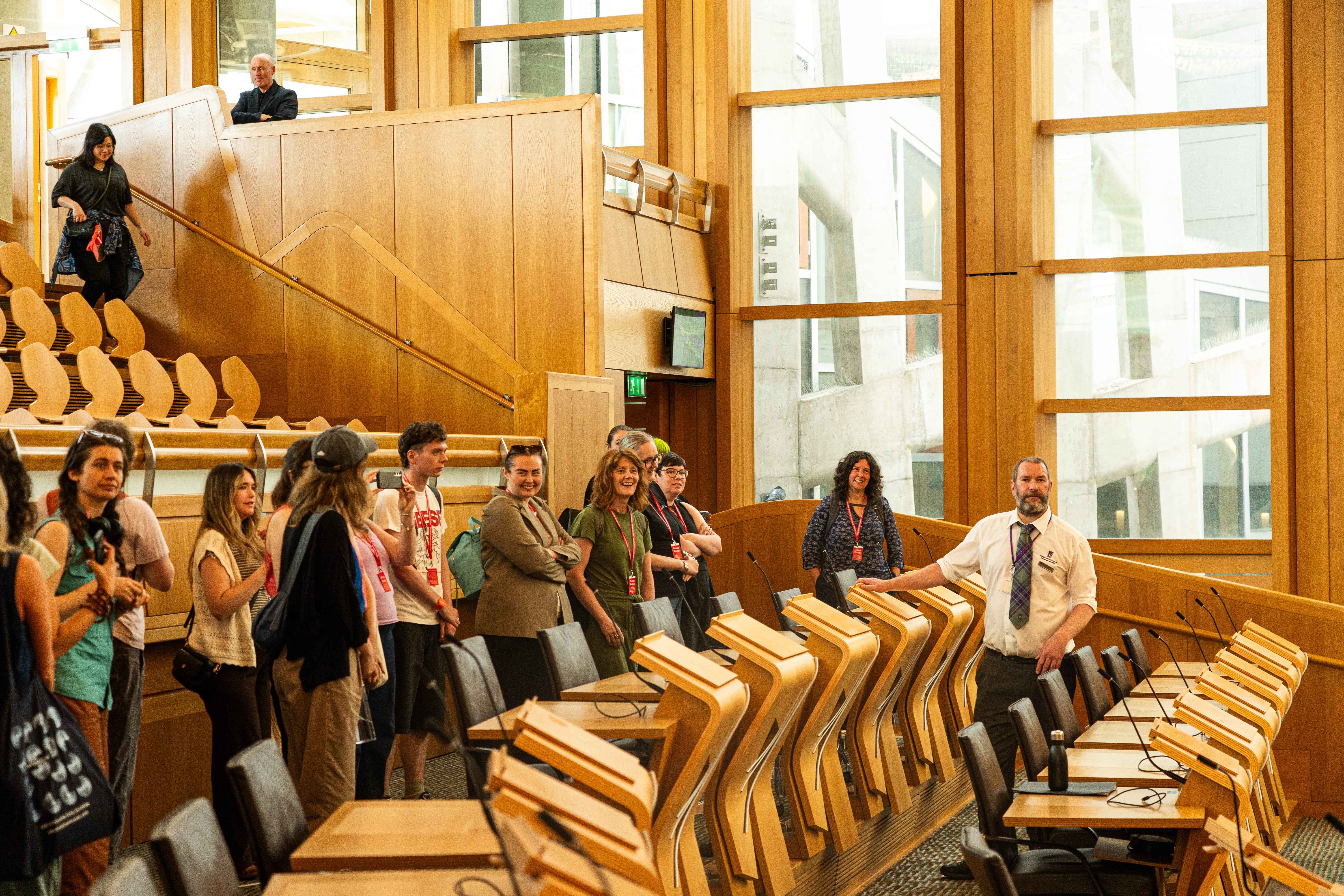
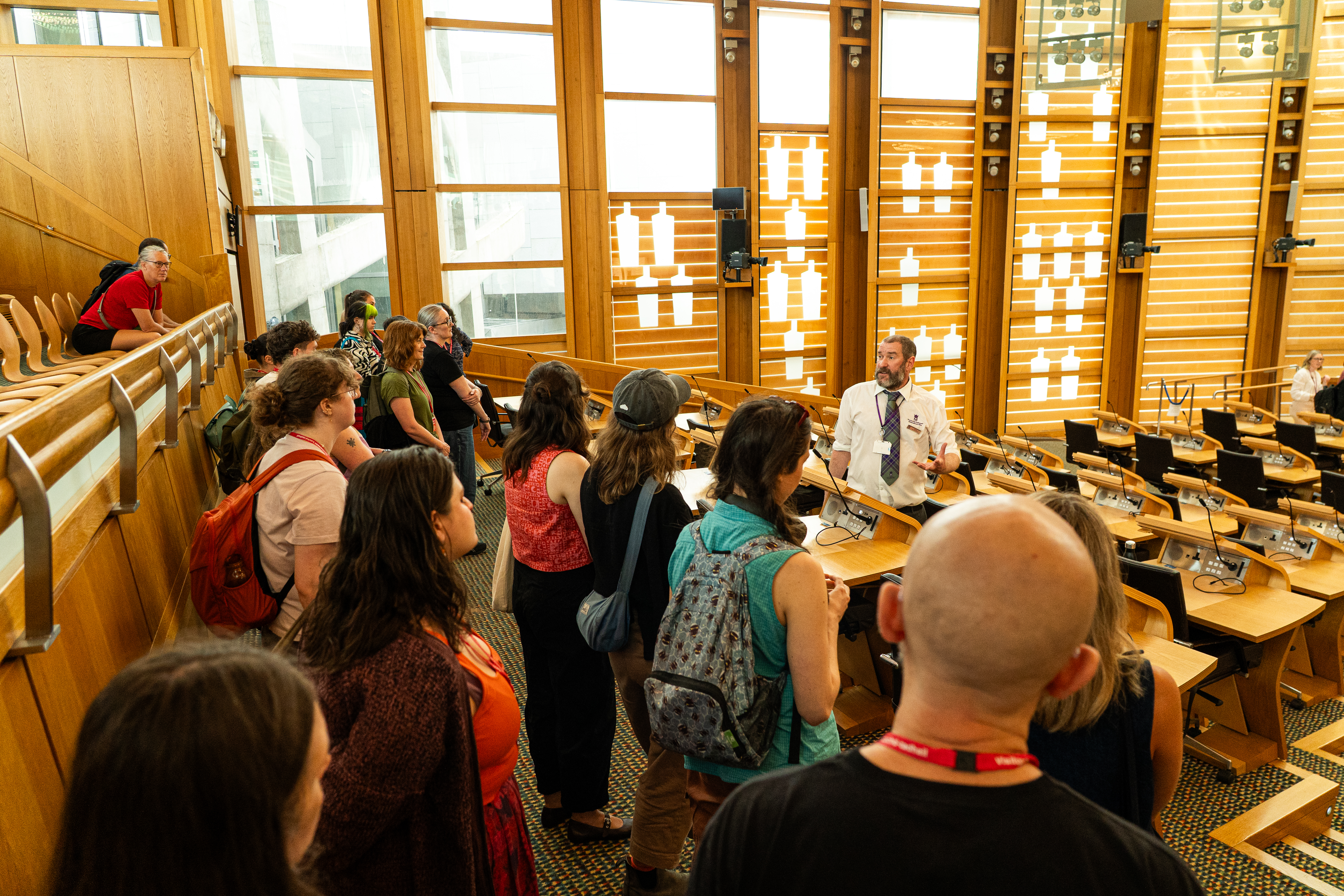
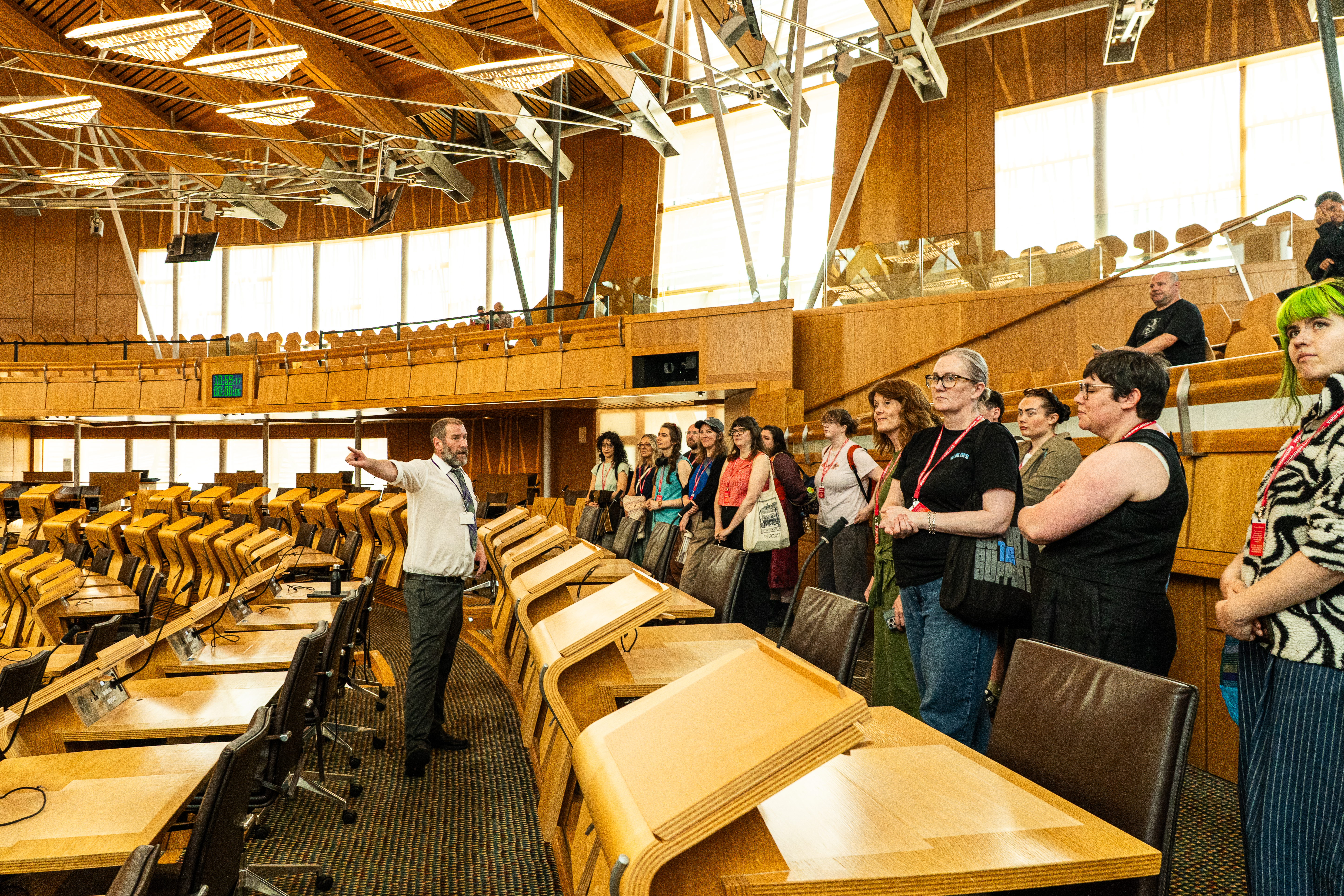
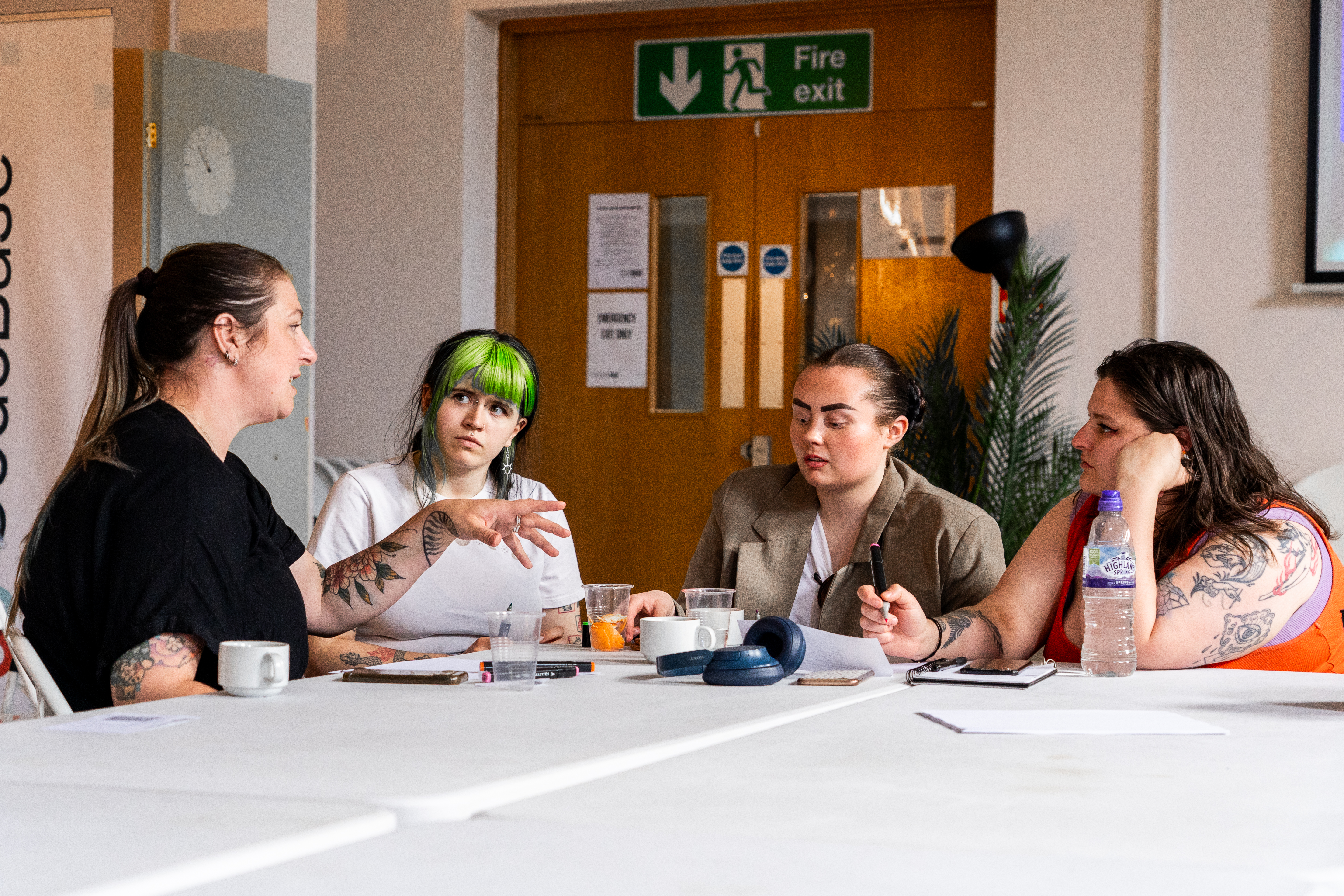
Our morning reflections as a group helped ground us in everything we’d explored throughout the programme. It was a moment to pause and recognise how far we’d come — not just as individuals, but as a collective. I was part of the Advocacy group, which became one of the most meaningful parts of the whole Fabric journey for me.
In the previous session, we explored several key themes — Justice & Respect, Advocacy (by and for young people), Joined-up Care, Prevention & Education and Access to Services — and each of us chose the area we felt most connected to. I chose advocacy, specifically advocacy for and by young people, because it felt like the thread that tied everything together. We spent time crafting recommendations around these themes, thinking about what young people need, what barriers exist, and what meaningful change could look like. Advocacy felt like the place where all of that came together.
As a group, we explored the importance of safe, inclusive spaces like Feeling Strong and Hot Chocolate Trust — places that don’t just support young people but protect them. Our recommendation to Parliament centred on the need for greater awareness and access to these spaces, because belonging shouldn’t be a privilege, it should be a given.
What struck me most was how deeply everyone cared. We weren’t just talking about services, we were talking about people’s lives, their sense of purpose, their right to be heard. It made me realise how powerful youth-led advocacy can be when it’s rooted in lived experience and genuine compassion.
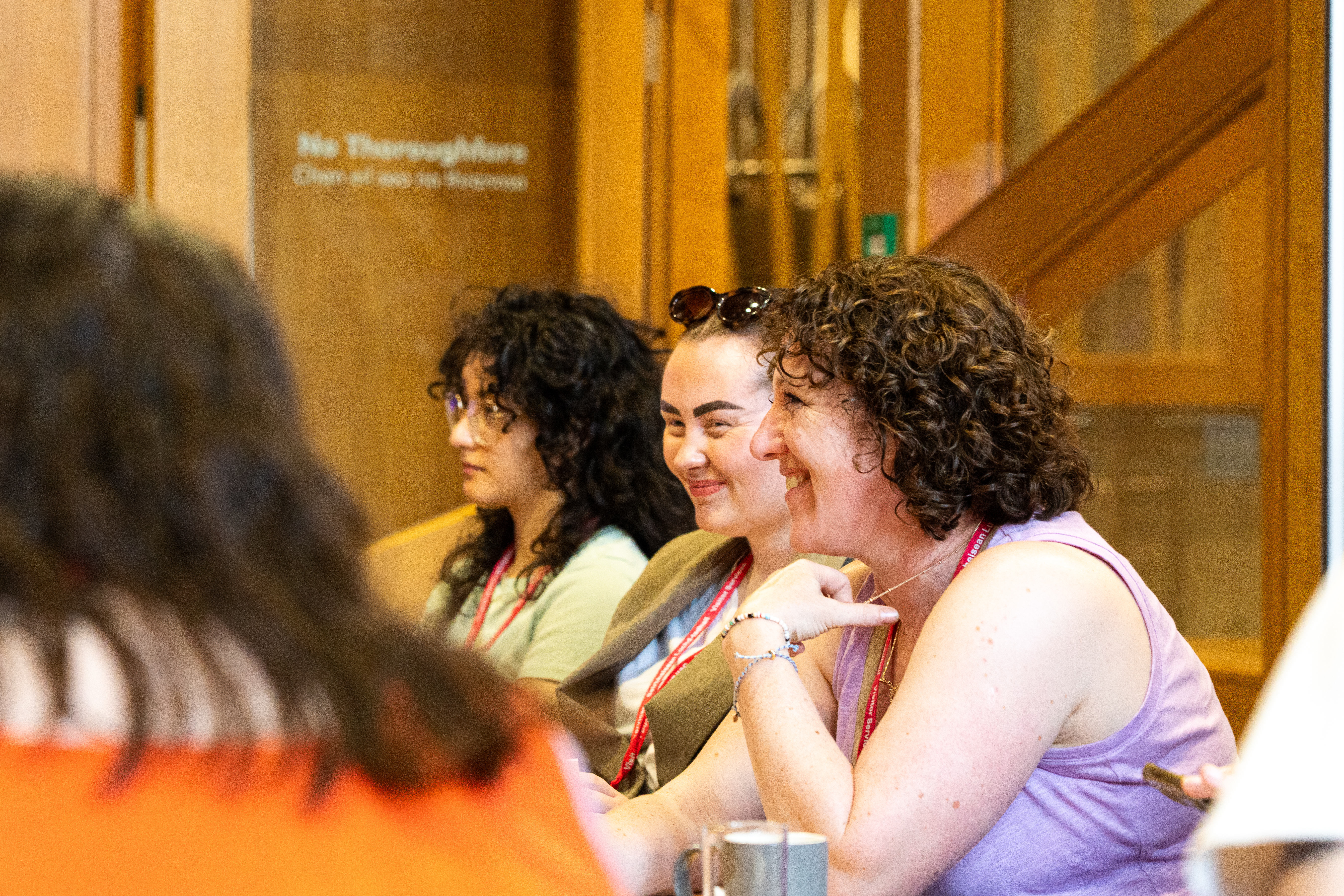
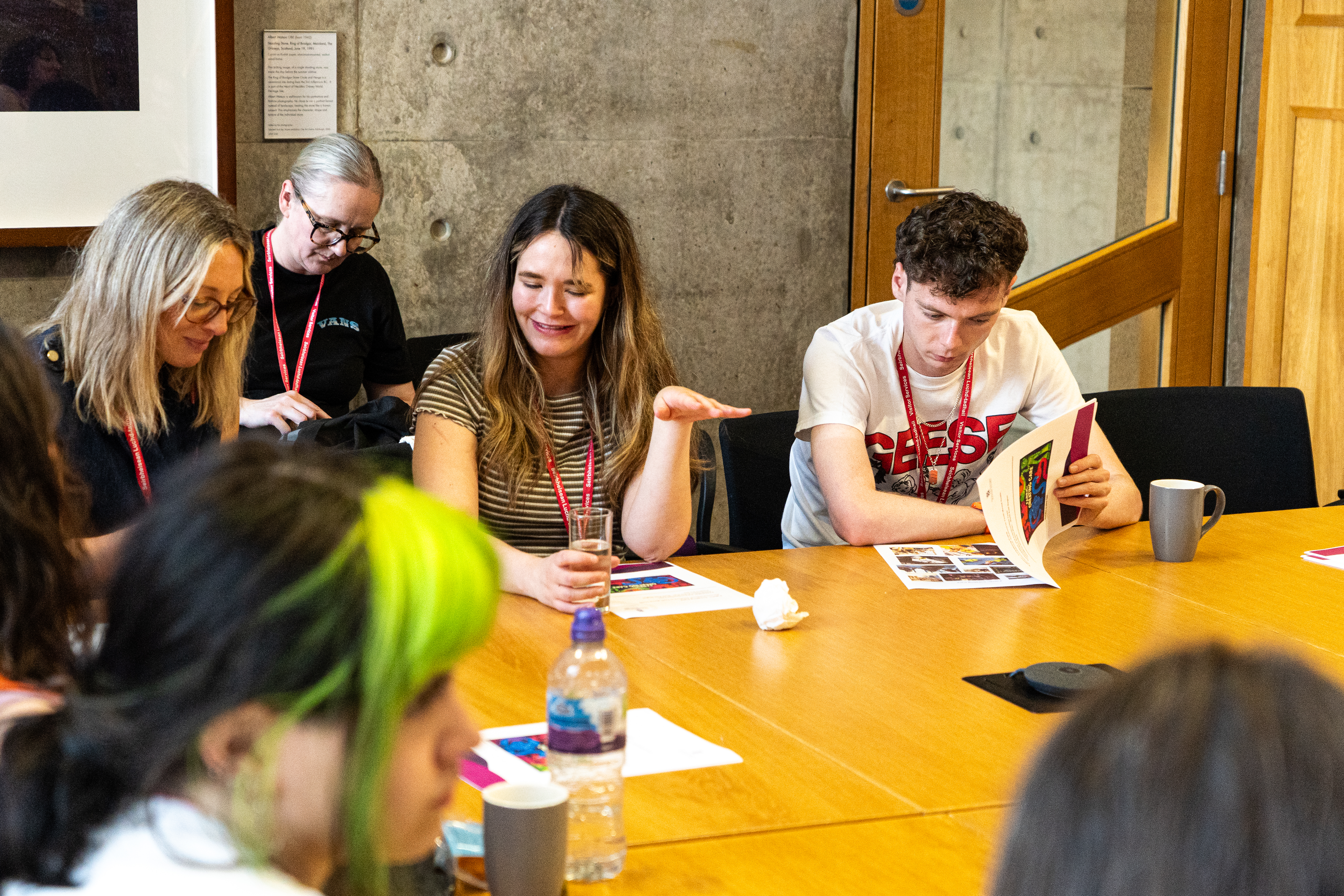
The engagement session with MSPs was a highlight. It wasn’t intimidating the way politics can sometimes feel. Instead, it felt like we were being invited into the conversation — not as token young people, but as contributors with real insight.
Hearing from Sara Oussaiden and Laura Cooney was inspiring. Sara spoke about the importance of persistence — how change often comes from people who keep showing up, even when it feels slow. Laura shared powerful reflections on advocacy within CAMHS, where she works. She talked about how young people often struggle to access mental health support, and how advocacy inside institutions like CAMHS is essential for making sure their needs aren’t overlooked. What stood out to me was her emphasis on young people being active participants in shaping their own care, not just recipients of it.
She also spoke about her own experience in Fabric — how being part of a youth-led, creative space reminded her of the importance of listening deeply and making room for young people’s ideas. Hearing her connect her professional work with her Fabric journey made the conversation feel grounded and real.
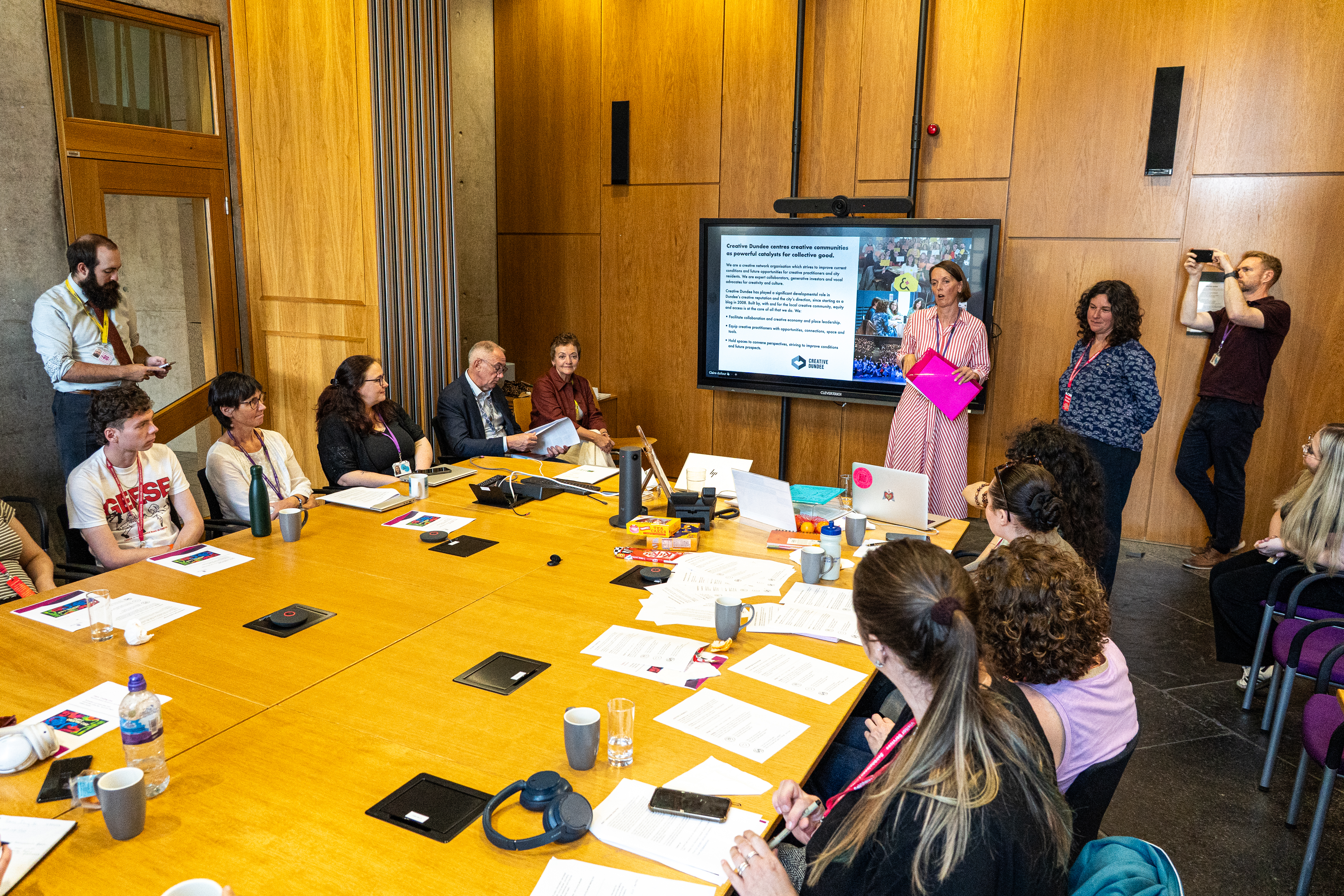
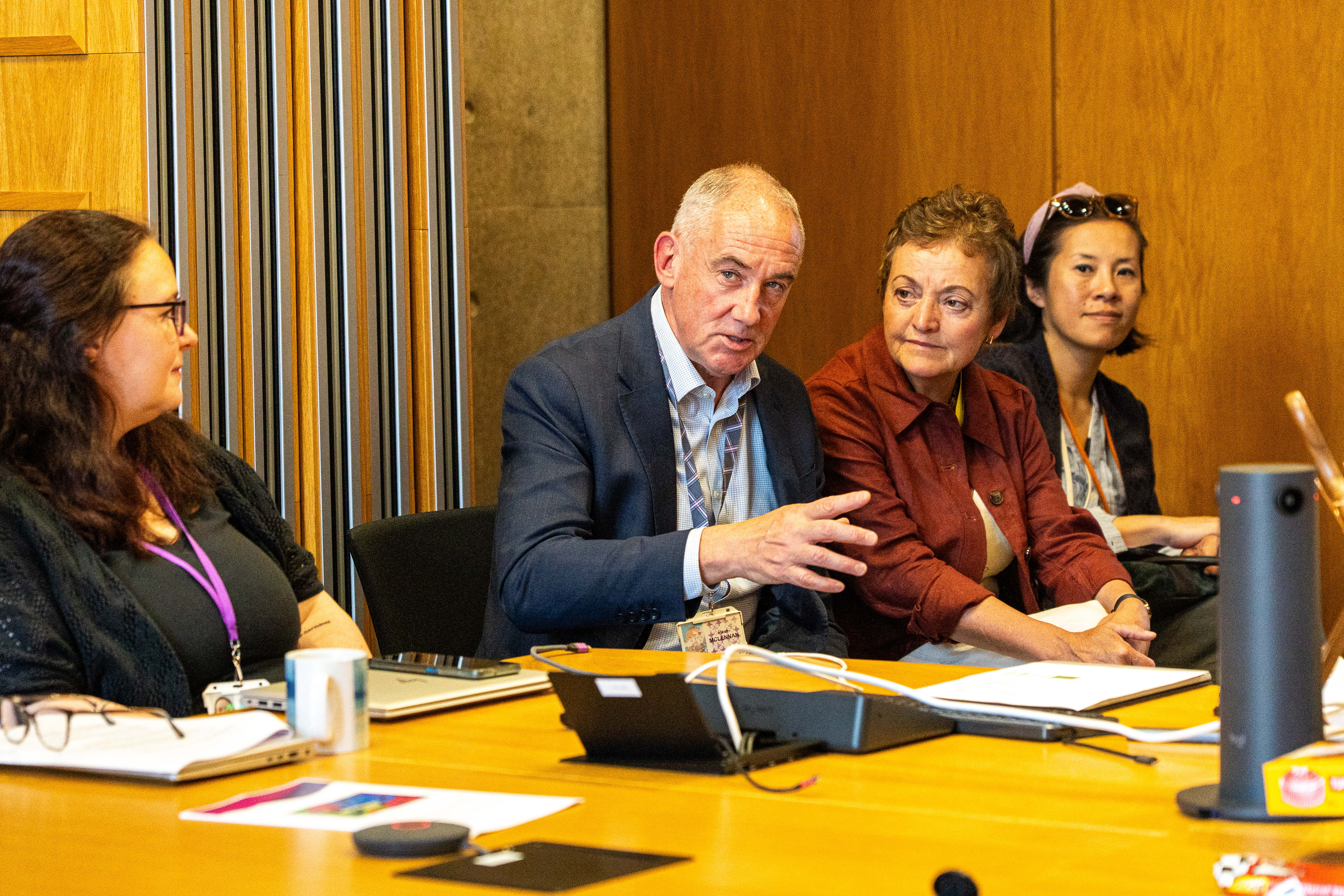
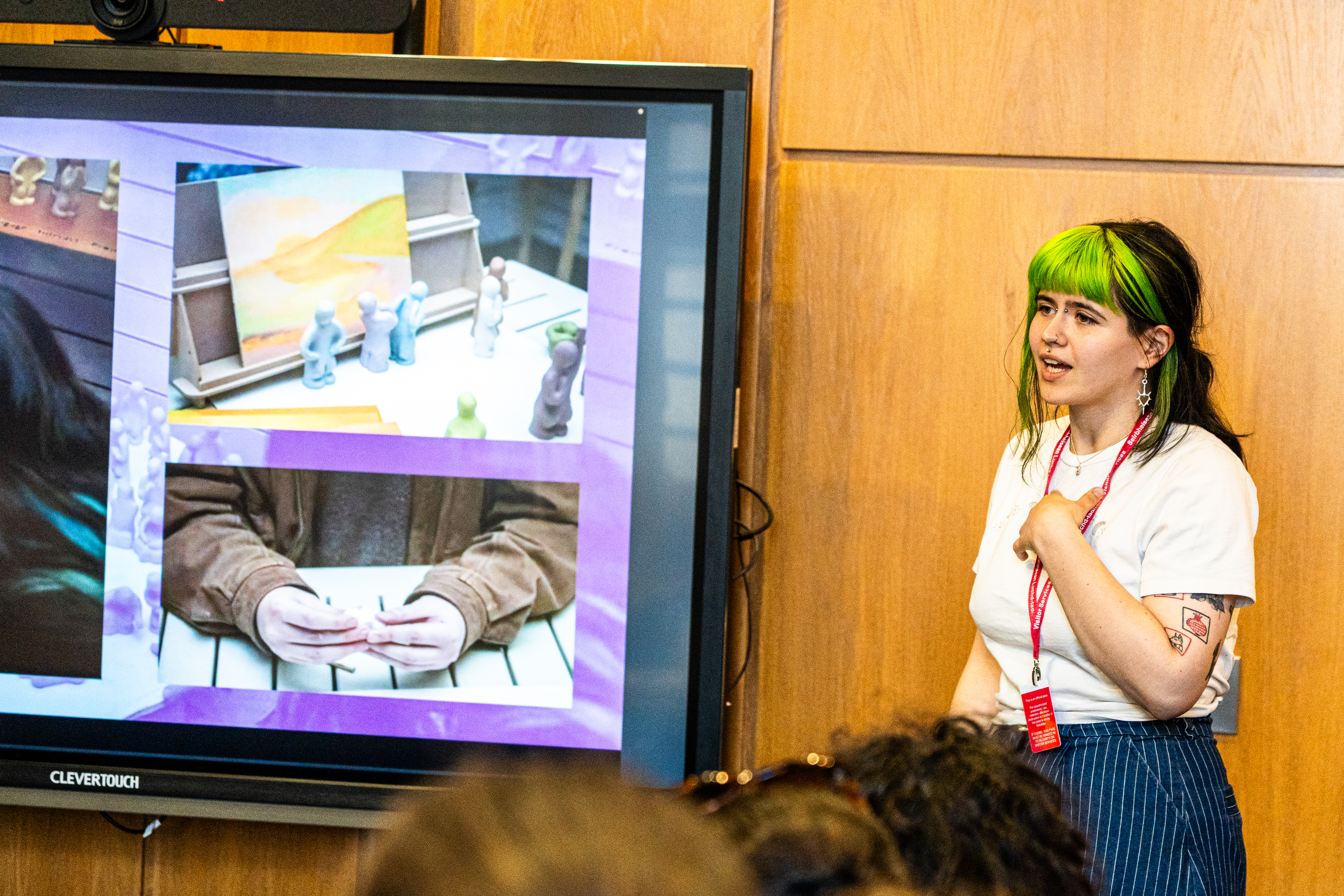
Afterwards, the MSPs reflected on our recommendations, and a couple of things stood out to me; they emphasised how crucial youth voice is in shaping policy that actually works; they acknowledged gaps in awareness around youth spaces and said they wanted to explore how these could be better supported. It felt meaningful to hear that our ideas weren’t just listened to, they were taken seriously.
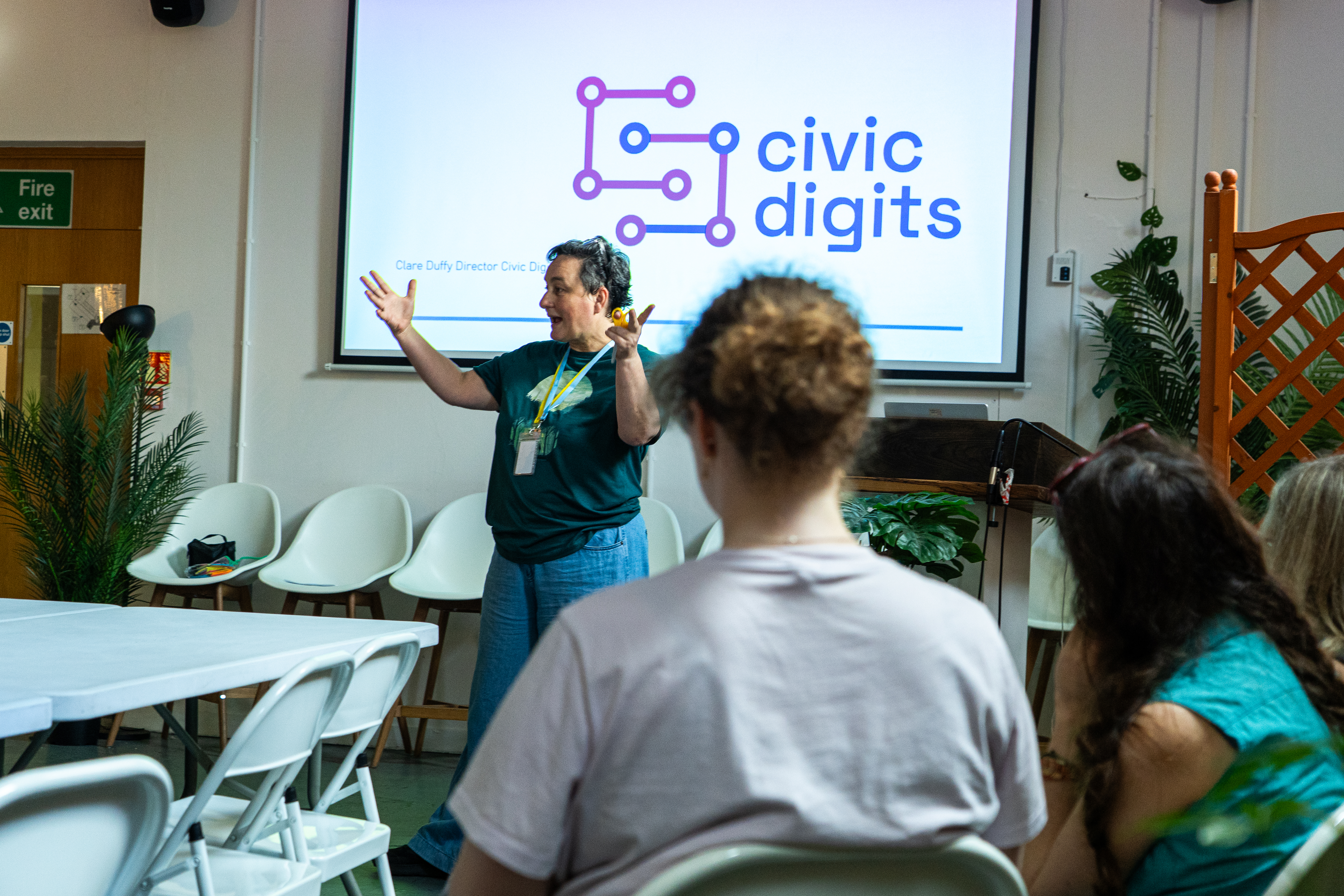
The afternoon at CodeBase with Clare Duffy from Civic Digits was a perfect way to round off the day. Learning about projects like The Big Data Show and Hack Your Age showed how creativity and technology can work together to support youth mental health in ethical, imaginative ways.
The way Civic Digits uses storytelling and performance to make digital issues feel human and relatable really stood out to me, alongside their commitments to co-designing with young people, and making sure youth voices shape their work from the beginning, rather than being added at the end. What they’re utilising and exploring is not just tech — it’s tech with heart.
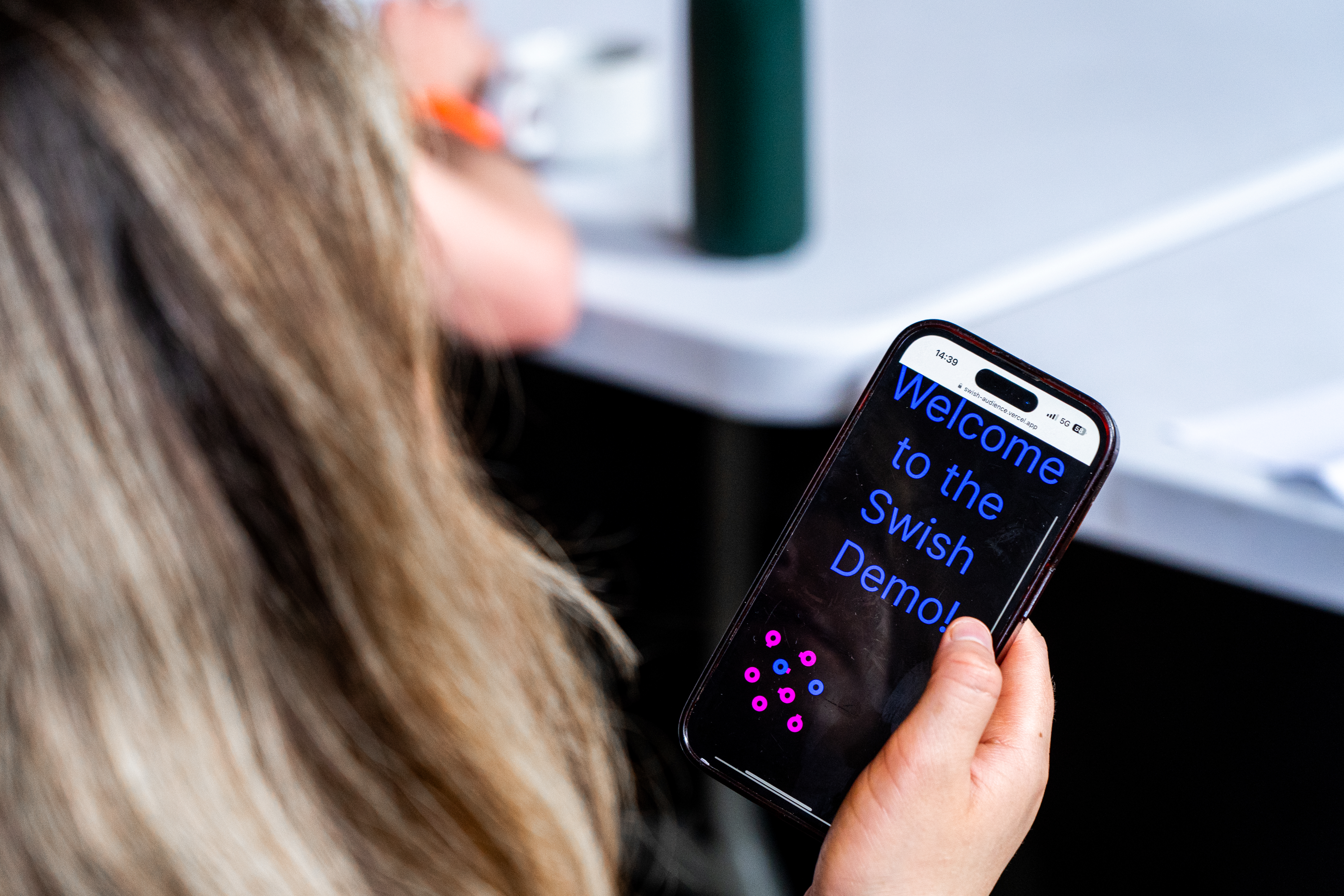
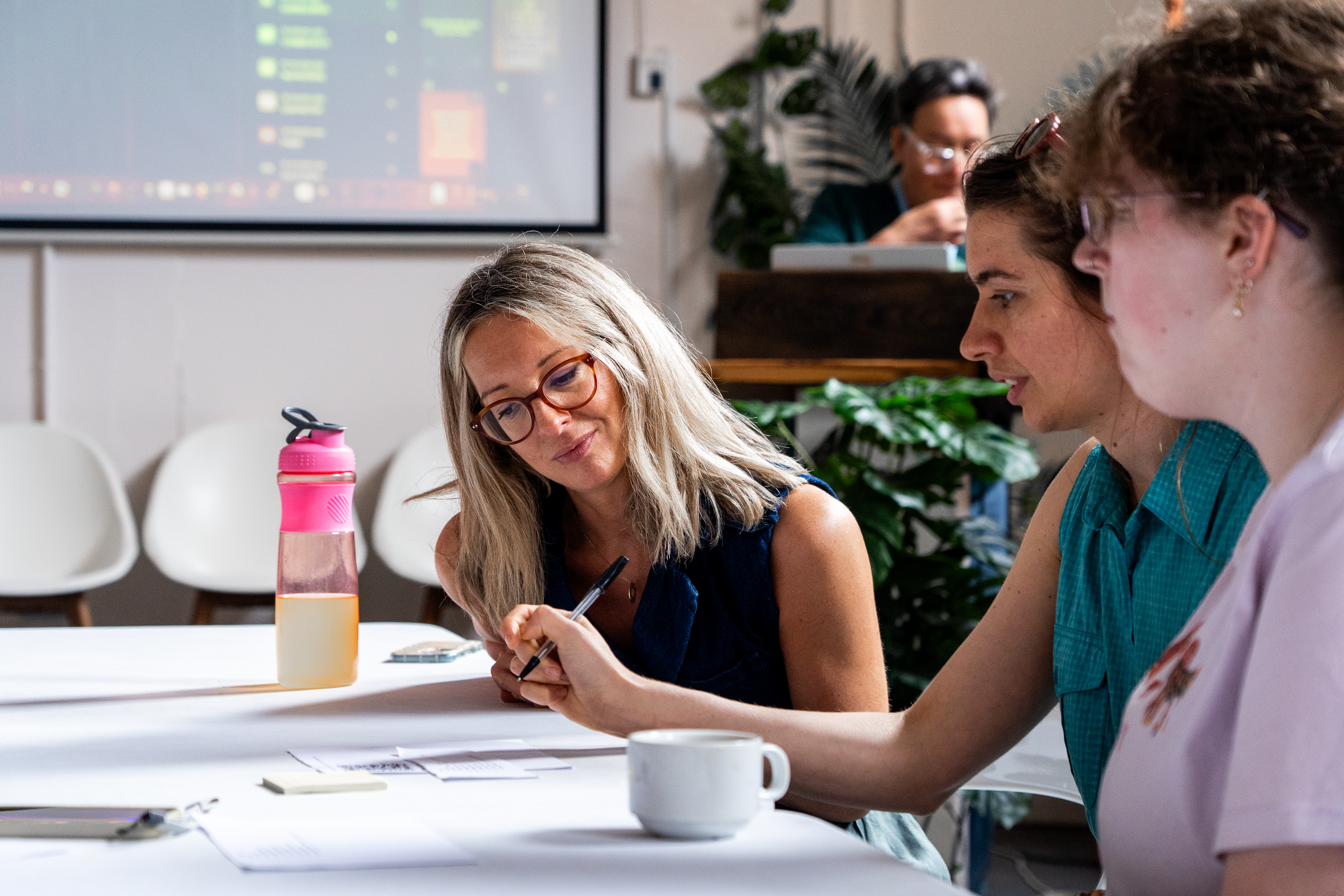
We also got to live test their Swish platform, which was a really interesting experience. It felt like a tool that could genuinely support youth advocacy, providing a space where ideas can be shared, explored, and built collectively. It made me think about how something like Swish could be used in conversations about access and belonging, helping young people express what they need in ways that feel interactive and empowering.
It also reminded me of something Fabric helped me rediscover: my own creativity. Being part of this programme reignited a spark I hadn’t felt in a long time — the joy of making things, imagining possibilities, and collaborating with people who share the same passion for positive change.
Looking back, Fabric wasn’t just a programme, it was a community. I loved being surrounded by people who genuinely care about making things better. People who listen, who challenge, who imagine.
I felt myself growing more confident, more curious, and more connected. I rediscovered parts of myself I’d forgotten about. Fabric gave me the space to bring back my creative side that had been pushed aside by everyday life.
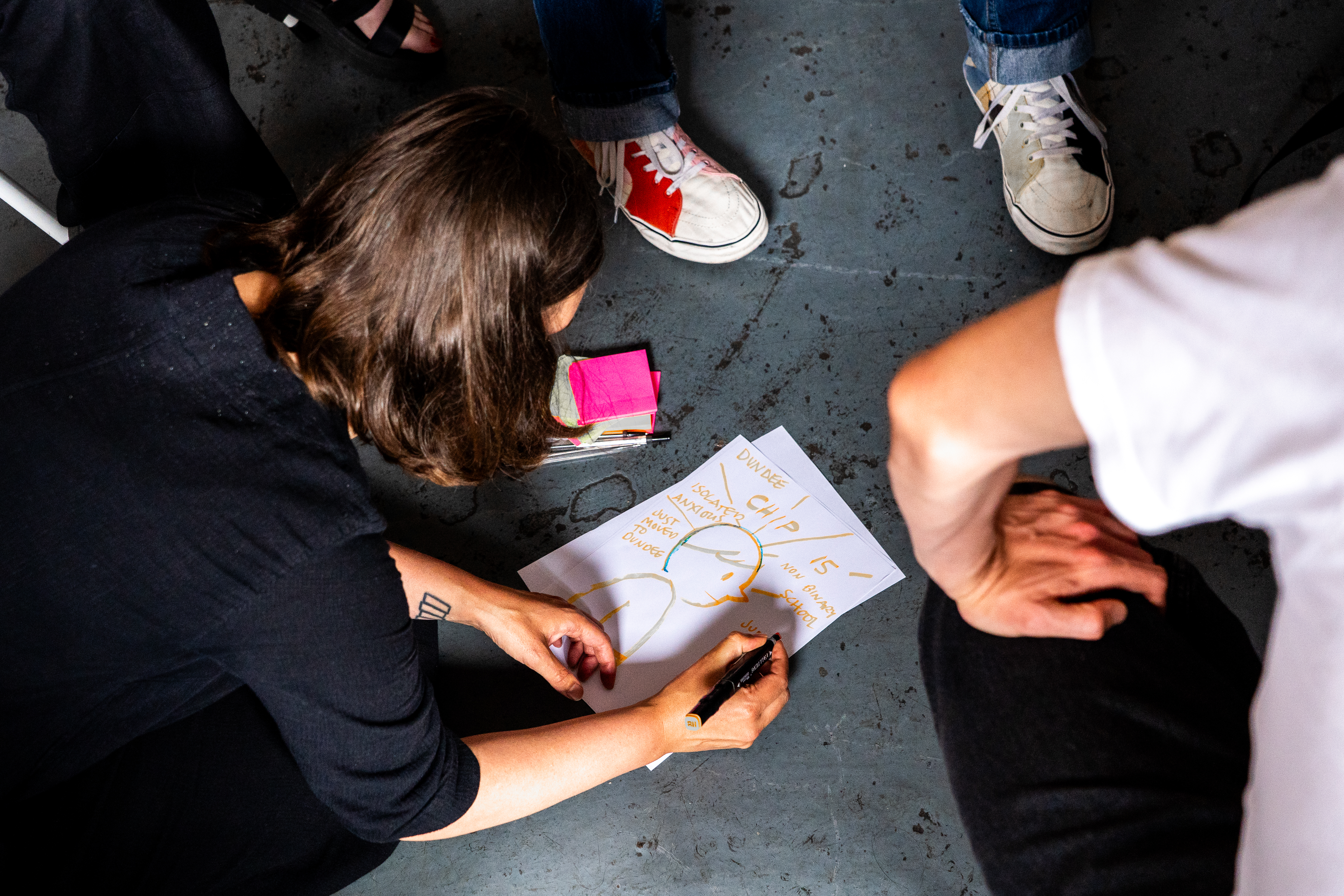
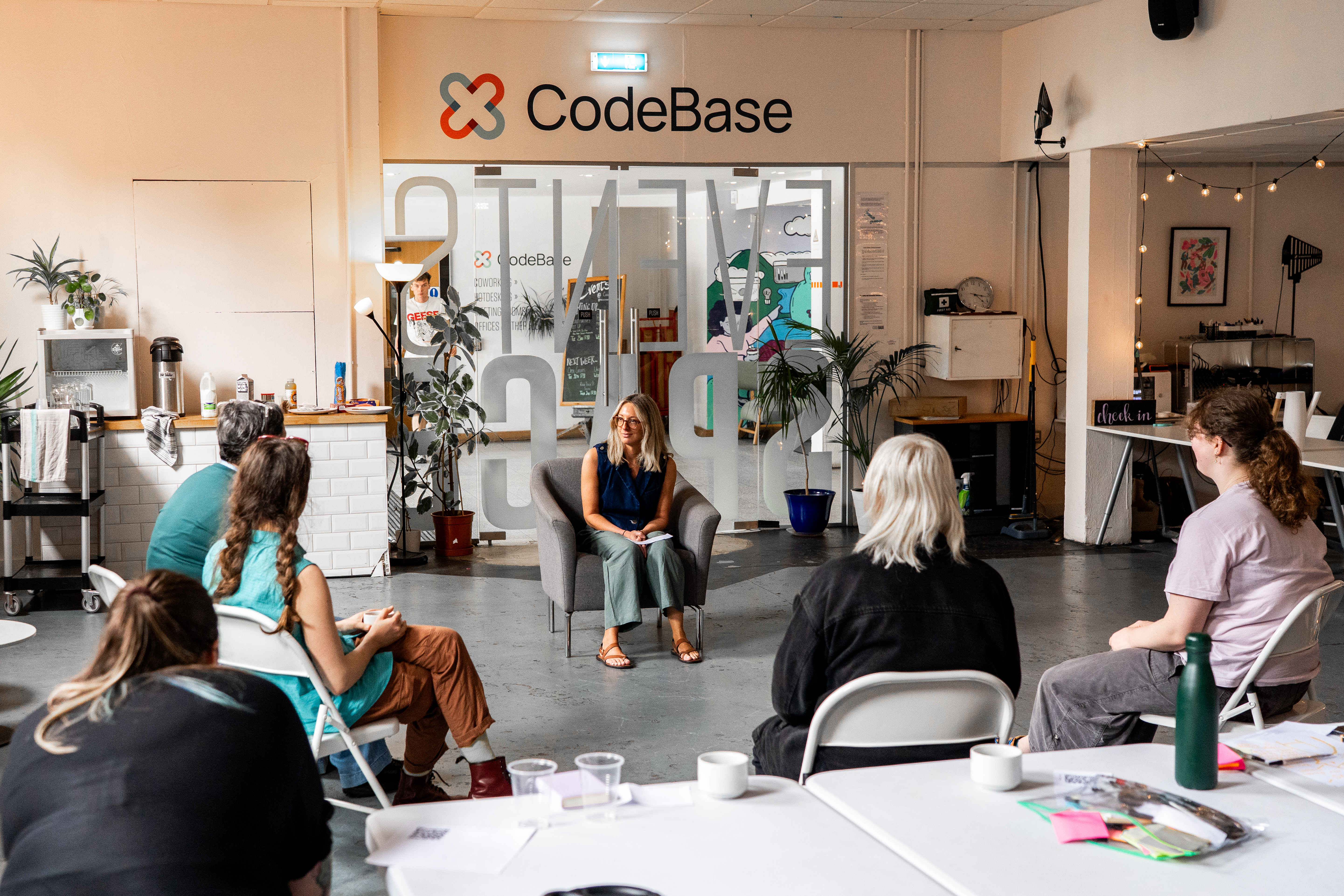
Before we headed back to Dundee, we had our final sharing session. A few things really stayed with me — especially the connecting threads about how our work doesn’t end with Fabric. People spoke about continuing conversations in their youth groups, using the tools we explored, and keeping the momentum going in their own communities. It made the whole day feel less like an ending and more like a beginning.
As we wrapped up our journey home, I felt hopeful. Not in a vague, abstract way but in a grounded, practical way. The kind of hope that comes from seeing what’s possible when young people are trusted, supported, and given the space to lead.
Fabric showed me that change doesn’t happen all at once. It happens through relationships, creativity, and collective imagination. And I’m proud to have been part of that.
Kara Ramsay is passionate about creative approaches to care, communication and community. Through Fabric, she enjoyed connecting with others, learning from different perspectives, and exploring how creativity can shape safer, more supportive spaces for young people.
Fabric is led by Creative Dundee, and delivered in partnership with healthcare, community and creative organisations, with support from the Participation and Communities Team at The Scottish Parliament, as part of Creative Minds – a creative youth mental health project designed by Creative Dundee with project funding from NHS Tayside Charitable Foundation and The Northwood Charitable Trust.
Read the other blogs from across this Fabric journey: Day 1, Day 2, Day 3.

If you would like to support us in creating even better content, please consider joining or supporting our Amps Community.