28.05.26
We’re excited to be back on the Fabric journey – an informal peer-learning programme designed to share, reflect and imagine how collective action can shape a better tomorrow. Bringing together young people, creative practitioners, and youth and health workers, Fabric: Creating Care will explore how creativity, care and systems that currently support young people can be stronger, better shaped and more hopeful in Dundee.
In this blog, Sara Oussaiden takes us through the second session, ‘Care in Our Communities’, and reflects on her experience of a busy day filled with big questions, informative discussions, and collective care.
Our connecting thread for the second session of Fabric: Creating Care was ‘Care in our Communities’. This week we felt the passion and support that emanates from every corner of Dundee whilst also beginning to tackle big questions about what care looks like, who should be providing it, and who gets to access it.
We began our morning with a sun-dappled walk across town, leading us to coffee, catch ups and, after a brief introduction from Claire, a tour of our first destination for the day, Art Angel – a cornerstone of the arts and mental health recovery in Dundee. Here we heard from Guen Rota, Art Angel’s manager, whose love for the space was palpable as she shared some of the projects Art Angel had been working on.
Art Angel is a not-for-profit arts space for people aged 16+ facing mental health challenges. The space itself, alongside the variety of work on display, is a clear testament to Art Angel’s dedication to helping individuals find their voice during difficult times. It was fascinating for me to hear Guen’s story, starting out at Art Angel as a freelancer, and how her journey mirrors the path many of us have followed within the Fabric cohort, and the third sector more broadly, having either received support first-hand or having developed a genuine passion for helping others.
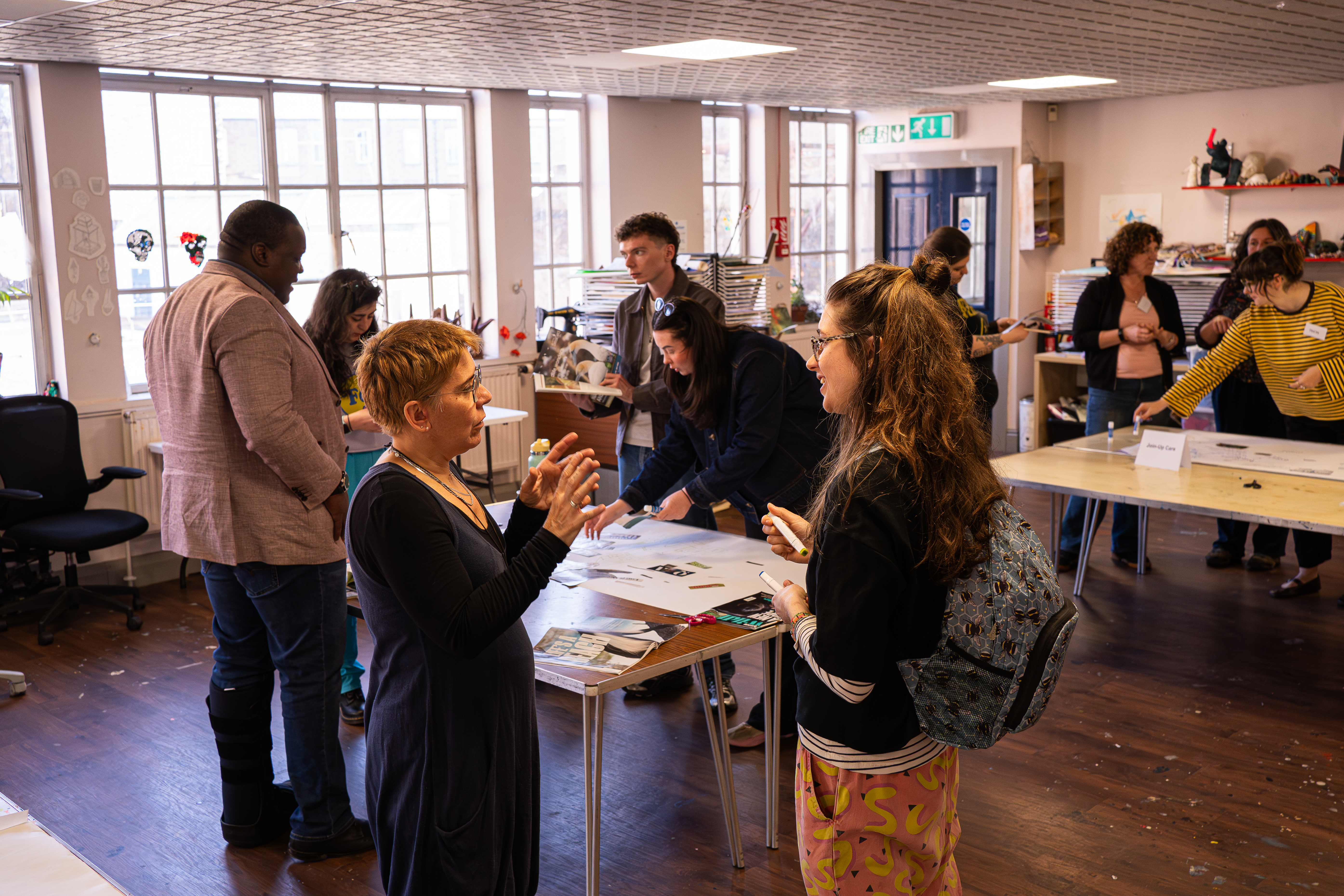
Next we got to hear from other organisations in the area who each demonstrate a different avenue of care within Dundee. Steph and Shoko shared their roles at The Corner, a drop-in health and social wellbeing space for young people aged 11-19. A service that exemplifies the potential for tailored and person-centred care when national health services, local councils and third sector groups come together.
Laura Cooney (a member of the Fabric cohort this year) shared her experience of working as a mental health education officer for CAMHS. She chatted through the complexities of her rewarding role within a service that has developed a negative stigma over the years. Laura also shared the value she finds beyond CAMHS through her work with Alternatives Dundee, a charity that provides support for pregnancy, parenting and child loss. Finally, Iona McCann from Tayside Healthcare Arts Trust shared insight into the organisation’s creative engagement and therapy programmes that often run in tandem with NHS treatment and how these programmes help patients rebuild confidence, discover new means of expression and regain their sense of identity.
Listening to these conversations around care, recovery and creative practice, I found myself reflecting on my own relationship to CAMHS and holistic support. As an artist rooted in participatory practice, I’ve been volunteering at Dudhope’s Young Person’s Inpatient Unit for the past four years, running weekly art groups for ages 12-18 alongside the CAMHS team based there. With this perspective, and as a former CAMHS patient myself, I relate to Laura’s reflections on working with the service.
I’m grateful for the insight my experiences have given me into the hard work the service puts in, while also being aware of what inpatient care alone can realistically achieve. Within the reality of short admissions, limited resources and increasing pressure on services, the unit understands what it can provide and tries to equip young people beyond their admission. Recovery inevitably takes place at home and in the community, led by the agency of the young people themselves. The art group is one way the unit expands forms of care beyond medical treatment, and I’ve had the honour of seeing the increased confidence and resilience that can grow when young people are given the space to engage creatively. It’s a form of support that can stay with them long after leaving the unit, just as it has with me.
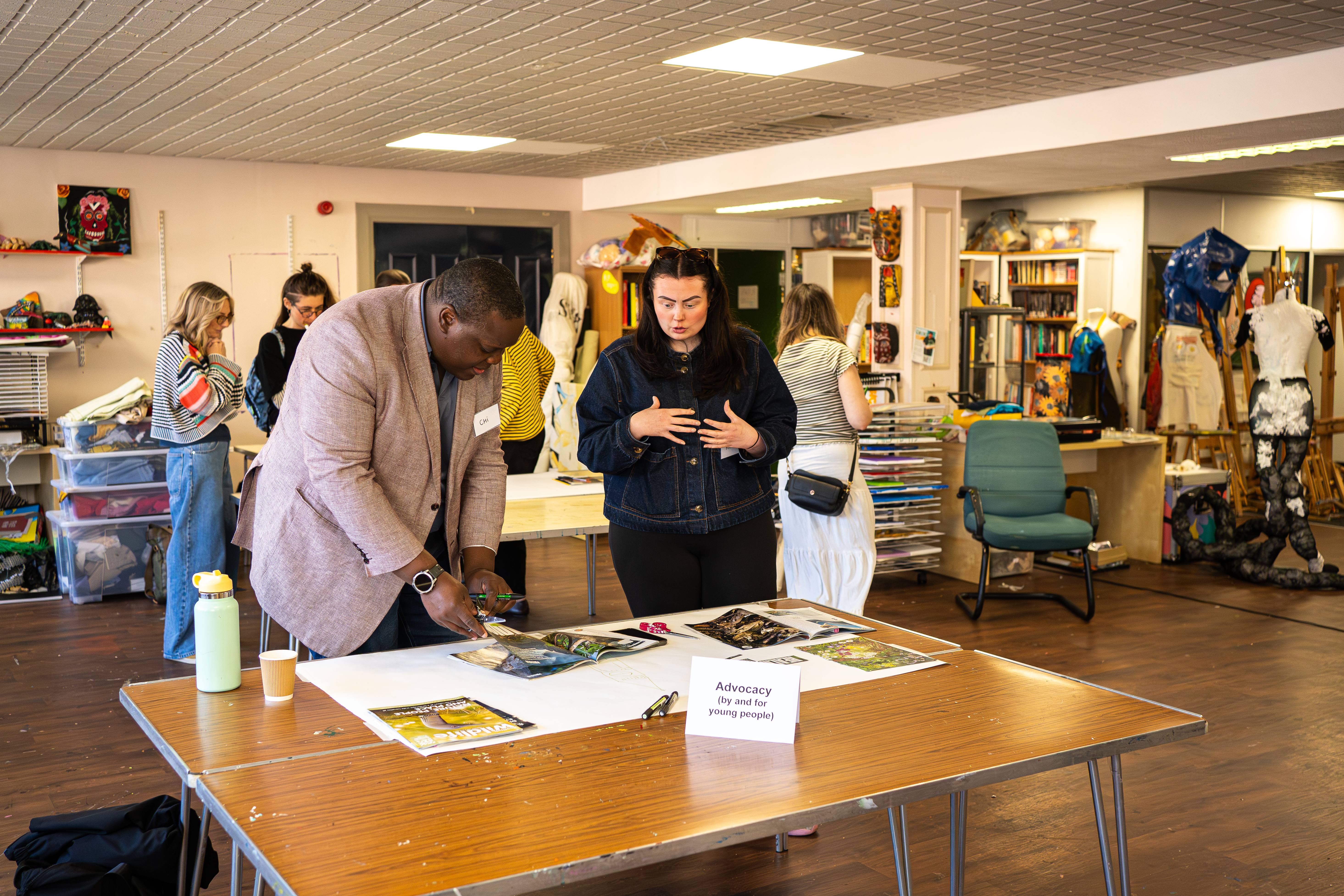
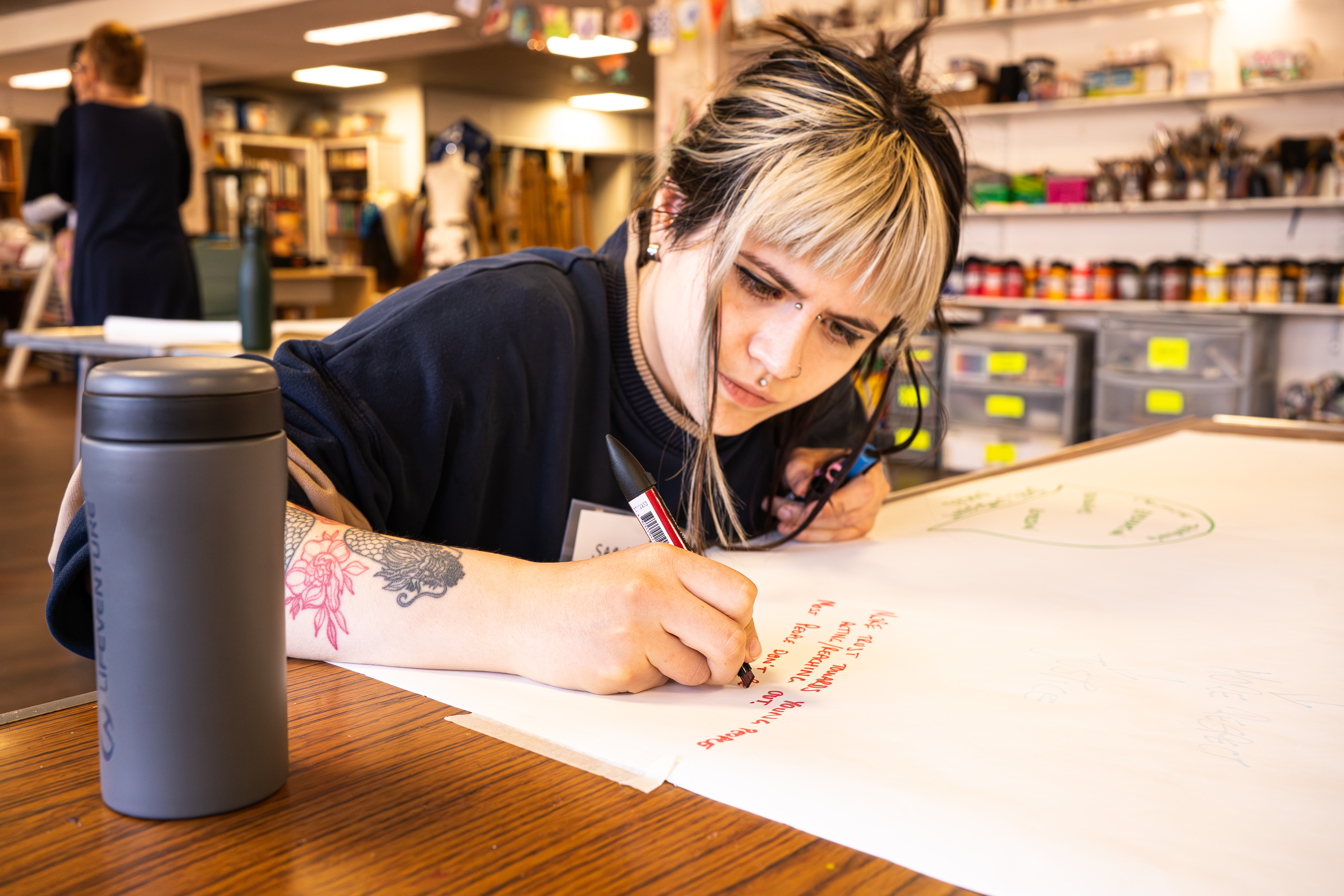
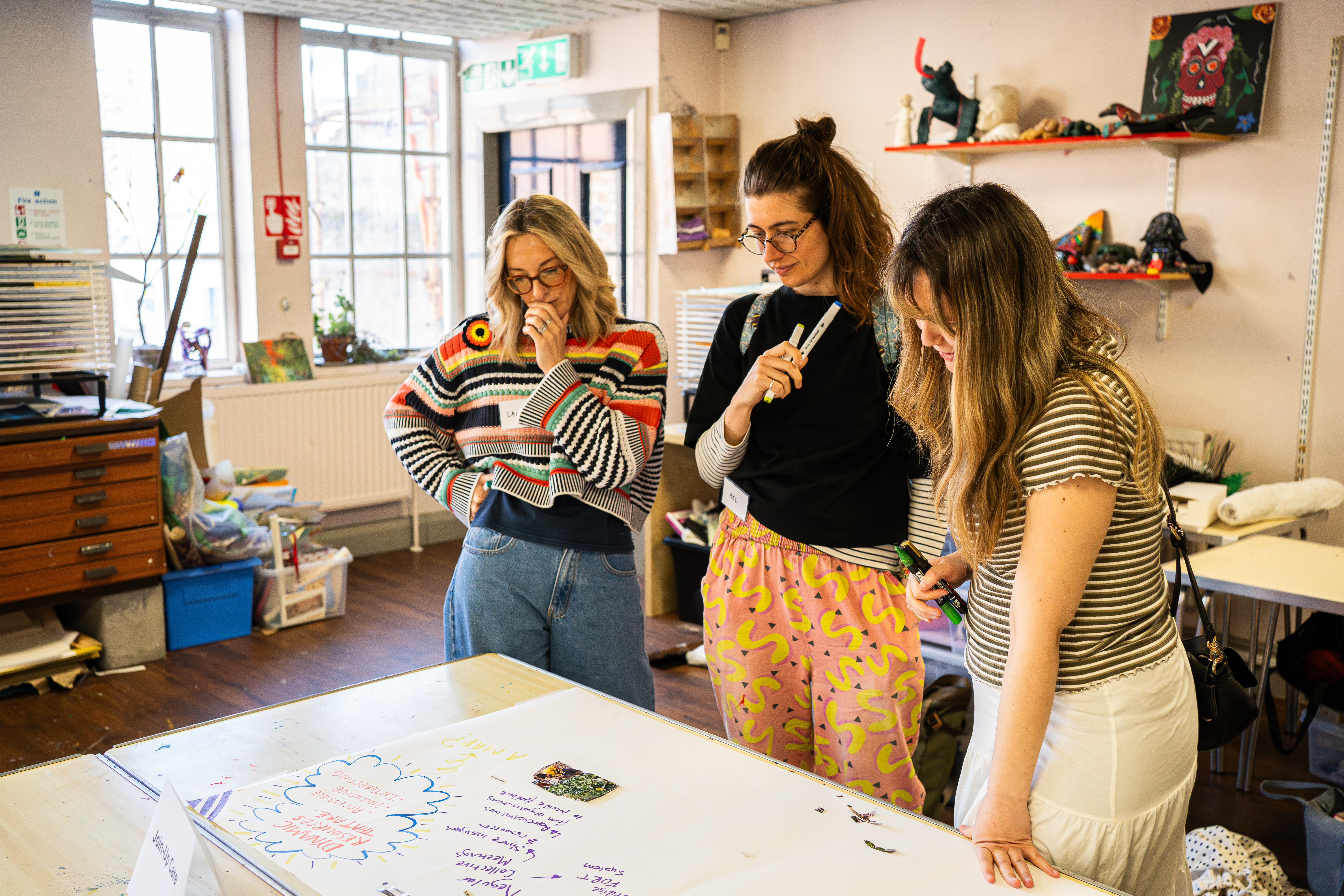
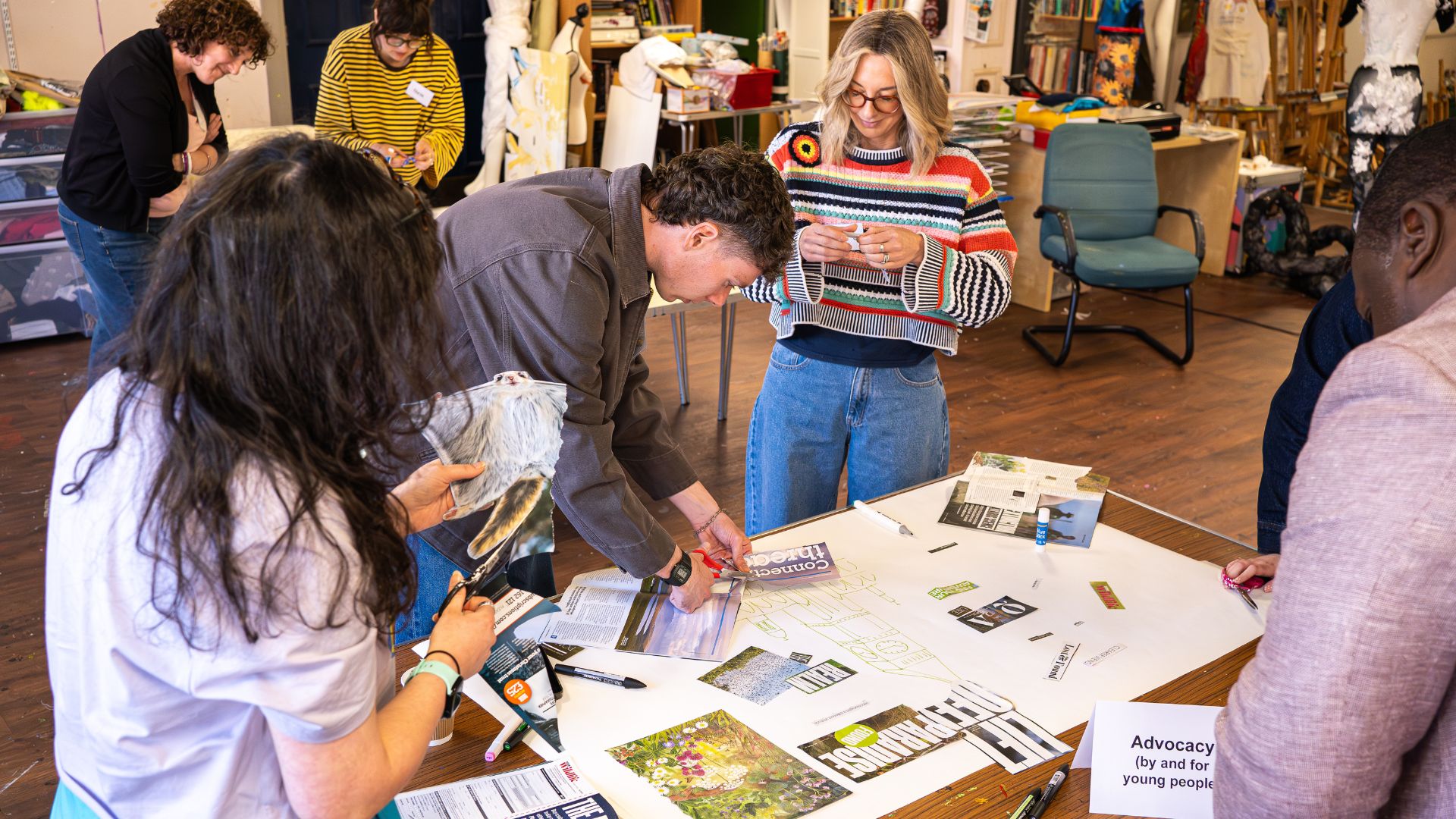
Moving between these different perspectives on care, it became difficult not to think about what was still missing and what future support for young people in Dundee could look like. To stretch our legs and consolidate our thoughts, we were asked to respond to different prompts on the future of youth mental health care in Dundee. Together we brainstormed topics of justice, accessibility, youth advocacy, prevention, education and joined-up care. The result was a collage of possibilities that we will be returning to and developing over the coming months.
While the session generated a hopeful range of ideas, it also highlighted the fragility of the systems currently in place. What became increasingly evident to me throughout these conversations was the need for a diverse ecosystem of individual-centred care from charities and organisations working alongside the NHS. This would create opportunities for more adaptable and community-based support than a single service could ever provide alone. Dundee is clearly doing something right, but with national health services overwhelmed and underfunded and – as Iona put it – the third sector itself at crisis point, it remains difficult to see where the necessary resources will come from or how long things can continue as they are.
After a morning spent grappling with these questions, the change of pace that the afternoon offered felt welcome. With heads full and stomachs empty, we ruminated our way up Stobswell to Boomerang Community Centre to begin our afternoon, kick-started with a home-cooked soup and sandwich provided by their volunteer-led Lunch Club.
The Boomerang Community Centre is a symbol for active and responsive care within the city. Since being founded by Neil Ellis almost 30 years ago, Boomerang has taken on many forms and, as demonstrated during our tour from Alison Carr and Kaitlyn Stott, the centre, its facilities and services are as pivotal to the area as ever. From their affordable Food Larder, to their wide range of youth, wellbeing and support groups, Boomerang’s work touches almost every corner of local life.
Deciding to take advantage of the glorious sunshine, we took some time in one of Boomerang’s greenspaces to hear from local organisations, How it Felt, RSPB Dundee and Room to Be, about their local work with the centre and the approaches to mental health support that prioritise stronger relationships to the outdoors.
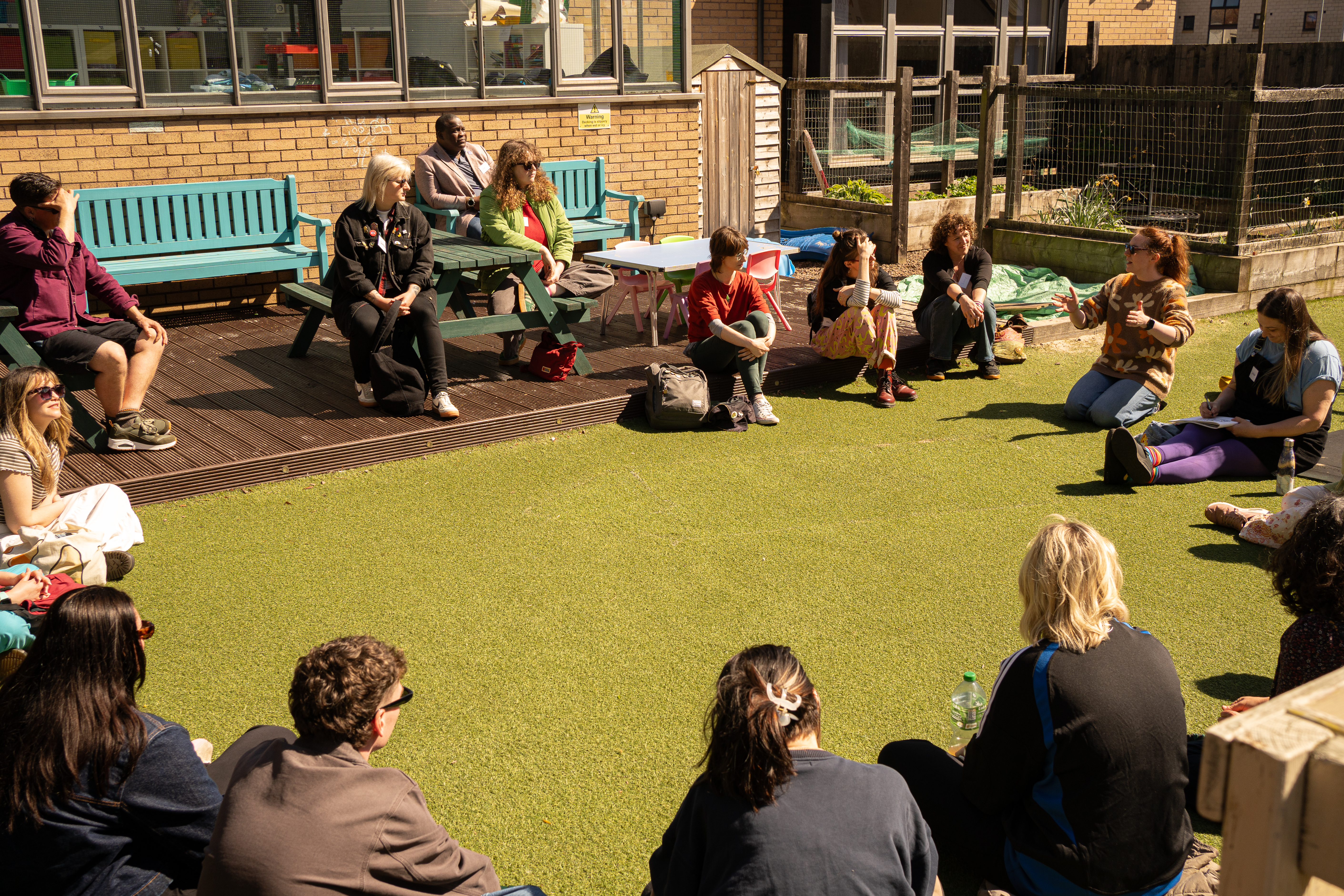
Deborah Chapman (Debs) is an inspiring individual who practices holistic care through art, theatre and puppetry. With her social enterprise, How It Felt, Debs uses puppets to create films and experiences that encapsulate neurodivergence and mental ill health. With Boomerang she’s working on a project called How We Grow, which builds on this approach and introduces play and self-expression in nature.
RSPB programme coordinator, Hope Busak, outlined the variety of outreach programmes the charity supports around Dundee. With their project, ‘Wild Dundee’, the team hopes to strengthen the relationship between the city’s residents and nature through partnerships across already established groups such as public gardens, Abertay University and the developing Eden Project to name just a few.
If there was one quote that encapsulated the afternoon it would be one shared by Debs from Jana Stanfield: “I cannot do all the good that the world needs. But the world needs all the good that I can do.” – So just do it!
That ethos of collective responsibility and personal action carried through into our final discussion of the afternoon with Emile, who alongside Mel (another member of the Fabric cohort) founded Room to Be, a grassroots LGBTQIA+ group connected through nature and art.
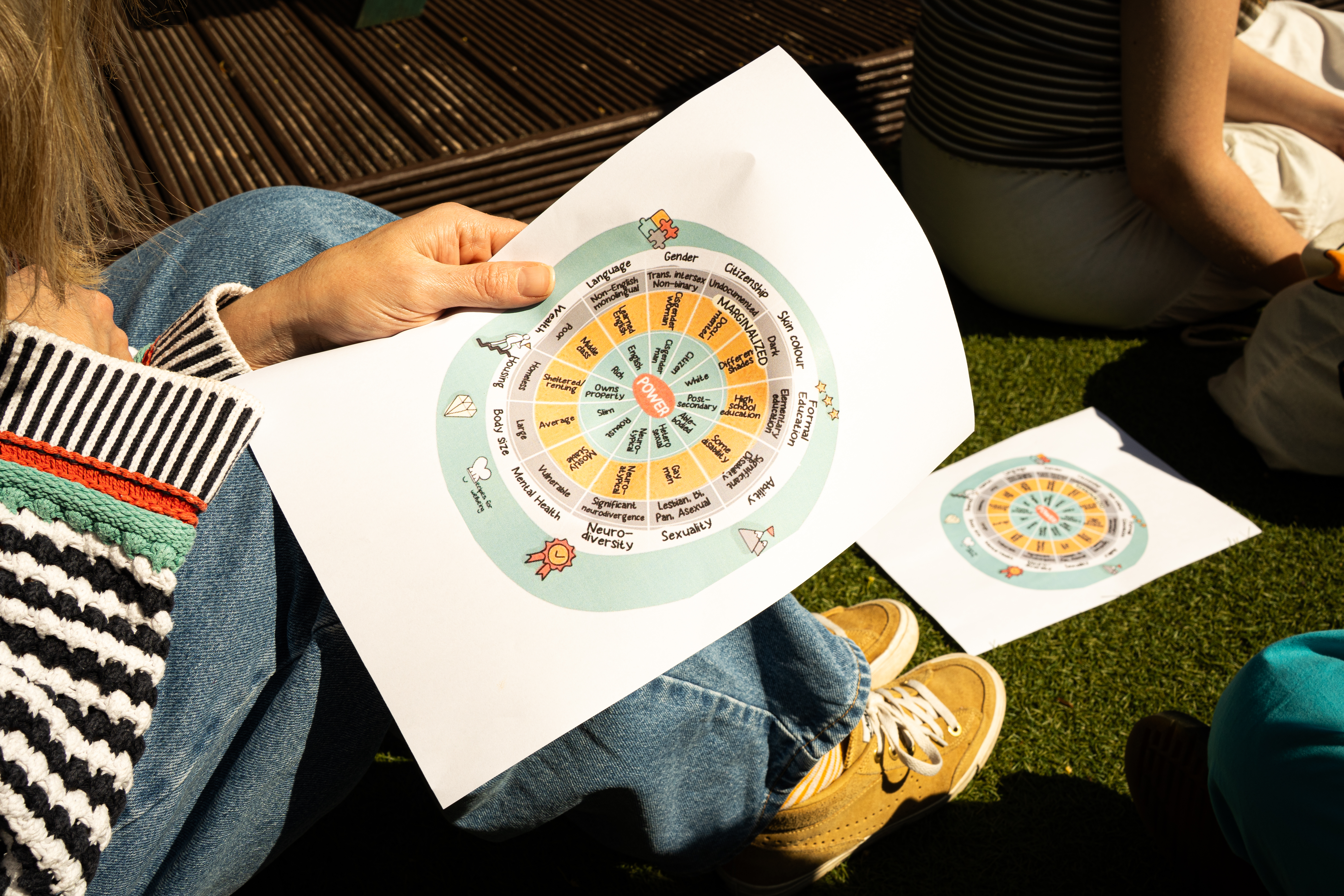
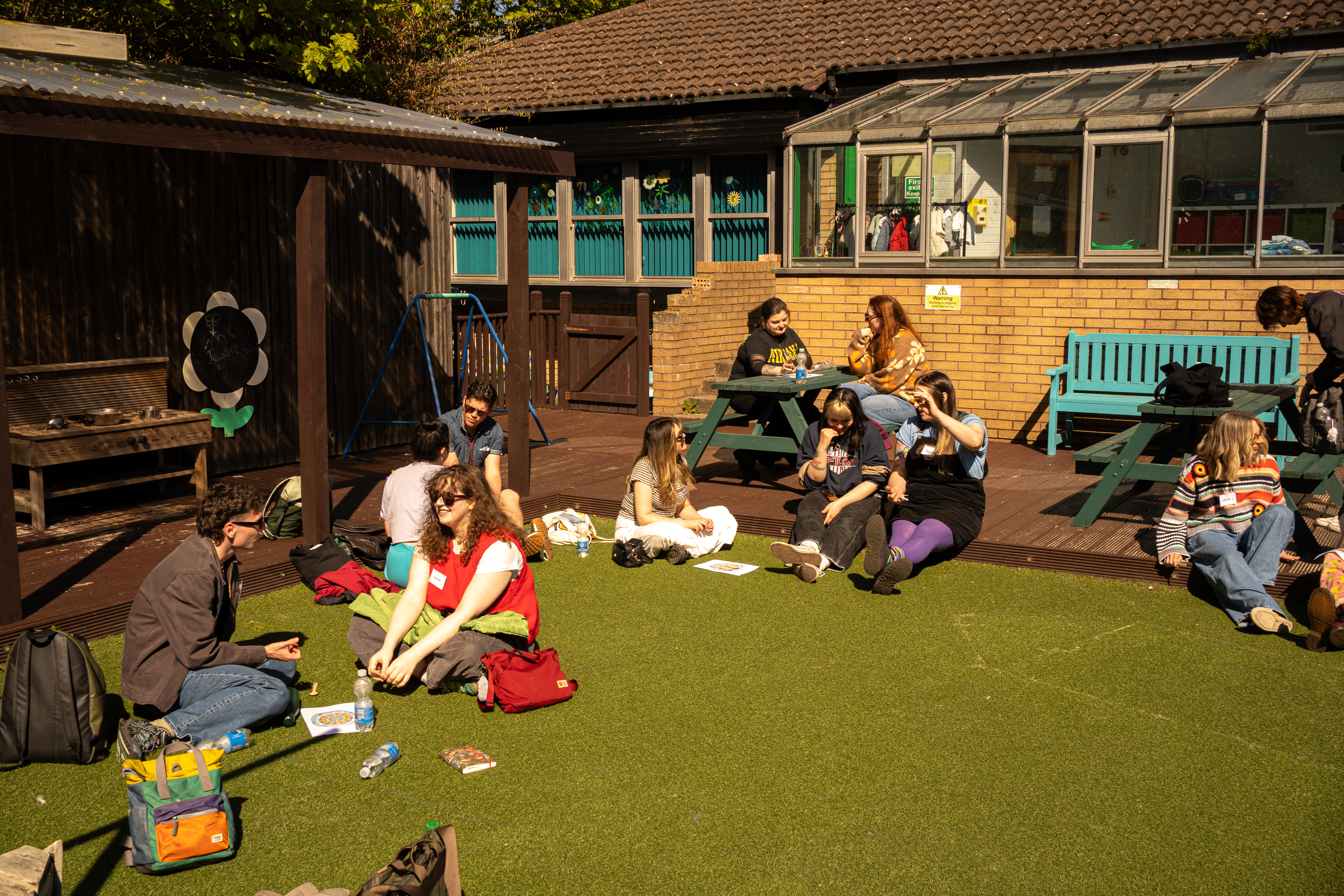
With Emile, the focus of our discussion centred on the role privilege plays in our lives and the power dynamics we experience. Using the ‘Wheel of Power and Privilege’, a tool used to loosely map different aspects of identity against societal power structures, Emile was very open and vulnerable in demonstrating how the tool works by sharing his experiences and where he placed himself on the wheel at different stages of his life. Taking the activity a step further, we paired up and began sharing our own placements across the wheel whilst the other would practice silent listening before sharing their own experience.
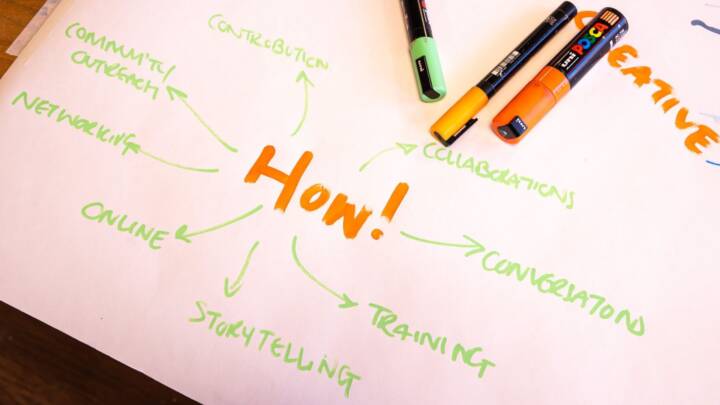
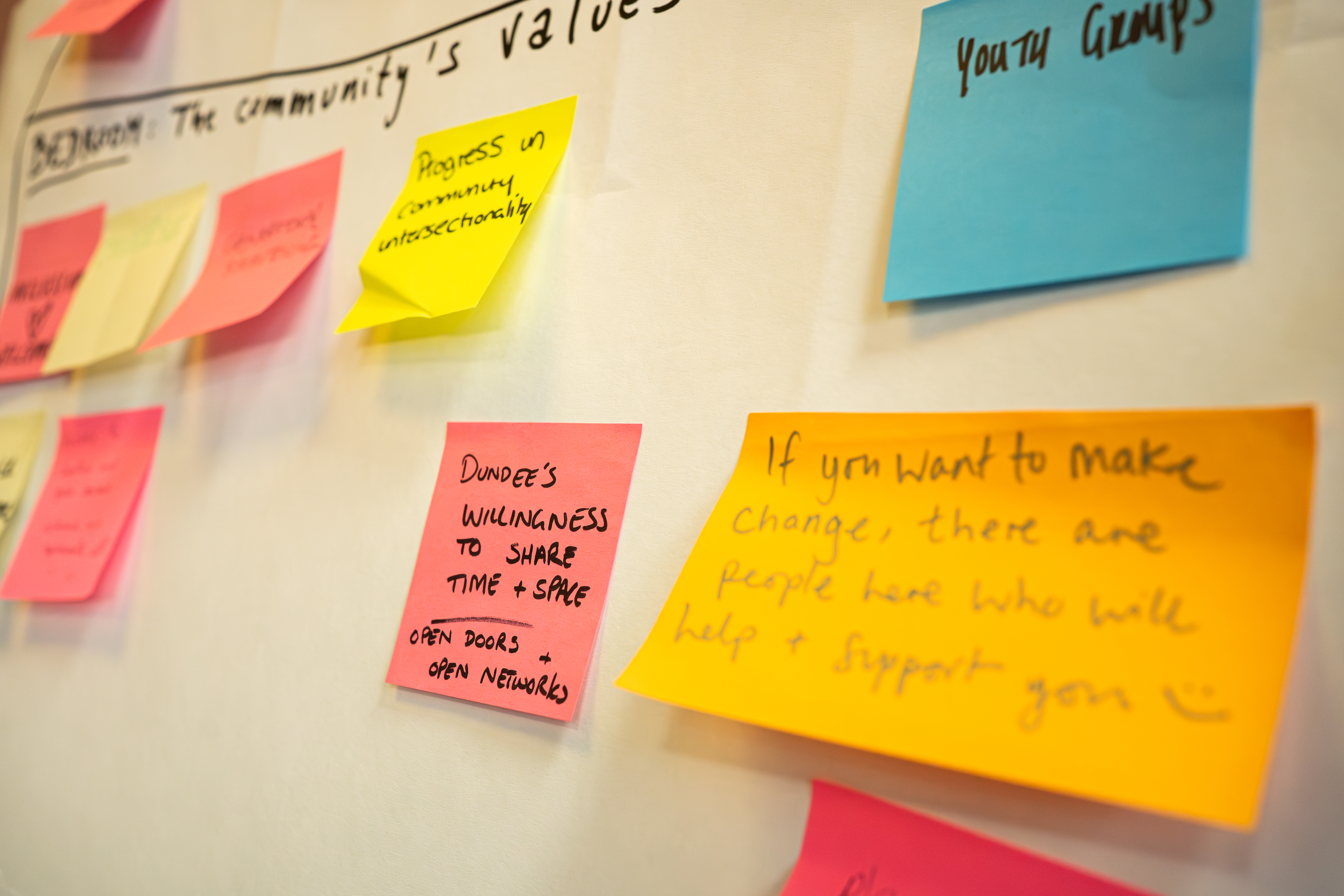
After a long day of discussing the work of different groups and exploring the ideals of a functioning society, we took part in a grounding activity before finishing for the day to bring it back to where we are now – a community with an identity, values, networks, hopes and ideals, but facing the reality and concerns around safety and wellbeing. In putting language to the principles that connect our community, we created lists we plan to revisit in a future session with fresh perspectives and clearer minds.
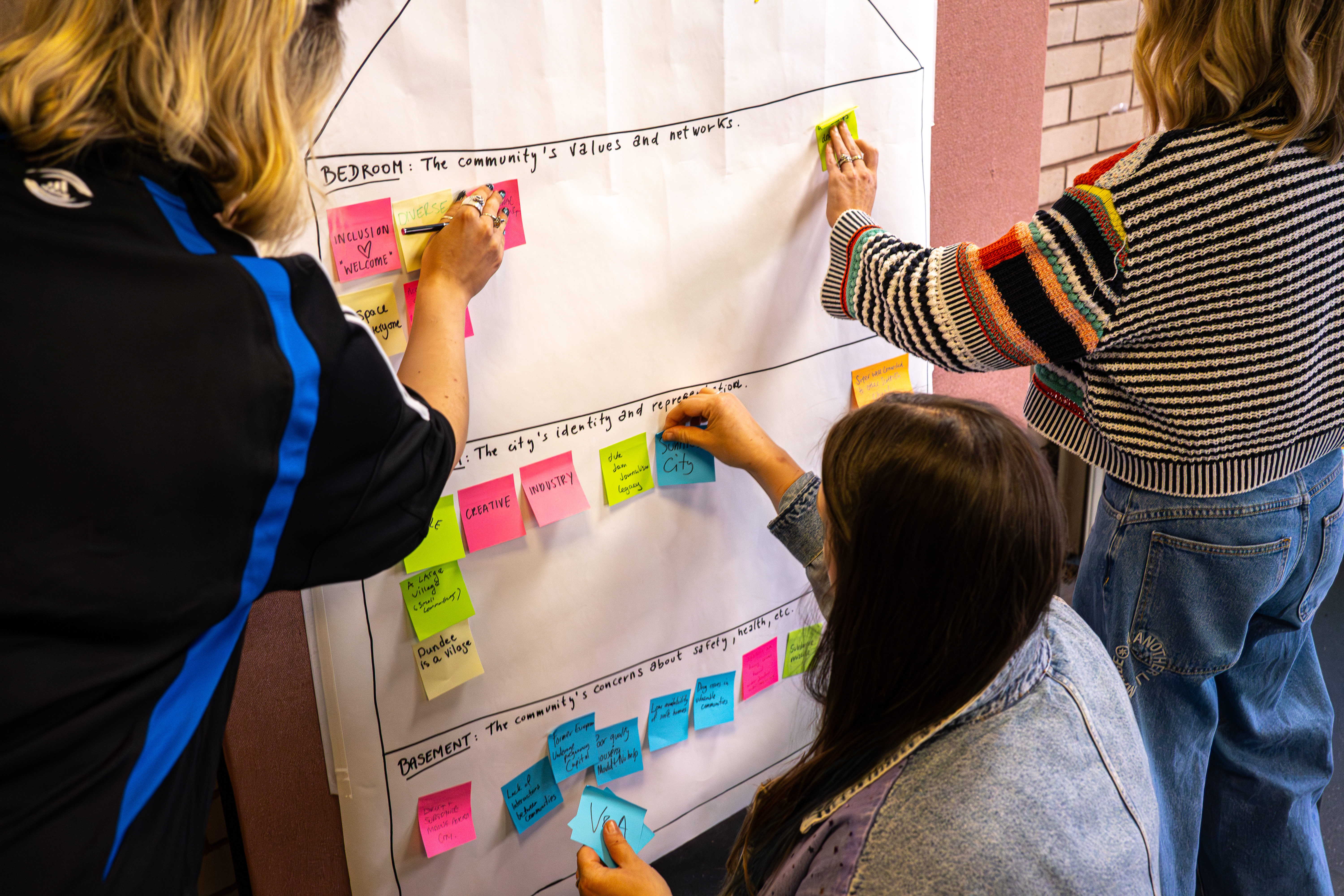
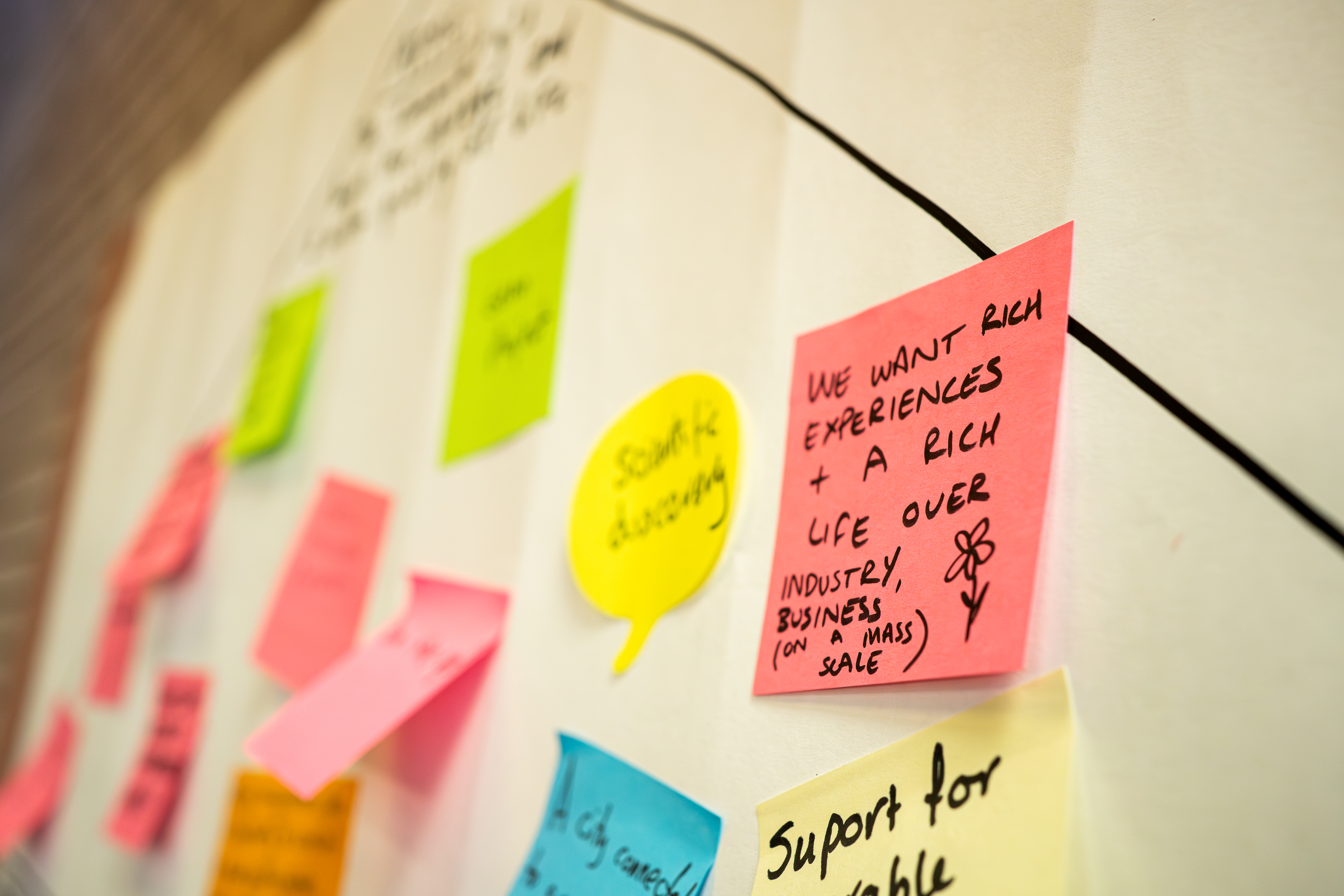
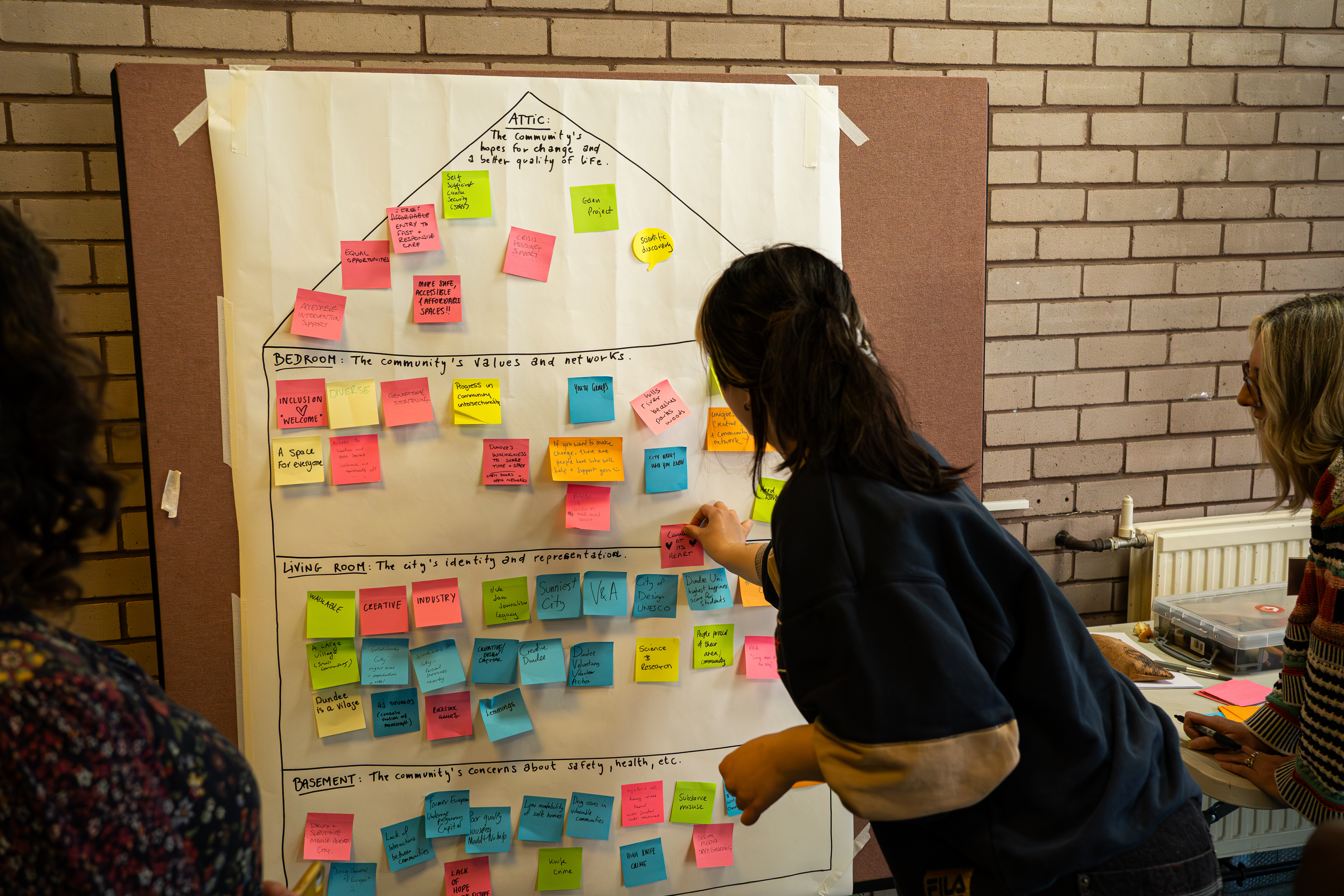
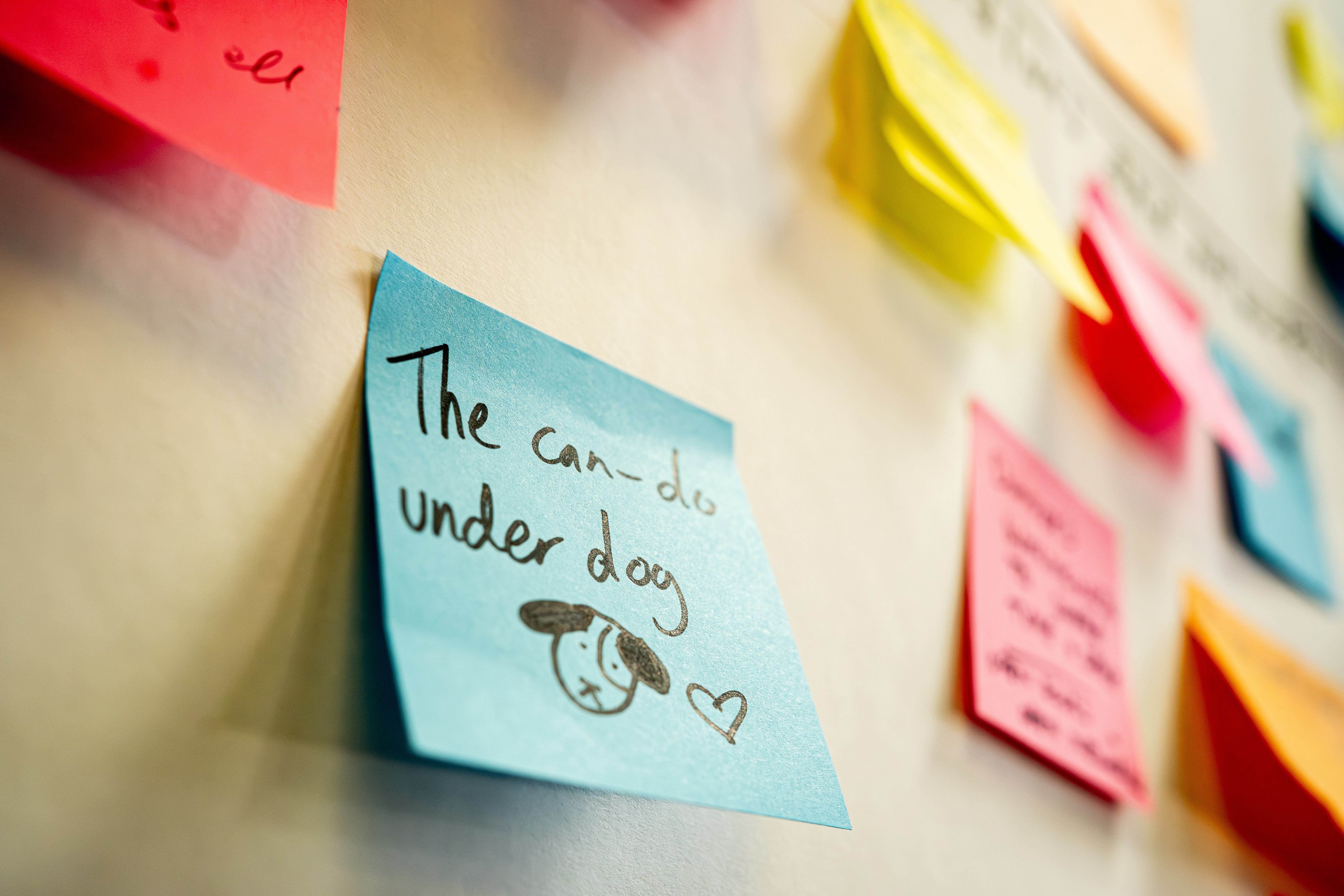
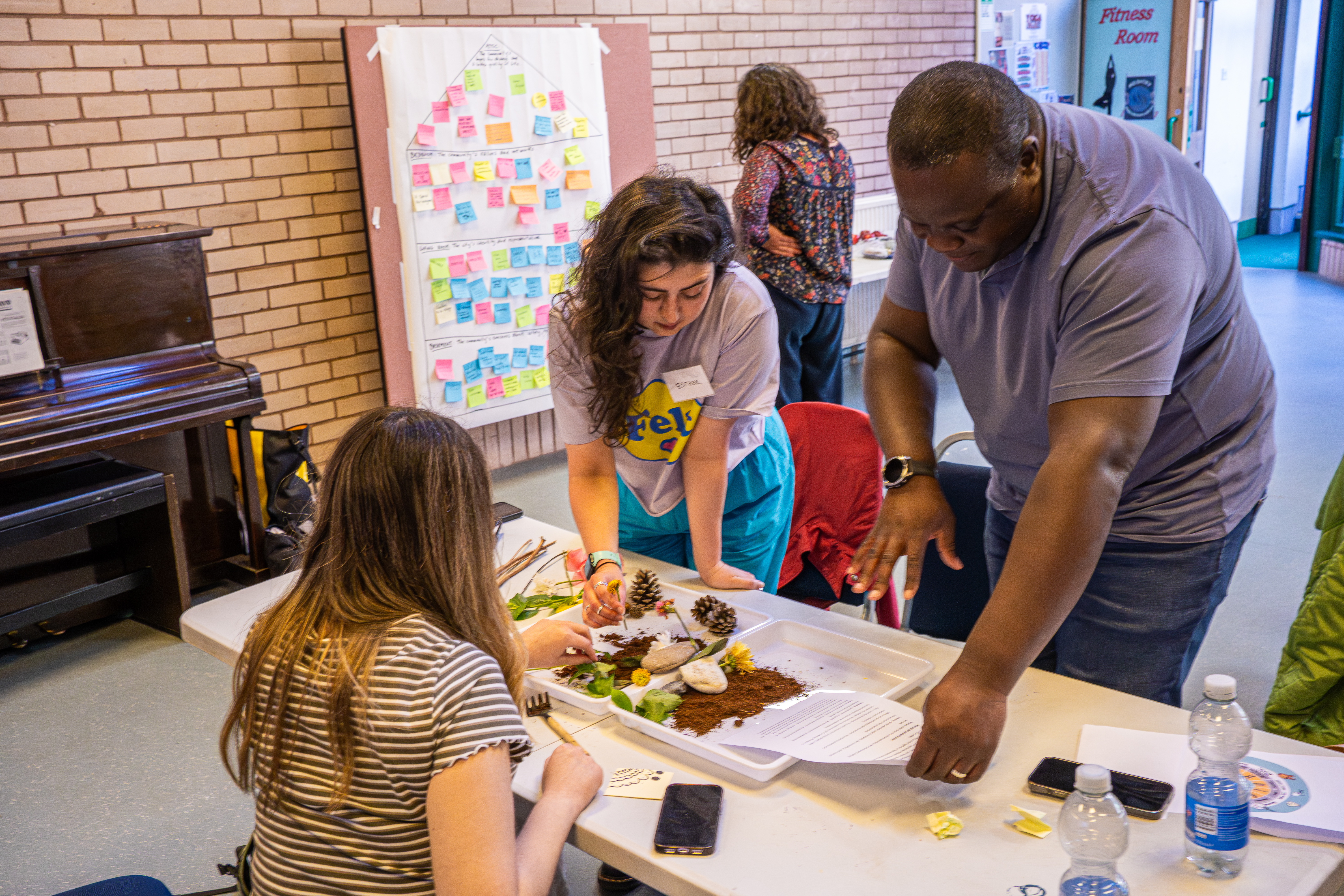
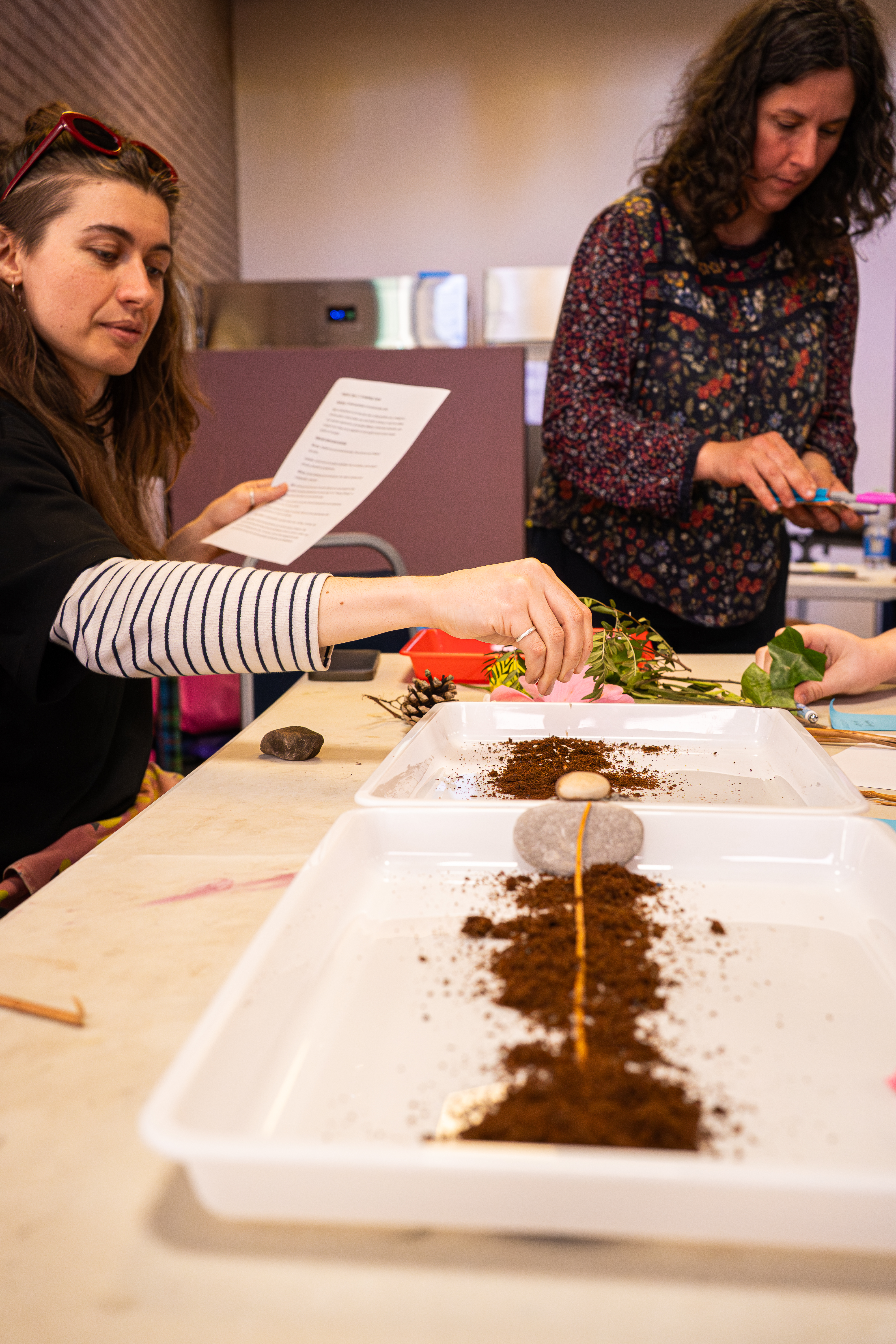
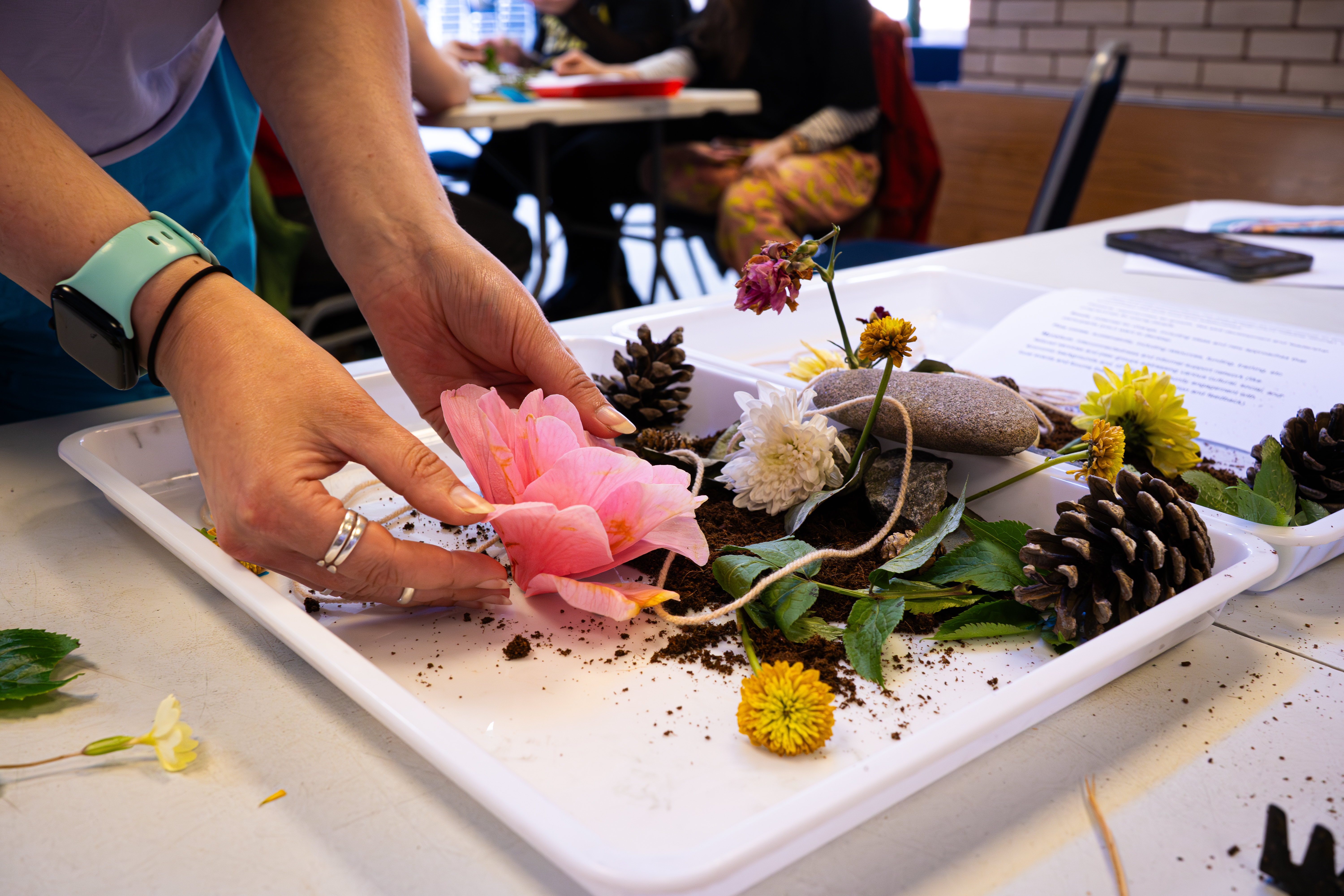
As the day began to wind down, Claire and Debs introduced our final activity for the day: collaborating on miniature gardens as a way of imagining how systems and practices of care might be nurtured within Dundee. Working in groups, we were each given a small tray to build our gardens in, using the process and materials provided to think through the relationships, structures, and forms of support that hold communities together.
At the end of the session, we gathered to share our work. Some gardens reflected idealised systems of care – neat, organised, and meticulously maintained – while others embraced a more realistic view of how networks of organisations often exist in practice: messy, overlapping and constantly in motion. Despite their differences, each garden suggested that these systems are ultimately held together by the communities that rely on and sustain them.
And that was a wrap on Day 2 of Fabric: Creating Care. As beer gardens and sunny strolls home beckoned, we were left to reflect on the conversations from the day, which felt less like conclusions and more like invitations to continue thinking collectively about what care can look like in Dundee.
That spirit will be carried forward into discussions around Healing Arts Scotland’s week of events exploring the role art has in healthcare and recovery which will be taking place around the country in June later this year. Healing Arts Scotland’s Dundee Day has been organised by THAT, Art Angel and the University of Dundee with support from Jameel Arts Lab and will take place on Tue 16 June at the V&A Dundee. The speakers, including myself, come from a range of backgrounds and will come together to share the importance art plays in care and recovery. Tickets and further information can be found here.
Sara Oussaiden is an artist, researcher and community practitioner based between Dundee and the Isle of Skye. Awarded the NHS Tayside Star Award in 2025 for volunteering as an art tutor in Dudhope’s Young People’s Psychiatric Unit, she works across community and learning contexts, using creative practice to support confidence and connection in youth communities.
Fabric is led by Creative Dundee, and delivered in partnership with healthcare, community and creative organisations, with support from the Participation and Communities Team at The Scottish Parliament, as part of Creative Minds – a creative youth mental health project designed by Creative Dundee with project funding from NHS Tayside Charitable Foundation and The Northwood Charitable Trust.
Read the other blogs from across this Fabric journey: Day 1, Day 3, Day 4.

If you would like to support us in creating even better content, please consider joining or supporting our Amps Community.