02.09.26
Fabric: Creating Care brought together young adults and practitioners, working across creative practices, youth services, and healthcare, to explore creative approaches to health, care, and future thinking.
Young adults demand respect, joined-up care and fair access. Our recurrent 4-day-long creative leadership programme, Fabric, offered a peer-led space to take these insights seriously, by collaboratively shaping ideas and practices together, and building collective intelligence.
This year’s cohort has been incredibly open, brave and generous in sharing their insights and experiences, learning from amazing local projects, and leading important (and often difficult) conversations.
The biggest takeaway from this year’s Fabric is how our time together has inspired hope and provided invaluable time for reflection and interaction with peers engaged in similar work and sharing similar values. It was also great to connect with other organisations to share experiences and learn collaboratively.
There was a clear appetite to adopt a broader perspective, connect with a diverse mix of practitioners, across sectors, and access behind-the-scenes insights from other communities. We also identified the need for smaller, more open sessions to foster a community of practice, with care embedded from the start and throughout.
“Marked by conversations, observations, exploring spaces that felt so alive, and learning from incredible people that work hard to keep community breathing. It’s special to see people building a care-led future in Dundee.”
Sofía/Teyo Calmeiro-Arguello, Fabric Participant
With more young adults facing mental health challenges, and recognising that creativity, collaboration, critical thinking and kindness are important for their futures – there’s a greater urgency and opportunity to support them in building the ability and agency to co-develop new and responsive approaches to providing care, and shaping the systems that affect them.
Furthermore, there’s increasing awareness that prevention and early intervention must be central to improving youth mental health, while conventional care systems too often miss deep engagement with lived experience or the flexibility to prototype creative solutions.
Local insight from JRF, the Dundee Fairness Commission, Alternative voice: inclusive decision-making empowering Dundee’s community also highlights the importance of participatory, place-based approaches in addressing mental health inequalities.
Art Cure: The Science of How the Arts Transform Our Health by Dr Daisy Fancourt makes a compelling case for ‘arts prescription’ as a vital approach to mental health care. Just as the concept of ‘5 a day’ emphasises the importance of physical health, her research provides evidence for how engaging with the arts can significantly enhance our mental wellbeing.
Arts Culture Health and Wellbeing Scotland, an active network supporting those working across the sectors, recently shared updates from Public Health Scotland acknowledging the powerful link between the arts and health, and why it’s a critical tool for tackling health inequalities. Additionally, the Chief Medical Officer’s latest annual report highlights kindness, collaboration, and compassion as cornerstones for delivering fairer and sustainable systems of care.
Creative Scotland is also working on highlighting and connecting activities at the intersection of arts and mental health, with a new Arts and Mental Health Framework, to create a shared vision and strategic direction. They are inviting our views to foster a shared vision through a survey and online engagement sessions on Wed 18 and Fri 23 Sep.


From drawing comics, making poetry and acting, to designing gardens with natural resources, the Fabric cohort used creativity to reimagine systems of care, learn from others, and discuss ideas. We drew inspiration from key topics in Feeling Strong’s Mental Health Manifesto, including prevention, joined-up care, access to services, intersectionality, advocacy, and respect.
Emerging from our conversations was a strong emphasis on the idea that there should be ‘no wrong doors’, that we need to take a connected, community-led approach to providing care, through developing a road map with diverse pathways and facilitating cross-polonisation between community spaces and clinical services.
What public institutions like CAMHS provide is often viewed as the ultimate solution (the ‘ivory tower’) but the path to accessing their services is long and uncertain. With so much hope and pressure put on their essential services – which has significantly increased due to greater awareness of neurodivergence – it’s also important to recognise the limitations of inpatient care and understand what it can realistically achieve.
Additionally, challenges like austerity, stigma, and service gaps continue to limit access to necessary support. The risk of judgment or discrimination is real, leading many young people to worry that their concerns won’t be taken seriously. As a result, they often delay seeking help until they reach a ‘crisis point’.


While it’s true that “recovery inevitably takes place at home and in the community, led by the agency of the young people themselves” (Sara Oussaiden, Fabric participant), too often prevention and care falls on unequipped and under-resourced families and communities, who are taking on the vital role of the informed, reliable and supportive adult figures that young people need in their life.
Spaces like Hot Chocolate Trust, Feeling Strong, Comics Youth step up to this role, using creativity and peer-led relationship models to help young people express their inner worlds and build a sense of community. These safer spaces also demonstrate how young people can be part of programming and involved in how creative wellbeing is being shaped.
Care, time and stability build visibility, trust and better access. When forms of care need to expand beyond medical treatments, these youth spaces are great examples of active, responsive and creative care within our communities – but what happens when a generative space, like Feeling Strong, is suddenly forced to close its doors, taking away the sense of safety and belonging that it provided?
During our time together, we talked a lot about how Dundee is held by communities that care for each other (the ‘village’), the importance in properly resourcing the physical spaces that host them (the ‘islands of hope’), and tightening strong connections between them (the ‘bridges’).

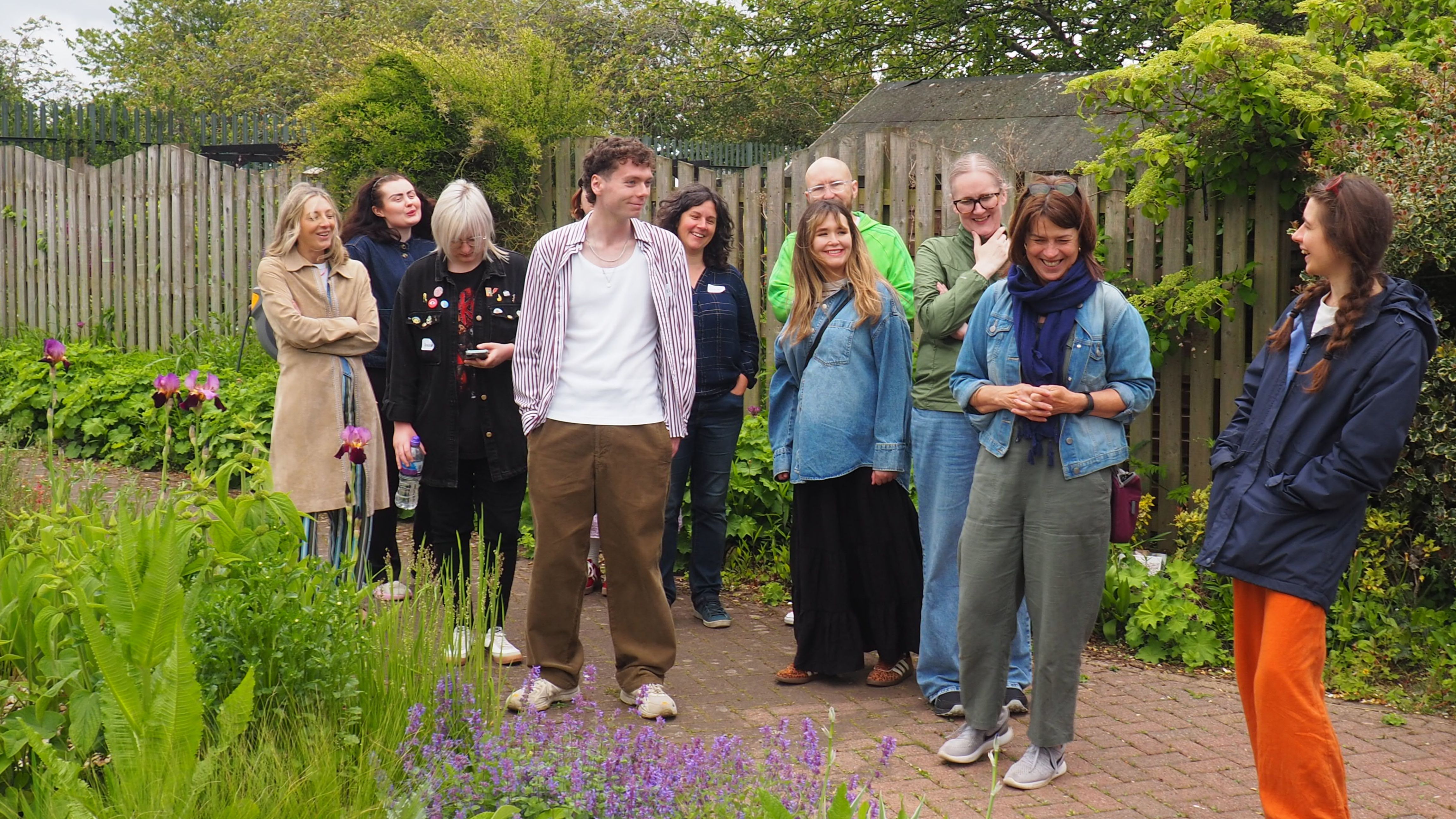

Building creative networks of support like Room To Be, and anchor community spaces like Boomerang and Growing Chrysalis is essential for strengthening the social fabric and weaving safety nets for those falling through the care system cracks. Sadly, the hidden labor of those who steward them often goes unrecognised and unsupported, as it requires so much care, energy, and time to establish these connective spaces.
Health services like The Corner are another great example, offering educational programmes across the city, and a consistent location and first point of contact (drop-in) where young people can find information and support, without being placed on a waiting list or navigating multiple referral steps.
Dedicated projects like Art Angel, THAT, How It Felt and Dundee Rep Theatre’s dramatherapy work are also facilitating spaces of care, using creativity to help people navigate their emotions with a gentle, person-centred approach to meeting people where they are. They have long demonstrated how their work and interventions have increased confidence and resilience through space to engage creatively.


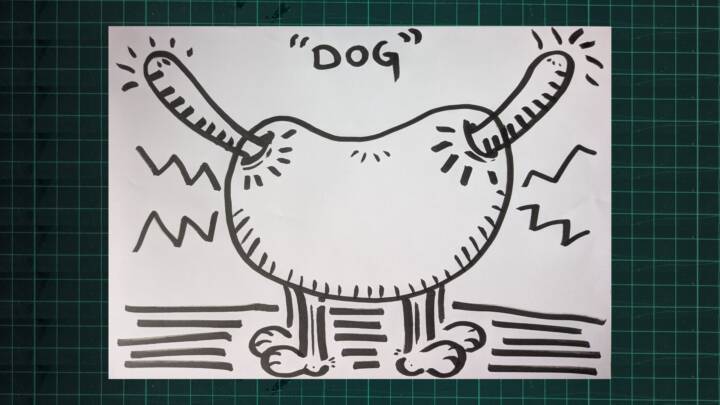
Back in June, Healing Arts Dundee: Arts & Health Across the Life Cycle brought practitioners together to celebrate the many ways creativity supports our health and wellbeing throughout our lives. Dundee-based illustrator and comic maker Erin McGrath (also taking part in Fabric) captured the presentations, creating a visual response to the ideas, experiences and conversations being shared.
Throughout the Fabric programme, we explored many more topics, from youth advocacy, power dynamics and reciprocity, to how we help young people navigate the maze of services.
We were also left with more questions – How can we merge creative participation methods with traditional structures to drive positive change? Who are we wanting to educate? How do we shift from crisis response to integrated youth-led prevention? – and the confidence that Dundee has the energy and expertise to pave the way for more integrated, creative responses to the challenges facing our youth.
You can read more about each Fabric session in this blog series, written by young participants:
Fabric was designed 11 years ago, with the aim to build collective leadership through peer-leaning and connecting those who are making things happen across the city. Throughout the years, it created temporary democratic platforms, islands of hope, where we had the time and resources to collectively reimagine a better tomorrow.
It was then really fitting to work alongside The Scottish Parliament’s Participation Team (PACT) as part of their Communities Action Plan. It offered us the unique opportunity to learn about how lived experience influences policies through deliberative methodology, and get insights into the work of the Scottish Parliament Information Center (SPICe).
We also had the opportunity to develop a series of recommendations – enriched with the diversity of our perspectives – which we informally shared with MSPs during our visit to Holyrood. You can read our Recommendations: Solutions to Youth Mental Health in this document produced by PACT.
MSPs present on the day included: Heather Anderson (MSP Dundee City West /SNP), Stephen Gethins (MSP Dundee City East /SNP), Michael Marra (MSP NE of Scotland /Labour), Yi-pei Chou Turvey (MSP NE of Scotland /Lib Dems), Paul McLennan (MSP East Lothian Coast and Lammermuirs /SNP).
“It was such a pleasure to work with you all and be part of Fabric. An exciting, inspiring and meaningful project. A great journey ending in a powerful session. Special thanks especially to those with lived experience who took part, it was a privilege to work with you and all the groups and people we met in Dundee along the way.
Kate Smith, Participation Manager (PACT)
For us this was an opportunity to learn and explore how we better involve people in the work of the Parliament. In ways that are led by the community. It was part of our Communities Action Plan and is I think a great example of using creativity, flexibility and innovative methods that resulted in impactful recommendations. (the group produced recommendations for Elected Members – ‘Solutions to Youth Mental Health’). We hope this builds longer term relationships and connections going forward.”
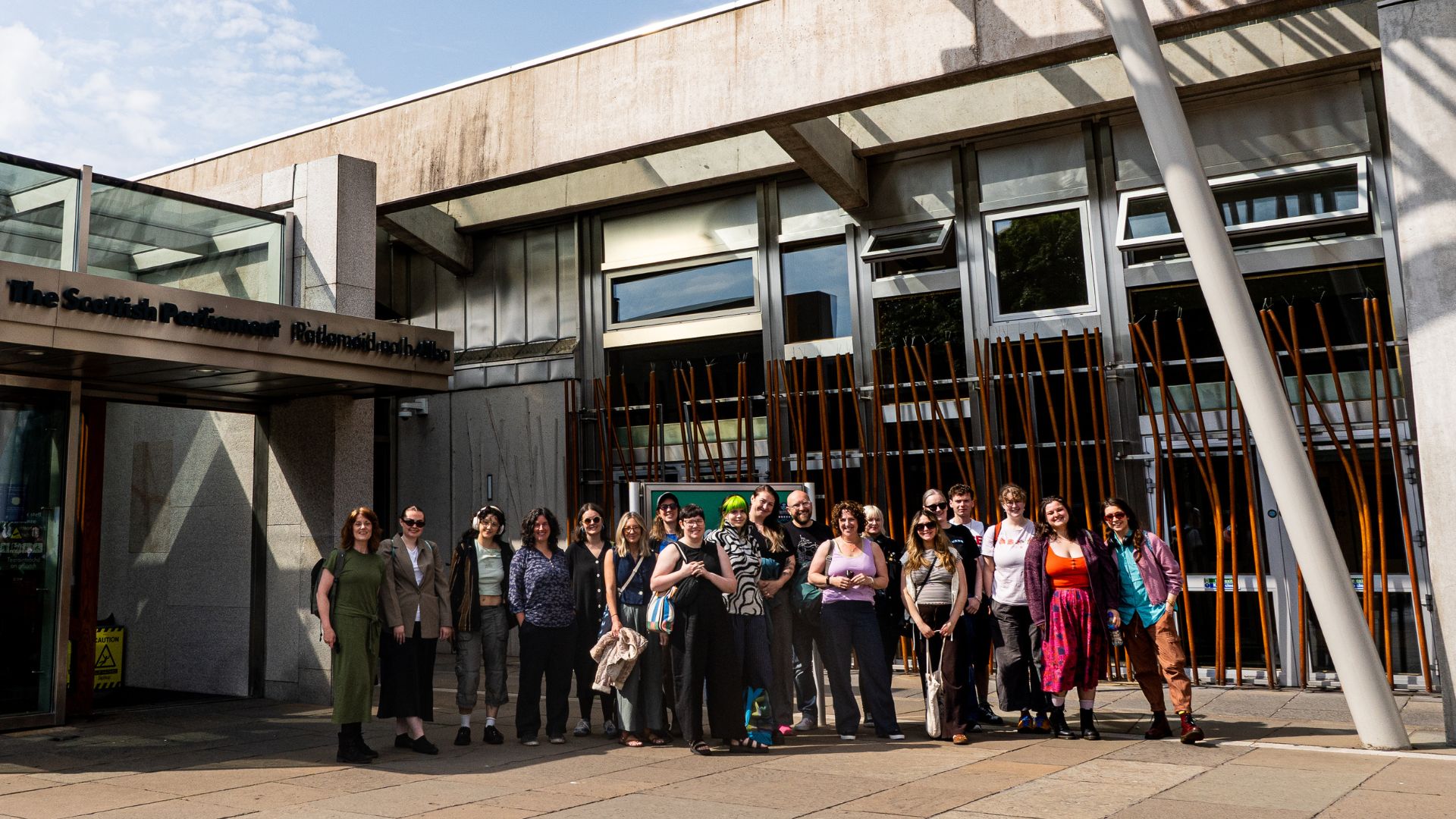
This year’s Fabric is the initial phase of a year-long project, Creative Minds, which aims to reimagine youth mental health and community care systems in Dundee.
With project funding from NHS Tayside Charitable Foundation and Northwood Trust, Creative Minds aims to strengthen the City Plan for Dundee 2022–2032’s vision of a creative and caring city by building belonging, confidence, and resilience through inclusive and collaborative approaches to mental health innovation – demonstrating a local system where young people’s voices guide solutions, supporting both wellbeing and fairness across the city.
Following this creative exploration are two co-design workshops, bringing together young people and practitioners from across sectors to explore possibilities, develop prototypes, and generate ideas. If you’d like to know more about the workshops, please get in touch with Project Lead, Claire Dufour at claire@creativedundee.com.
We’re also hosting a public exhibition at The Scottish Parliament, as a result of our collaboration with PACT, amplifying youth voices and showcasing key insights from Fabric. The display will take place in the public area of the building from Tue 13 Oct – Mon 16 Nov 2026.
We’ll also be hosting a final event in late November, platforming creative projects in healthcare and sharing insights from the co-design workshop. Date and venue to be confirmed.
Fabric was led by Creative Dundee, and delivered in partnership with healthcare, community and creative organisations, with support from the Participation and Communities Team at The Scottish Parliament, as part of Creative Minds – a creative youth mental health project designed by Creative Dundee with project funding from NHS Tayside Charitable Foundation.
Partners included: Feeling Strong, Hot Chocolate Trust, Comics Youth, Art Angel, Boomerang Community Centre, Room To Be, How It Felt, RSPB Wild Dundee (Royal Society for the Protection of Birds), CAMHS Tayside (Child and Adolescent Mental Health Services), SAMH Growing Chrysalis (Scottish Action for Mental Health), Dundee Contemporary Arts, Dundee Rep and Scottish Dance Theatre.
We’re sorry to hear that Feeling Strong has since closed its doors due to the challenging funding climate facing small third sector organisations, despite their services being in increased demand. You can read their statement about the closure on their Instagram.

If you would like to support us in creating even better content, please consider joining or supporting our Amps Community.