Each year our Amps network comes together for our Forum, where we also host our annual Community Ideas Fund. Designed to enable an exciting collaboration between supporters of our network, Amps are encouraged to collaborate on and pitch a new idea that will result in a positive social impact in Dundee. The award exists thanks to our growing community; not only do the network vote at the Forum on which project receives the fund, but the award itself is funded by Amps subscriptions. It’s amazing to see this support stretch beyond our network through each project’s wider impact in the city.
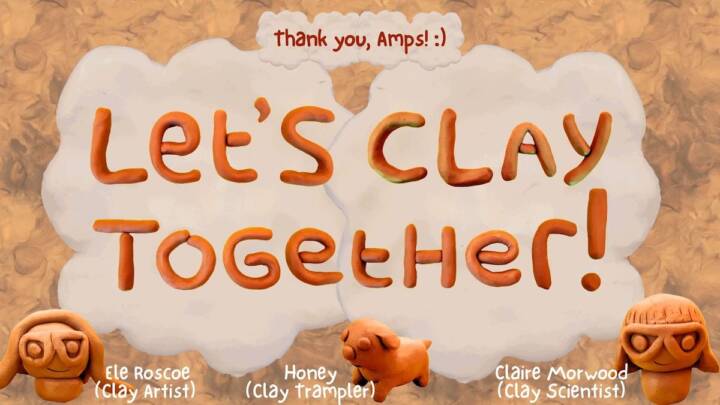
This year, the network awarded the fund to a project that seeks to bring the city together to reimagine Dundee through a clay-fest of collaborative world-building. In this blog, Ele and Claire share more about what they hope to achieve.
We believe it is vital to our collective well-being to create accessible playful spaces in our city, providing opportunities for people to connect, create, and have fun – so we’re inviting everyone to take part in a free weekend of collectively creating a shared clay world!
Let’s Clay Together! is an interactive sculptural installation where Dundee folk can drop-in and discover a landscape of clay and organic materials, which they are invited to shape, add to or take away from as the communally shaped scene evolves over the weekend. With participants offered a ball of clay and creative prompt, they’ll be encouraged to interact with Let’s Clay Together! in a variety of ways, from sculpting new additions for the scene, doodling drawings into a clay topography, or telling stories about the things they find there to add to a visitor’s board for others to see.
Ahead of the event, we will invite the Amps community on a short series of nature walks to collect natural materials such as twigs, leaves, shells and pebbles that will be used alongside clay in the public installation. Working with materials found across Dundee helps embed the project in the city and its landscape.
After the event, the collaborative clay landscape will be scanned with photogrammetry (a way of creating a 3D model that can be explored digitally) so that it can be shared online, to see how the installation evolved over the weekend. We’ll also distribute the reclaimed clay to community projects, sharing our resources from this project further across Dundee.
We love providing spaces for diverse cohorts of people to play and connect together! Our project is driven by play, collaboration, accessibility and sustainability, creating an opportunity designed with both the Amps community and the wider public of Dundee in mind. Clay is a very intuitive material to use, with no experience required in order to begin creating. We’ll be looking to use an accessible and free-to-enter space, such as a library, that is visited by people from a variety of backgrounds in Dundee.
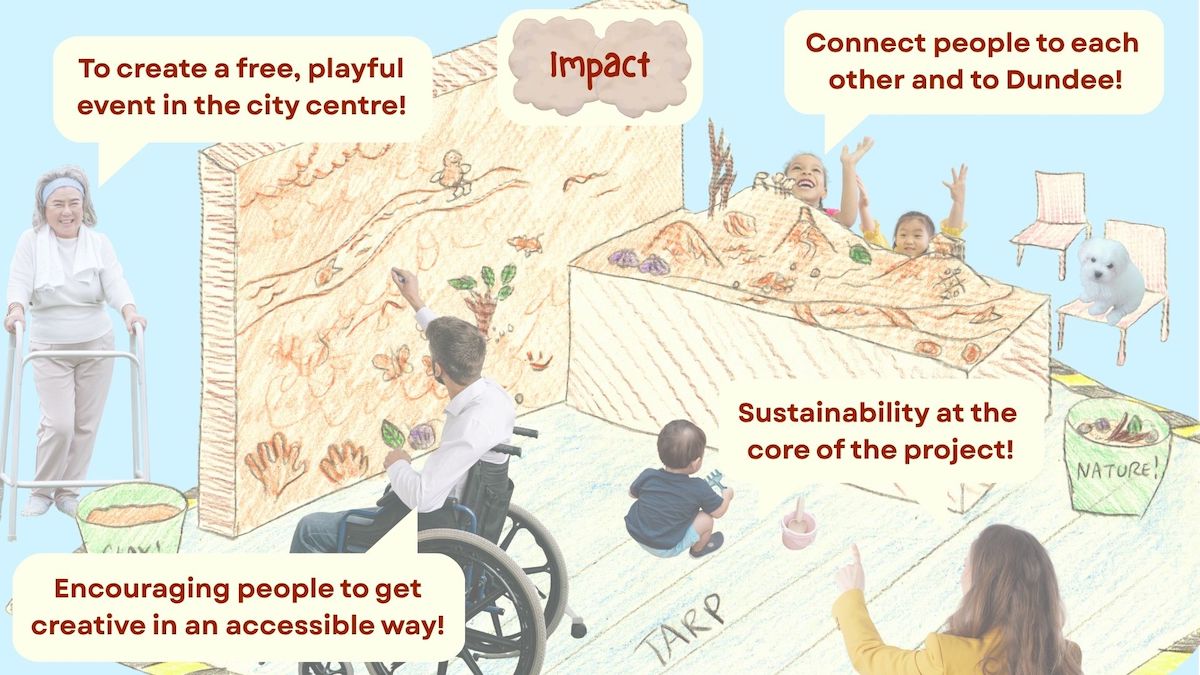
We hope that the impact of this activity will be to create a free, playful event that helps to connect people to each other and to the city by taking part in a place-based collaborative artwork. Let’s Clay Together!
We’ll share ways to get involved with Let’s Clay Together! over the coming months!
Ele Roscoe (they/them) is a maker and community artist, creating playful ceramic sculpture and jewellery, as well as illustrated self-published zines. As a community artist, they devise & host workshops supporting Dundee folks’ wellbeing & mental health through exploring individual expression in creative, playful ways. Ele is Tutor & Senior Technician at Dundee Ceramics Workshop, and supports creative projects at Dundee International Women’s Centre. Check their creative diary on Instagram.
Claire Morwood (she/her) is a self-taught game designer, programmer, artist and musician. She is also a member of Biome Collective in Dundee. In 2025 she released Asterism, an interactive music album video game set in space, which was developed with funding from Creative Scotland. She also worked on BAFTA-nominated Before I Forget with her company 3-Fold Games, a narrative exploration about a woman living with early-onset dementia. Claire is interested in games as a medium for creative personal expression, as well as accessible ways to play and design games. She has run many workshops and events around game-making and play, and creating experiences that encourage participation and collaboration.
This new collaboration was made possible through our Amps network’s Community Ideas Fund. Everyone in the network can choose which project they’d like to award the fund to at our annual Amps Forum – find out about the other amazing projects that pitched this year. This cash award is funded by Amps subscriptions each year – join Amps and help us make the fund bigger and better!

If you would like to support us in creating even better content, please consider joining or supporting our Amps Community.
Join UNESCO City of Design Dundee and book out your calendar with a fantastic array of events for Dundee Month of Design.
With all the design activity across May collected into one handy spot, the Dundee Month of Design programme showcases the many brilliant people who make design in Dundee special – from independent makers and studios, to the city’s museums and galleries.
Browse the programme online, add your own design events to the line-up, and get out and about to enjoy what the city has to offer!
The month includes:
If you would like to support us in creating even better content, please consider joining or supporting our Amps Community.
We’re so excited to return to Fabric – an informal peer-learning journey to share, reflect and imagine how collective action can shape a better tomorrow. Bringing together young people, creative practitioners, and youth and health workers, Fabric: Creating Care will explore how creativity, care and systems that currently support young people can be stronger, better shaped and more hopeful in Dundee.
In this blog, Anna Rooney takes us through the first session, ‘Safety and Belonging’, and reflects on her experience of a day filled with inspiring spaces, playful activities, and creative reflection.
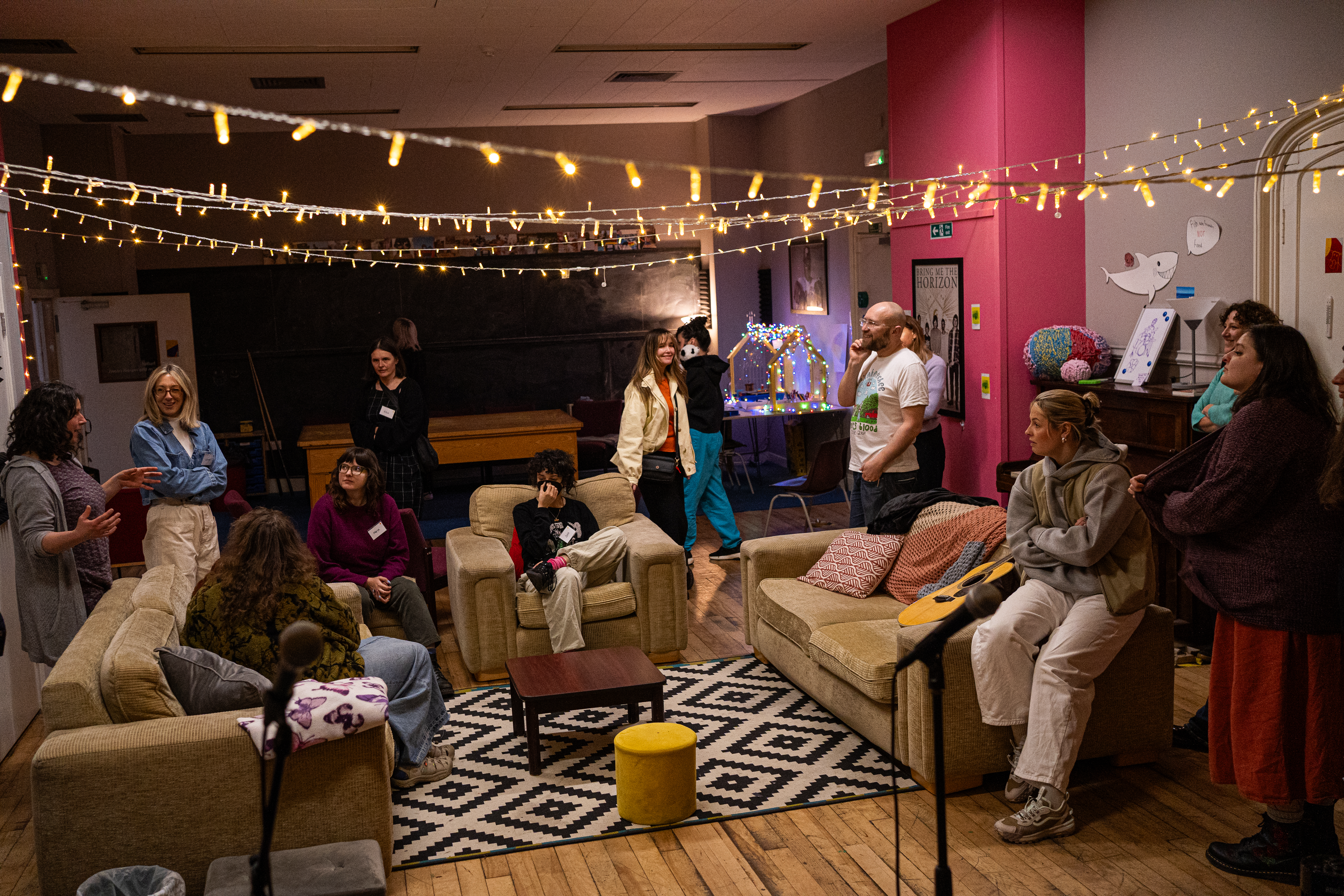
The first day of Fabric encapsulated its theme of ‘Safety and Belonging’ as we were warmly received by organisations and practitioners who are fostering community and support in Dundee. I met the cohort at Feeling Strong, Dundee’s charity for youth mental health support and felt right at home in their Art Room.
Claire began the day with an outline of Creative Dundee’s previous projects linked to creativity and mental health and established a framework to keep group discussions safe and confidential when sharing personal stories and experiences. Feeling Strong’s Recovery and Support Coordinator Emma guided us through the organisation’s different meeting rooms and private spaces, showcasing how young people are supported socially and emotionally through their events and groups like the drop-in cafe, Art Nights, and Stitch ‘n’ B*tch.
It was inspiring to hear about how the organisation is both run by young people and designed for young people, and how it provides access to support for their mental health outside of clinical settings. With projects like the Mental Health Manifesto, young people are encouraged to lead on decision-making and have been documenting their poor experience with treatment for mental illness in Dundee. In the past I have also felt frustrated and let down by the services that are supposed to provide the support for mental health recovery, and I relate to the young people who described a lack of concern given to those who are struggling but still performing well academically. The Manifesto has allowed young people to share their perspectives directly with the Scottish Government through this campaign and in discussions with Joe Fitzpatrick, MSP for Dundee West during their trip to Scottish Parliament last June.
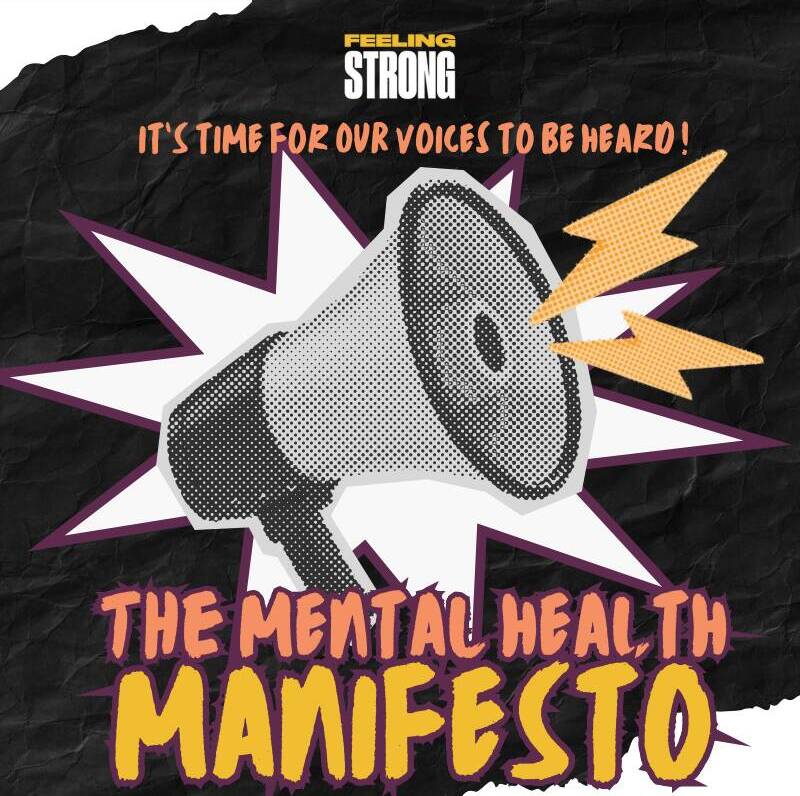
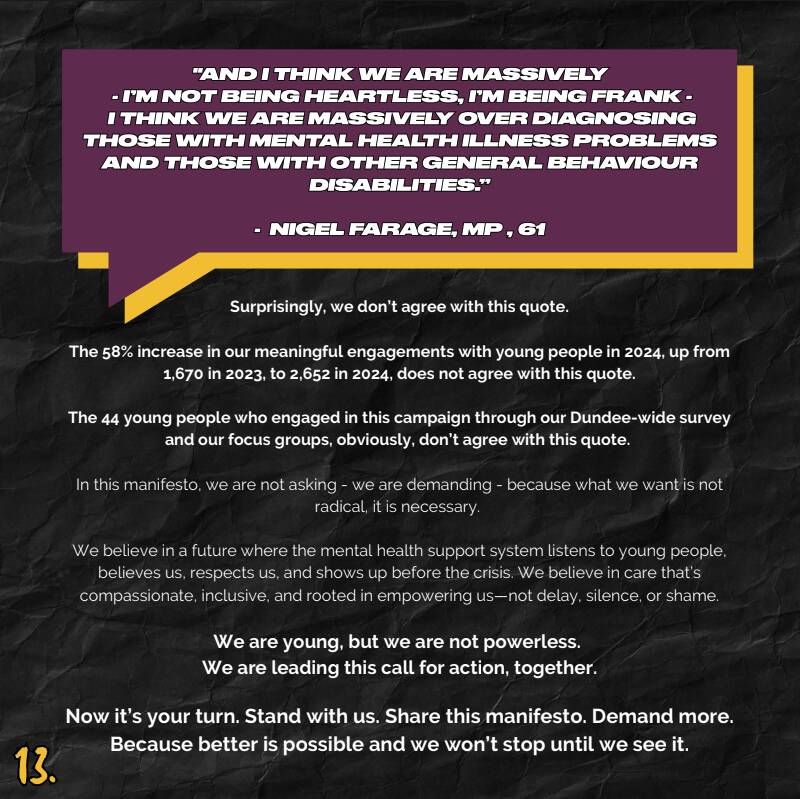
Excerpt from Feeling Strong’s Mental Health Manifesto
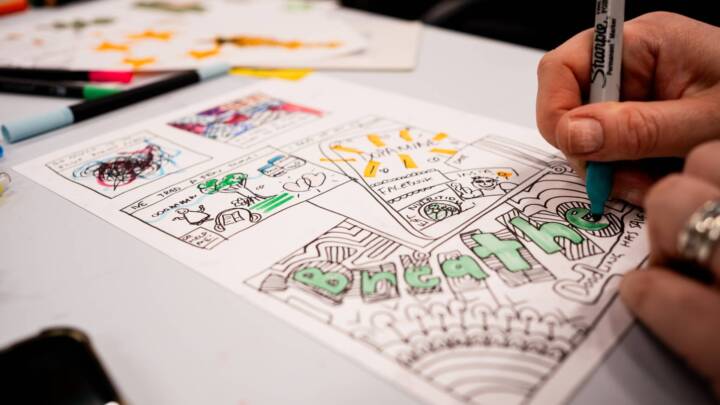
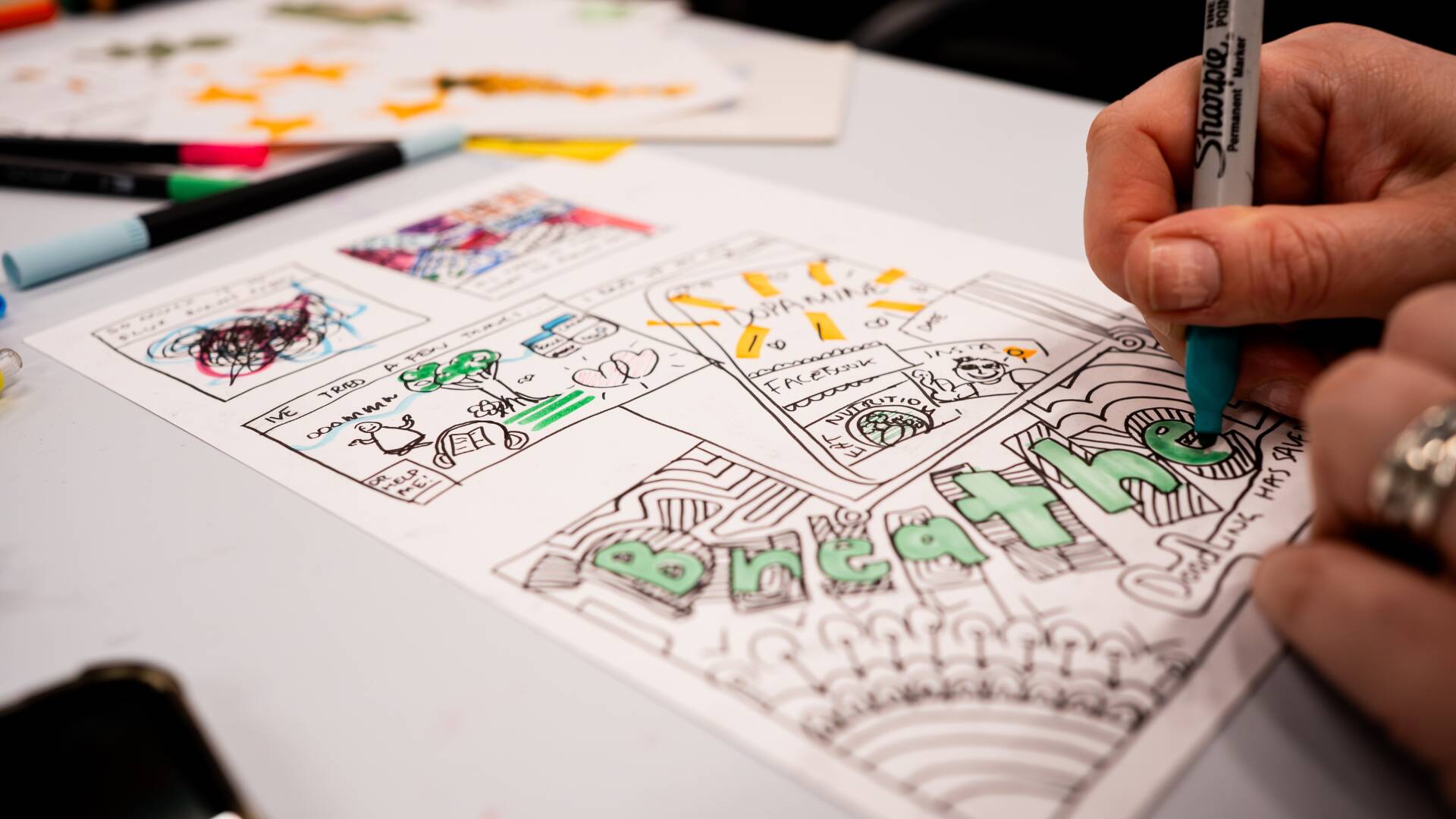
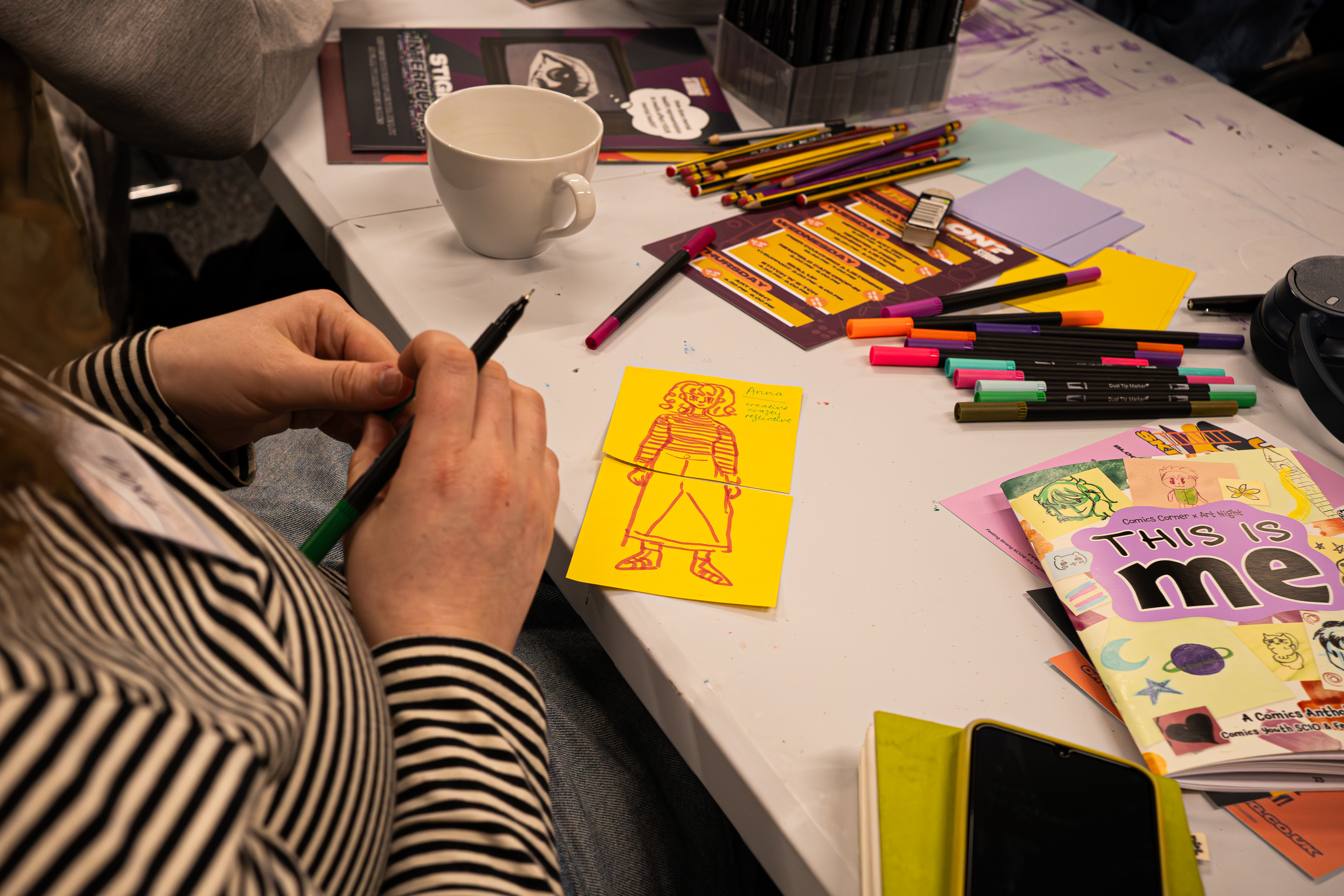
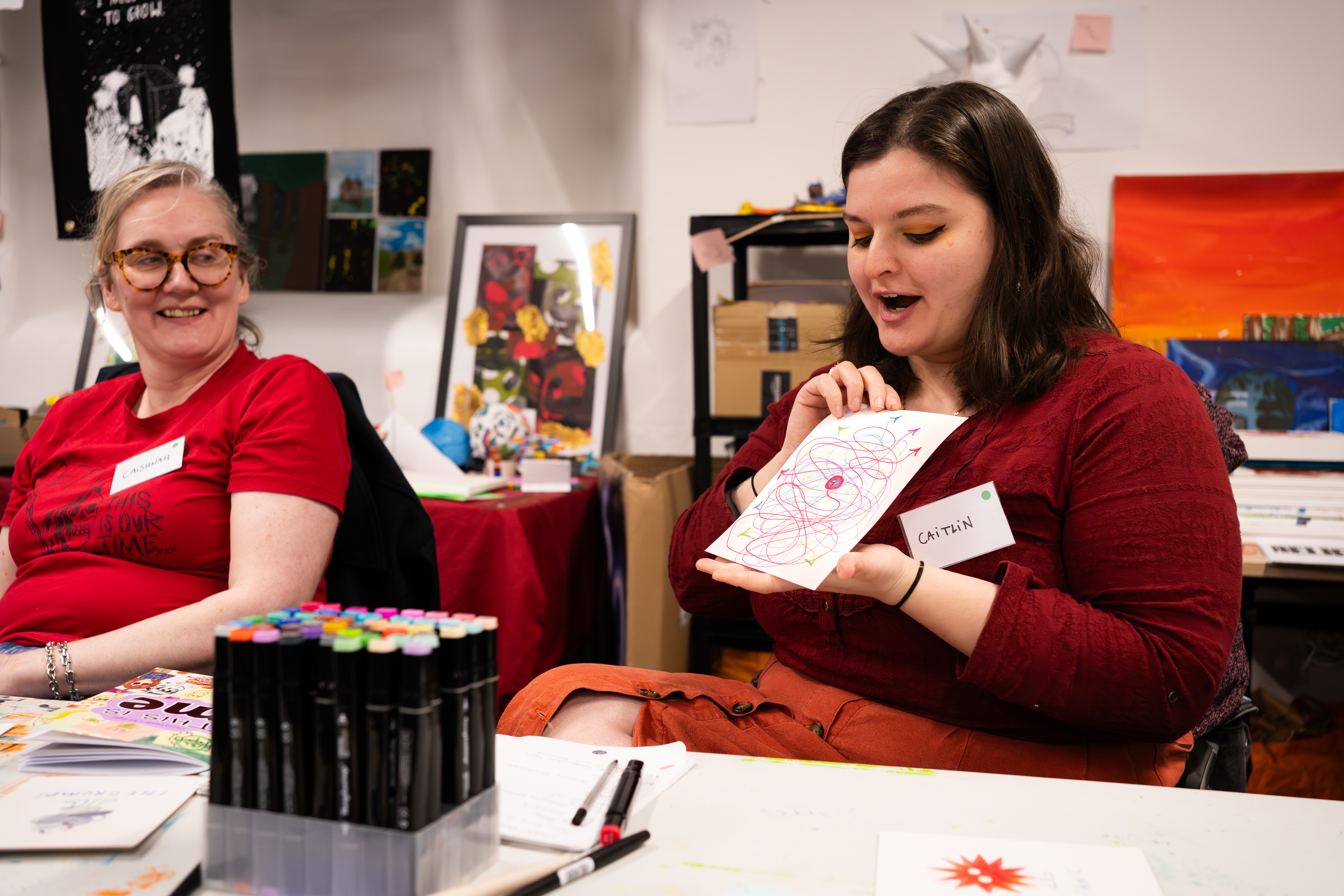
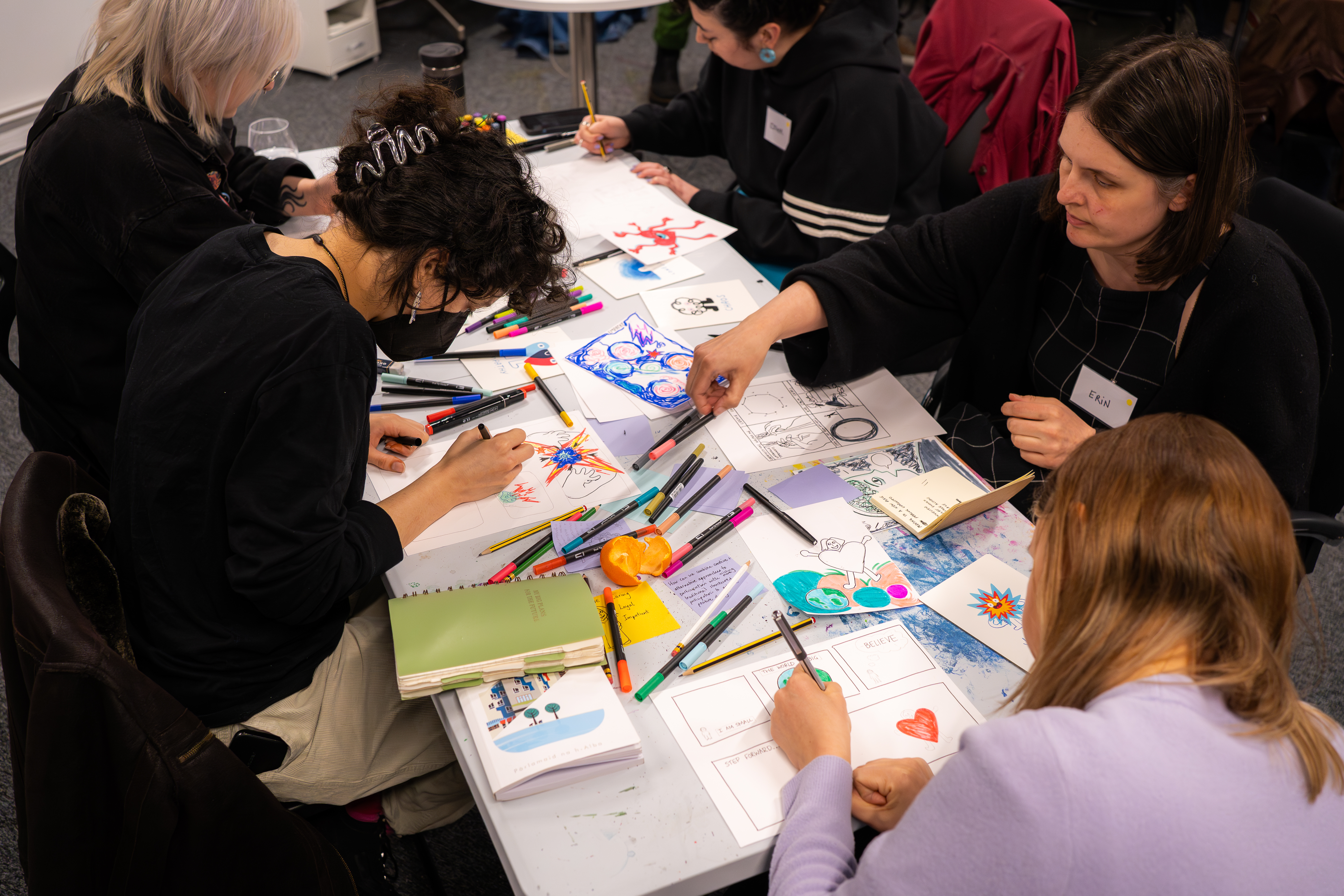
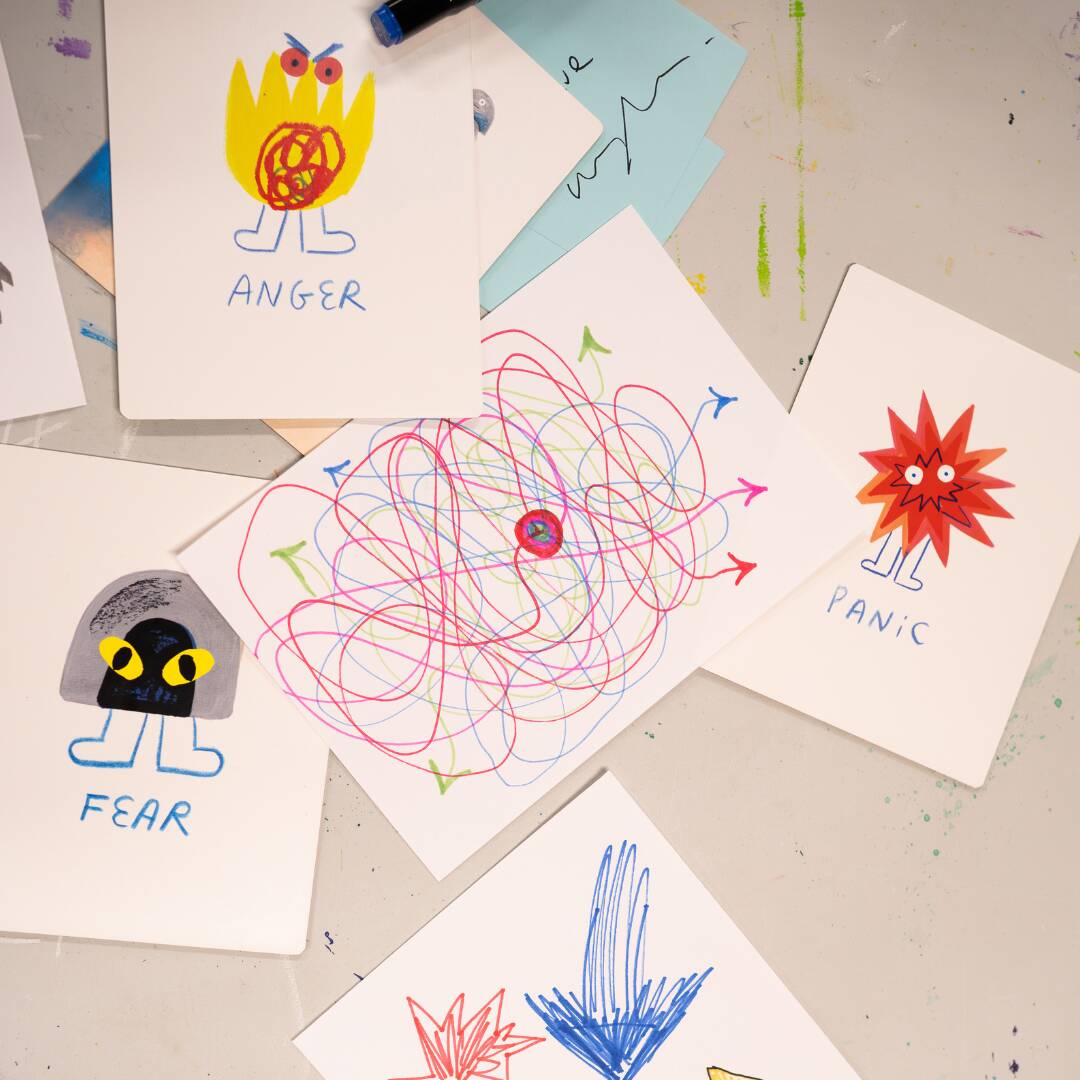
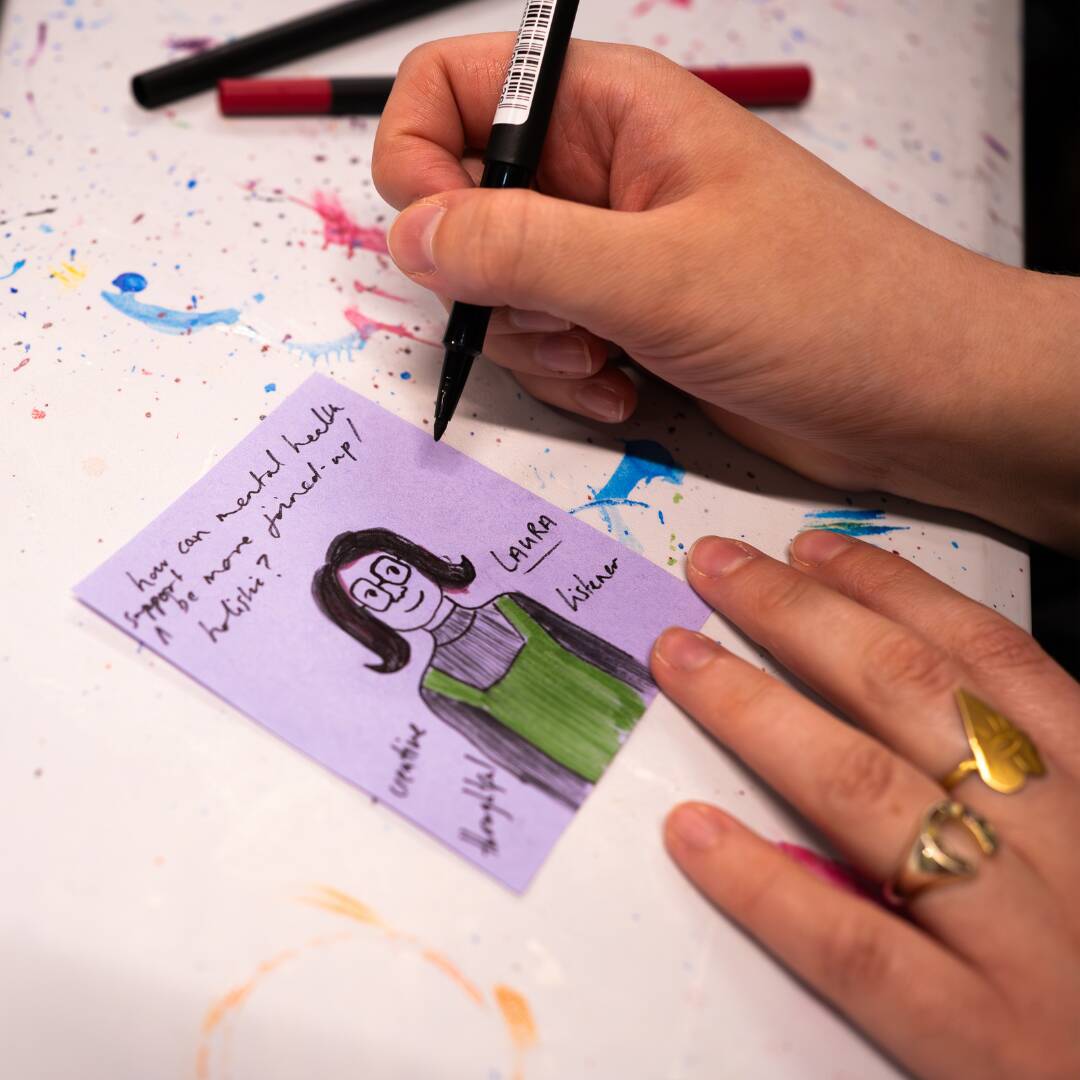
Our morning at Feeling Strong continued with hearing from Rebecca Horner and Calum Rennie from Comics Youth SCIO, a charity supporting young people’s confidence and creativity through comic-making. First we doodled self-portraits, listing three words to describe ourselves – I wrote ‘crafty, reflective and effervescent’ – and a question we were bringing forward to the Fabric journey. My question was centred around reflecting on how art and creativity can help to support us during difficult times, and through the next exercise with Rebecca and Calum, we explored how to visually express emotions with coloured marker pens and a pack of ‘Feelings Flash Cards.’ I depicted the feeling of hope, and together we shared reflections of our personal relationships to other emotions like fear, empathy, the blues and even the feeling of getting the giggles.
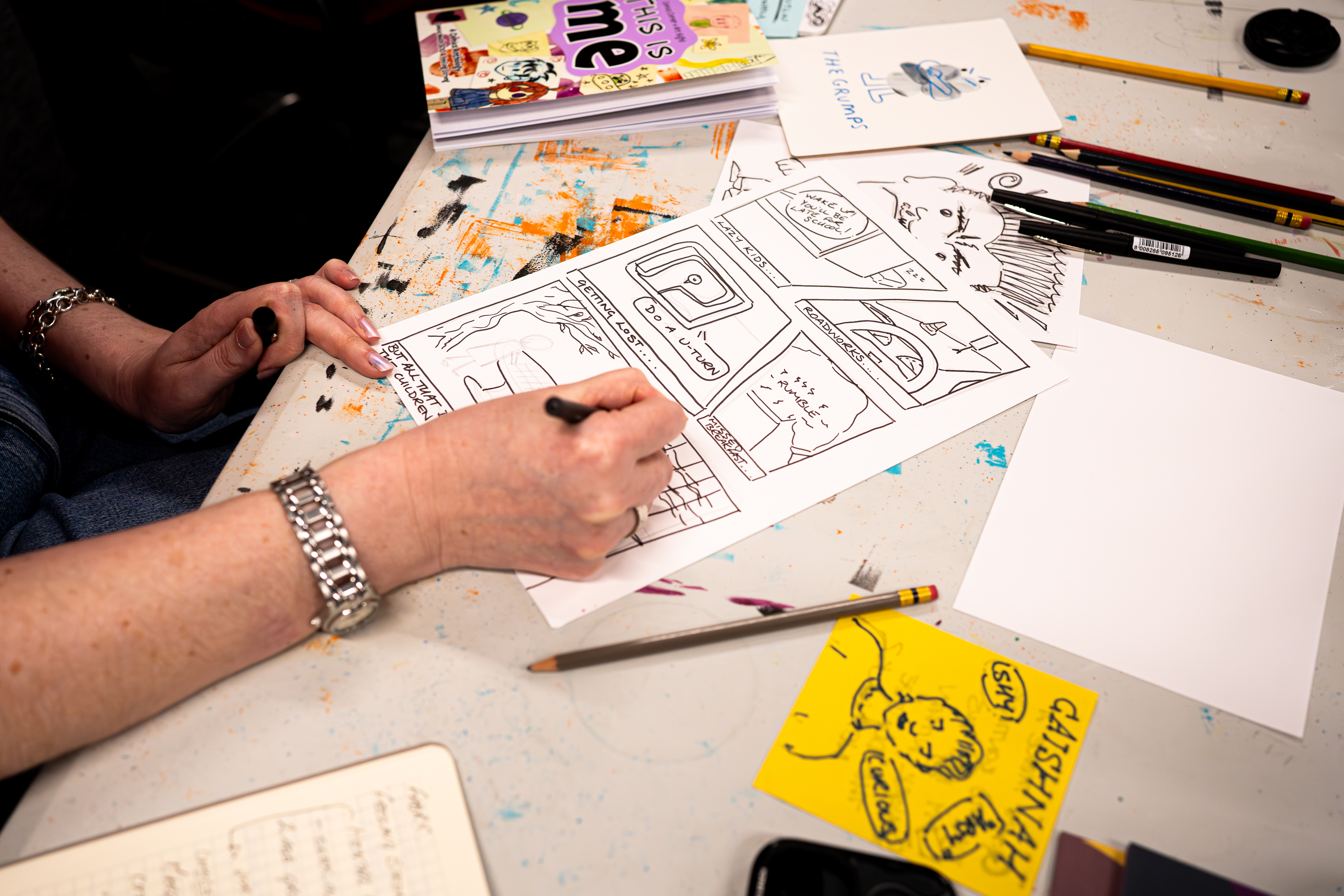
The session continued by expanding our drawings into one-page comics where we illustrated a time where creativity helped us to navigate an emotion. While we drew there was a mix of discussion about the challenge of expressing yourself through the medium of comics but also about how enjoyable it is to sit and colour with marker pens.
Lunchtime gave us the opportunity to connect with each other, with Claire encouraging conversation around spoon theory – a concept that describes how we manage energy levels. Spoon theory was established as a way for people with chronic illness, pain or disability to describe how they manage their energy resources, and over delicious food we spoke broadly about what drains us, what replenishes us and also what we can do to support each other.
We were then welcomed by Andy Robertson to Hot Chocolate Trust – a youth work organisation that provides a community and space to the young people in Dundee’s city centre. We gained an understanding of the importance of the space through a fantastic short video where young people described Hot Chocolate in their own words, where descriptors such as ‘inclusive,’ ‘cozy,’ ‘family,’ and ‘bodacious’ were the highlights.
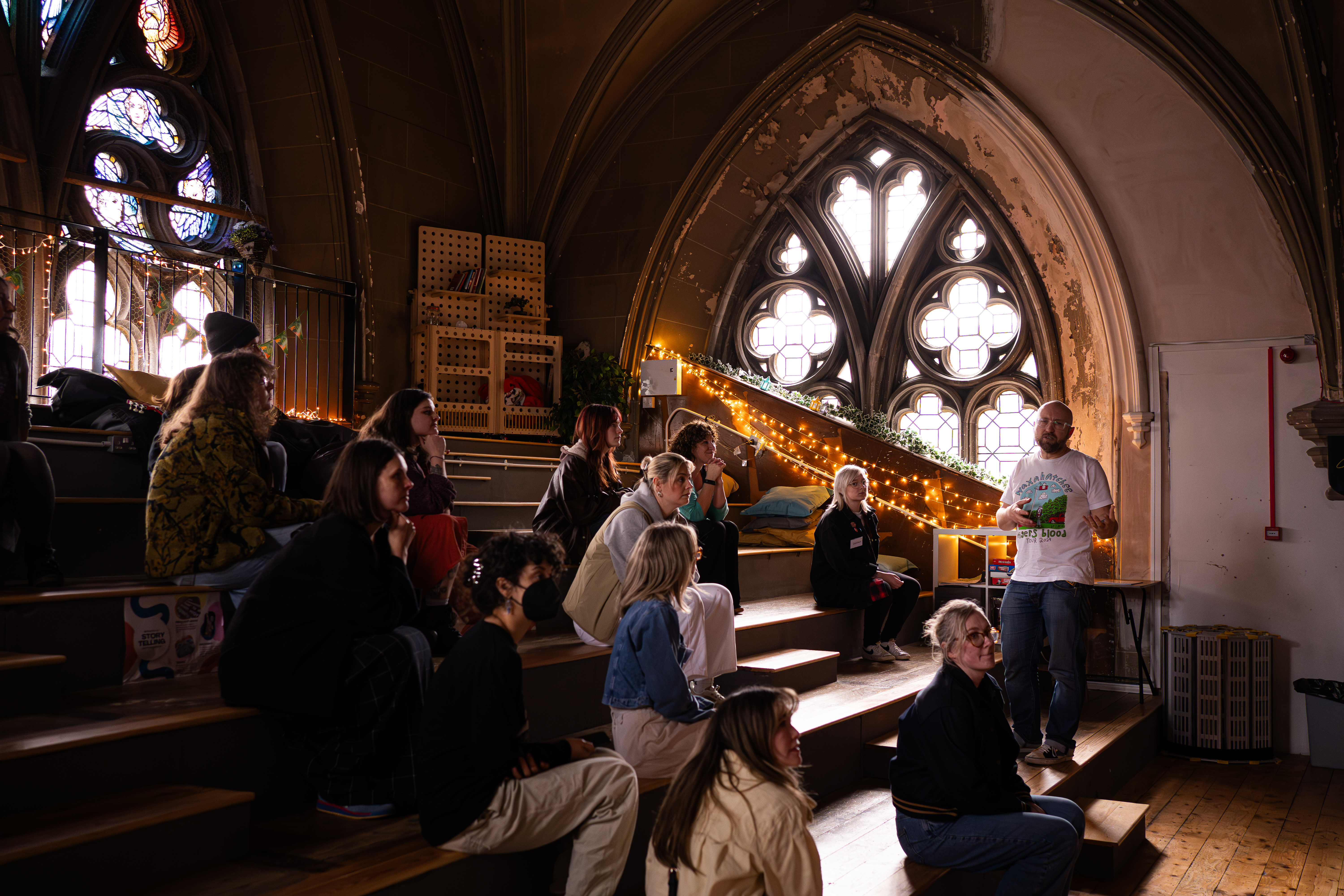
Following on from witnessing the support for young people, clinical psychologist (and fellow Fabric cohort member) Lucy Paterson introduced us to her work in Cognitive Analytic Therapy (CAT) and Internal Family Systems (IFS), and how she is supporting the staff at Hot Chocolate Trust. We explored the use of models in CAT and IFS, looking at the rules and boundaries present within wider systems and dynamics in place via a dance floor metaphor. Lucy suggested that by looking deeper at or disrupting behaviours or rules – like changing the music or using different dance moves – we can create a ripple effect of wider change across a large scale.
The next exercise involved mapping out on paper how we view ourselves and our internal worlds as the floors of a house. With each room or level we explored different parts of the self, representing your interpersonal or public-facing identity as the living room and your intrapersonal world as the more intimate upstairs space. The attic was used to explore the self you are aspiring towards and was contrasted with the parts of ourselves we dislike and would rather keep hidden in the basement. Lucy encouraged us to approach this self-reflection with the IFS idea of ‘No Bad Parts’ and invite each element around the kitchen table, embracing each room of your house as a part of who you are.
I later reflected on the experience with a couple of other Fabric participants, sharing how we each view ourselves and how it differs to how we see each other. I think the approach of ‘No Bad Parts’ really helps us to be kind and considerate. If we choose to accept the parts of ourselves we view as undesirable or unhealthy with curiosity and compassion, we can be more empathetic and understanding towards others. Lucy’s ideas not only resonated with me personally but also when considering my role as a creative practitioner. When working with varied groups and individuals, the only way to make people feel safe is to accept them as they are, and remember that we all have our own living rooms, upstairs, attics and basements within.
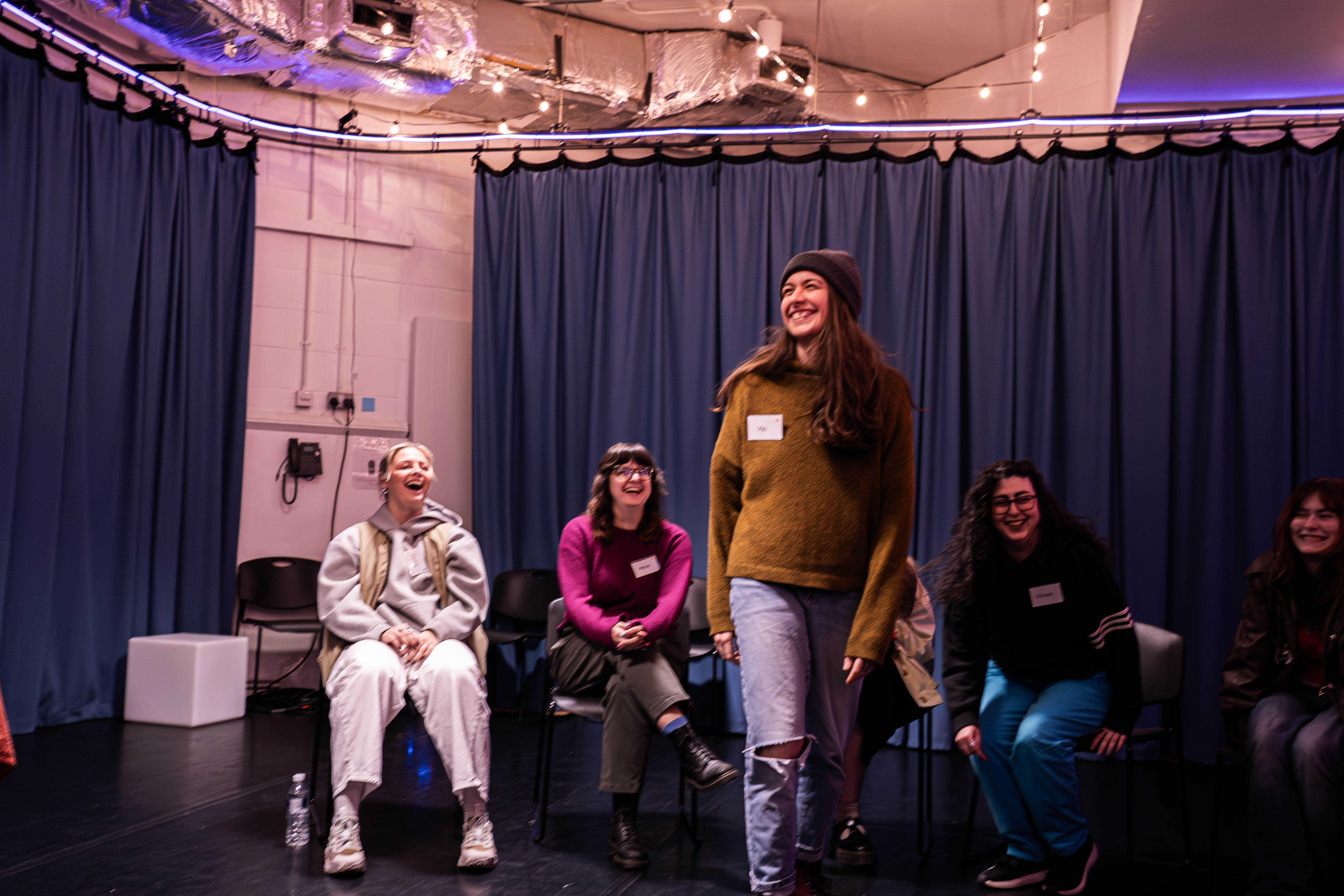
We finished the day with a playful introduction to drama therapy from Amanda Lowson, a Creative Practitioner at Dundee Rep. Amanda explained how her different roles at Dundee Rep have changed in her over thirty-year career and how the drama therapy service is helping others to support their mental health and wellbeing through drama and movement.
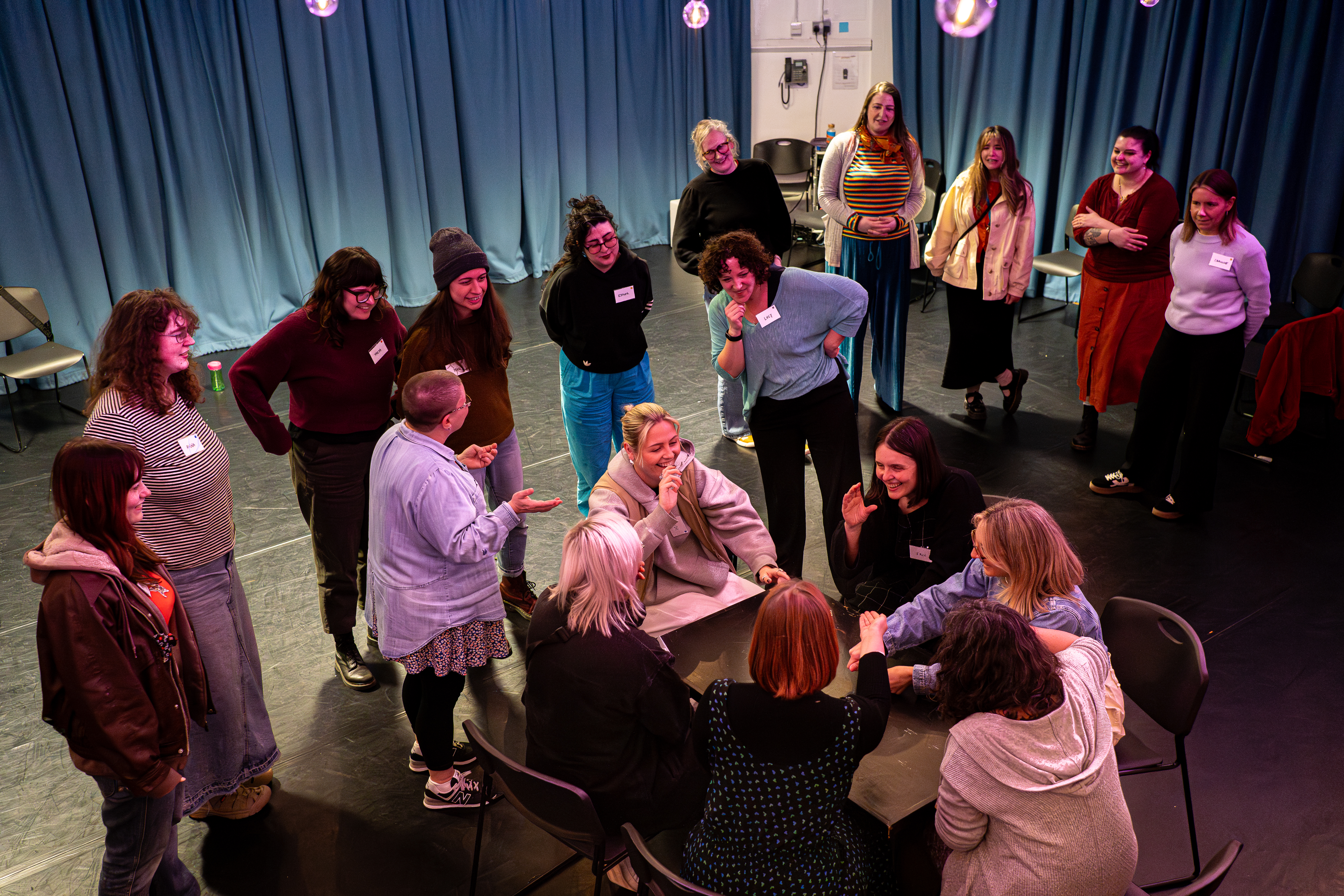
The activities varied from a lively game similar to musical chairs to a charades-esque exercise where we worked in small groups to mime different ideas. I enjoyed how Amanda kept the session light-hearted and fun but also encouraged us to open up in a way that felt natural and share ideas about what makes us feel like we belong. As someone who is more reserved, I initially felt nervous to participate in a drama activity, but through Amanda’s inclusive approach I felt like I got to know the Fabric group better and see firsthand how drama therapy can help myself and others with confidence and self-expression.
The first day of Fabric has been a really valuable experience where I’ve learned a lot about different approaches we can take towards mental health for ourselves and others. It’s been great to see the role creativity can play in enhancing wellbeing and the ways in which organisations and practitioners are building systems and services that support young people in Dundee. I am excited to take each perspective and foster collaboration and connection within the Fabric cohort in future sessions and in my own projects beyond!
Anna Rooney is a visual artist working primarily in textiles, drawing and painting. After graduating with a degree in Textile Design in 2024 from DJCAD, her practice has formed to reflect a search for connection, solace and belonging within the natural world as she captures its cycles of growth and decay. Alongside her studio practice, she delivers art and nature based workshops around Dundee with a particular focus on wellbeing and mental health.
Lucy Paterson is a clinical psychologist in Dundee, with a particular interest in patterns, relationships and how people are connected to and supported by the systems around them. She’s excited to step into a space where we can think together — creatively and collaboratively — about what care for young people in Dundee could be.
Sara Oussaiden is an artist, researcher and community practitioner based between Dundee and the Isle of Skye. Awarded the NHS Tayside Star Award in 2025 for volunteering as an art tutor in Dudhope’s Young People’s Psychiatric Unit, she works across community and learning contexts, using creative practice to support confidence and connection in youth communities.
Michael Richardson is a Mental Health Engagement Worker at Dundee Volunteer & Voluntary Action. He aims to amplify lived experience voices across Dundee and work to ensure they are heard at a strategic level. Outside of work, he is very involved in the local running community, and is often found visiting local cinemas.
Caitlin Gibson is a Literature and Film Studies graduate who is interested in using storytelling mediums to explore identity, and as a tool for the expression of complex emotions, not only for the creators, but for the consumers through analysis and discussion. She wants people to feel empowered to challenge social expectations of themselves and not get trapped by the traditional ‘markers of age’. She’d love to incorporate these ideas into community based action.
Mel Kalkan is a visual artist interested in exploring playful approaches to practice self-expression, connection, wellbeing, and care — particularly in a community context. She’s so looking forward to joining the Fabric cohort to learn more about the amazing things happening in our city and beyond.
Kara Ramsay is passionate about creative approaches to care, communication and community. She’s really looking forward to connecting with others, learning from different perspectives, and exploring how creativity can shape safer, more supportive spaces for young people.
Laura Moorhouse is a disabled arts worker. Her practice explores rest, care, and creative/complicated accessibility. As an emerging artist, she’s learning to prioritise flexible, comfortable ways of making.
Eilidh Macleod is an advocate for people and creativity, working across the city as both a youth worker and a designer at V&A Dundee. Her practice brings together design thinking and human-centered approaches to better understand and respond to complex, interconnected challenges. She’s particularly passionate about empowering young people through craft and supporting the development of thriving, resilient communities.
Lauren is a community artist, designer, storyteller and project coordinator with 20+ years experience in creative education, youth work and both narrative and documentary filmmaking. Let’s make something amazing happen!
Ben Douglas is a Creative & Digital youth worker at YOUth Space Fife, with a background in documentary, street and event photography. He believes that nosiness is a skill and his practice is built on the ethos of the participant leading from the front. Everyone is creative and should be able to express themselves. I see it as my job to make sure young people know this and are given the best environment to explore that creativity.
Caishnah Nevans is a visual artist inspired by music and works around the ways in which creativity and music can impact mental health. Having explored these in her own projects with mental health charities in Glasgow she is looking forward to exploring them further in Dundee.
Erin McGrath makes comics as a way to reflect on and tell personal stories. Her practice is informed by her experience as a psychotherapeutic counsellor and she’s interested in developing a collective voice within my work.
Natasha Clarkson is a textile designer whose interests sit across design, psychology, mental health and community care. Influenced by both formal study and a strong family background in textiles, she’s interested in how creativity can support wellbeing, connection and a sense of belonging. Her perspective is shaped by both making and a desire to contribute to more caring systems and spaces.
Esther Farrell supports young people with their mental health and other complex needs, helping them build relationships and confidence in their lives and abilities in her role as Senior Youth Worker (Complex Needs) at Hot Chocolate Trust. She is passionate about amplifying young people’s voices and using creativity as a tool to connect and empower young people in our community.
Quintana Beattie is an aspiring designer who likes helping and supporting others. I enjoy working with textures and mixed media for an interesting and unique approach.
Paige Wood is an artist originally from Glasgow who has lived in Dundee for around six years. After graduating from DJCAD, she developed a strong passion for supporting young people in Dundee, helping them grow and feel supported in whatever way works best for them. She is excited to take part in Fabric, further develop her knowledge, and share her experiences with others.
Kirstie Small is a Textile artist inspired by learning practical skills and developing personal creativity and learning through Art and Design. She has explored subjects such as multicultural Scotland, Garden futures through creation of textiles and has been looking into Art and Design teaching and prioritising craft and Art in schools with my contextual studies.
Sofia Calmeiro-Arguello is a 2nd year art & philosophy student organiser at DJCAD and young person of colour from Dundee, seeking to develop her understanding of how art can effectively sustain us and benefit our communities – a practice she’s learning from working-class, QTBIPOC writers, organisers and world-makers. She believes when we have been dehumanised, creating a space that allows us to humanise each other is incredibly powerful. It is a power that can sustain the building of a liberated world and healthy planet, which is so important for our wellbeing and future. She’s excited to meet and learn from people who are finding ways to make that difference in Dundee.
Laura Cooney’s work focuses on improving young people’s wellbeing and helping make mental health support meaningful and accessible. She enjoys using creativity to communicate ideas, connect with young people, and support them to thrive.
Kate Smith works in the Participation and Communities Team at the Scottish Parliament, helping ensure diverse voices and lived experience inform decision-making. Originally trained in visual art, she later worked in volunteering, employability, and community development. Kate is passionate about democratic rights, equality, and inclusion.
Caroline Kingston has a third-sector background and just joined the Scottish Parliament’s Participation and Communities Team. She has extensive experience in advocacy, supporting individuals detained under the Mental Health Act and helping people with learning disabilities engage in law and policy development to realise their human rights.
Freya Barcroft is part of the Creative Dundee team, leading their digital work and spotlighting the creativity that shapes Dundee. With a background in literature and children’s publishing, she is particularly passionate about young people’s access to art and creative spaces, and is a firm believer in the life-changing power of storytelling.
Fabric is led by Creative Dundee, and delivered in partnership with healthcare, community and creative organisations, with support from the Participation and Communities Team at The Scottish Parliament, as part of Creative Minds – a creative youth mental health project designed by Creative Dundee with project funding from NHS Tayside Charitable Foundation.
If you would like to support us in creating even better content, please consider joining or supporting our Amps Community.
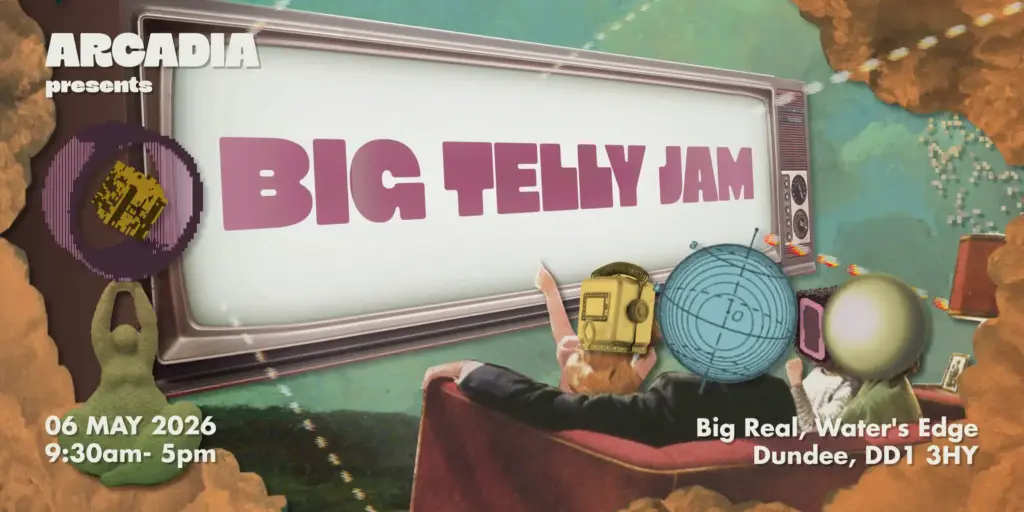
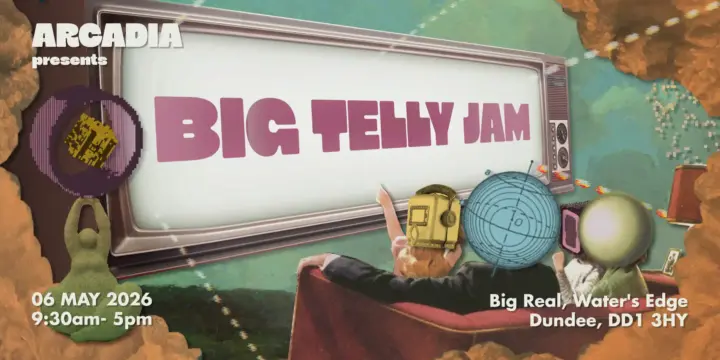
Biome Collective and Arcadia are hosting Big Telly Jam on Wed 6 May – a one-day collaborative workshop designed for artists, game designers and creative technologists to explore creative technology, digital art and immersive experiences.
Big Telly Jam invites participants to dive into creative technology and playful media, with opportunities to learn more about virtual production in an open and supportive environment. Whether you have an idea you want to test or are simply curious about what can emerge from creative collaboration, this is a great opportunity to explore, experiment and connect.
No prior experience in virtual production, immersive media or games is required. The event is open to emergent artists, game designers and creative technologists from across Scotland who are interested in sharing ideas and exploring new possibilities within the CoSTAR Realtime Lab facilities.
When: Wed 6 May 2026, 9:30am –5:00pm
Where: Big Real, Water’s Edge, Dundee DD1 3HY
Tickets: £10
A limited number of paid participation places and funding to cover access costs are available for those who require financial support to attend.
The Big Telly Jam has been produced by Biome & pals: Malath Abbas, Susie Buchan, Laura McSorley, Darshana Jayemanne, Tom deMajo, Claire Morwood, Ewan Fisher & Emily Koonce. Partners include Biome Collective, CoSTAR: Realtime Lab, Abertay University, Creative Scotland, Immersive Arts UK and UNESCO City of Design Dundee
Big Telly Jam is supported from the National Lottery through Creative Scotland.
If you would like to support us in creating even better content, please consider joining or supporting our Amps Community.
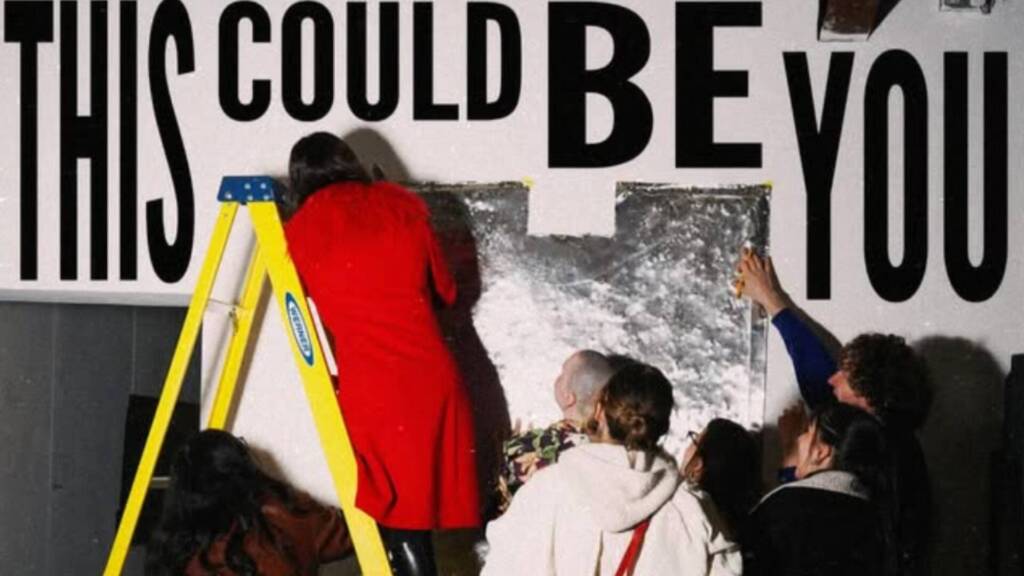
Generator Projects are currently seeking new members for their Operational Committee to help lead the day-to-day running of the exhibition space and events and exhibition programming.
The committee is non-hierarchical with a 2-year tenure for all members to help ensure a fresh and dynamic approach for the artist run initiative. A commitment of around 8-16 hours of work per week is expected and, as a lot of on-site working is required, applicants must be based in Dundee or the surrounding area.
Committee roles are fluid and changeable across the tenure and, at this time, Generator have not designed specific roles for new applicants to fill. They especially welcome applicants from a variety of life stages and professional experience, and while recent graduates are welcome to apply, they will be prioritising applications outwith this cohort.
Email mail@generatorprojects.co.uk with your CV and an expression of interest of no more than 200 words. Any questions about the opportunity, can also be sent to this address prior to application.
Application deadline: 23:59, Mon 27 April 2026
Generator Projects is a Dundee based artist-run initiative founded in 1996 by Paul Liam Harrison, Andy Kennedy and Caroline McIntee. As a volunteer organisation, they facilitate a varied cultural programme of exhibitions and events. They are committed to highlighting the importance of grass roots activity and its integral role in developing the careers of emerging artists.
If you would like to support us in creating even better content, please consider joining or supporting our Amps Community.
Creative networks give form to what happens when we connect: building relationships, knowledge sharing, mutual support and strengthening the collective. Acting as vital catalysts for collaboration, collected agency and future making, they reinforce not only their direct communities but our places, creative ecosystems, economy and society.
Beyond rippling benefits for people and place, creative networks can challenge the existing systems that limit and separate us – rebuilding them through alternative influence, visibility, equitable practice and infrastructures of care.
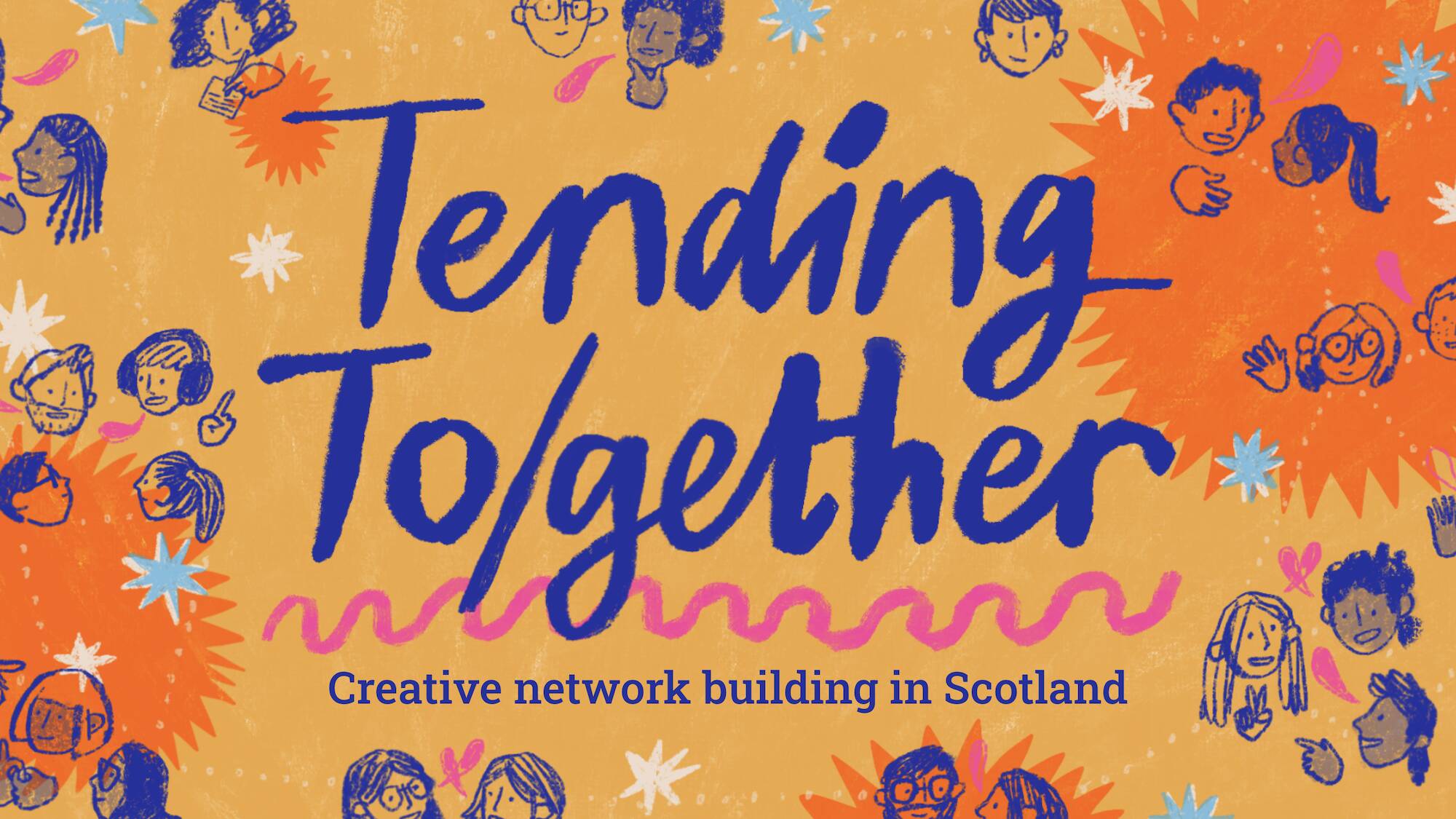
Tending To/gether is a one-day participatory forum, gathering creative network builders and those interested in collective ways of working to spotlight impact, exchange knowledge and platform the critical role that creative networks play in our cultural ecology and beyond.
Tending To/gether: creative network building in Scotland
Date and time: Wed 3 June 2026, 10:30am–5:15pm
(doors open at 10:30am for tea/coffee, event begins at 11:00am)
Venue: Apex City Quay Hotel, 1 W Victoria Dock Road, Dundee DD1 3JP
Tickets are free and a vegetarian/vegan lunch is included.
Tickets are limited – please be sure to book to attend.
Through short talks, resources, conversation and exchange, Tending To/gether will spotlight and champion the intrinsic value of creative networks. We’ll be exploring impacts, knowledge exchange, advocacy and avenues for support alongside the opportunity to connect with peers and encounter new perspectives around creative network building.
You’re welcome to join us from 10:30am, with time to grab a hot drink and settle into the space ahead of being seated for a welcome at 11:00am, followed by hearing from guest speakers. We will pause for lunch for an hour at approximately 12:45pm before an afternoon of activity that includes guided exchange, small group discussions and a 15-minute break at 3:45pm. The event will end at 5:15pm.
If you arrive before 10:30am, the hotel’s reception area has comfortable seating and is located next to the event space.
A full agenda, with timings and speakers, will be shared in May.
Our event will take place in Apex City Quay Hotel‘s main event space – this is located on the ground floor with step-free access into the venue. The room is a large open space – half of which will be set-up theatre style for listening to speakers, and the other half with smaller tables for lunch and group discussions. We will have space for up to 80 attendees.
Alongside breaks, there will be built in transitions throughout our schedule. Attendees are welcome to move in and out of the space as they please, and space on an upper floor can be made accessible for those seeking a quiet room. People are welcome to sit anywhere within the event space they feel most comfortable, even if it is not where people are being guided to sit.
Gendered toilets are located at the entrance to the event space – there is an accessible toilet within each of these spaces.
More information about access at Apex City Quay Hotel is available via Euan’s Guide and AccessAble.
If you have any access or dietary requirements you would like us to know about ahead of the event, there will be an opportunity to share this with us when booking your ticket, or you can email jen@creativedundee.com.
Our venue is located centrally in Dundee, close to the waterfront – approximately a 10-minute walk from Dundee Railway Station, six-minute walk from Dundee Bus Station and five-minute walk from Dundee’s Ember Bus stop (at average walking pace).
For those travelling by car, there is free parking for attendees during the hours of the event, but this is on a first come, first served basis. For those travelling by bike, there is a bike rack by reception that is available on a first come, first served basis.
We have a limited number of travel bursaries for up to £50 per person available, to support people who may otherwise be unable to attend the event. These bursaries aim to support freelance practitioners and/or those who lead/facilitate creative networks on a voluntary basis, and can be used to contribute to or cover your travel for the event within Scotland.
Bursaries will be allocated on a first come, first served basis until funds run out, so we encourage you to submit a request for a bursary as early as you are able to. This page will be updated when all funds have been allocated.
Please note that bursary recipients will be reimbursed after the event, in exchange for valid receipts for travel expenses.
To submit a request: please email jen@creativedundee.com with the subject line ‘Tending To/gether travel bursary’ in the subject line. We’d be grateful if you could share a breakdown of anticipated expenses, and clarify whether you are a freelance practitioner and/or you lead/facilitate a creative network on a voluntary basis.
If this bursary would support you in attending this event, then please do feel welcome to get in touch – we want your voice in the room and these funds are available to enable folks to take part in this event.
We will be taking photos during the event. If you would like to opt out of featuring in photos or ensure your image is not publicly shared, please speak to a member of the Creative Dundee team on arrival.
This event has been informed by the learnings of Create:Networks 2024/25– a fund developed in 2019 by Creative Scotland, with 2024/25’s iteration designed and delivered by Creative Dundee, supported by Scotland’s Creative Networks.
The fund resourced both new and established local creative networks in Scotland to explore ways to build, grow and sustain themselves. Nine recipients were funded to create a 12-month programme of activity for their community, designed to enable creative practitioners and businesses to develop sustainable practices, and to explore their own structures of sustainability.
An evaluation report exploring reflections on, learnings from and impacts of Create:Networks 2024/25 will be published in May 2026. This report was researched and written by freelance practitioner Kathryn Welch.
The Create:Networks 2024/25 fund and evaluation, and this event, are supported by The National Lottery through Creative Scotland.
If you would like to support us in creating even better content, please consider joining or supporting our Amps Community.
Subscribe to our monthly News Mail Out for more events, features, opportunities and exciting content from Dundee!
If you would like to support us in creating even better content, please consider joining or supporting our Amps Community.
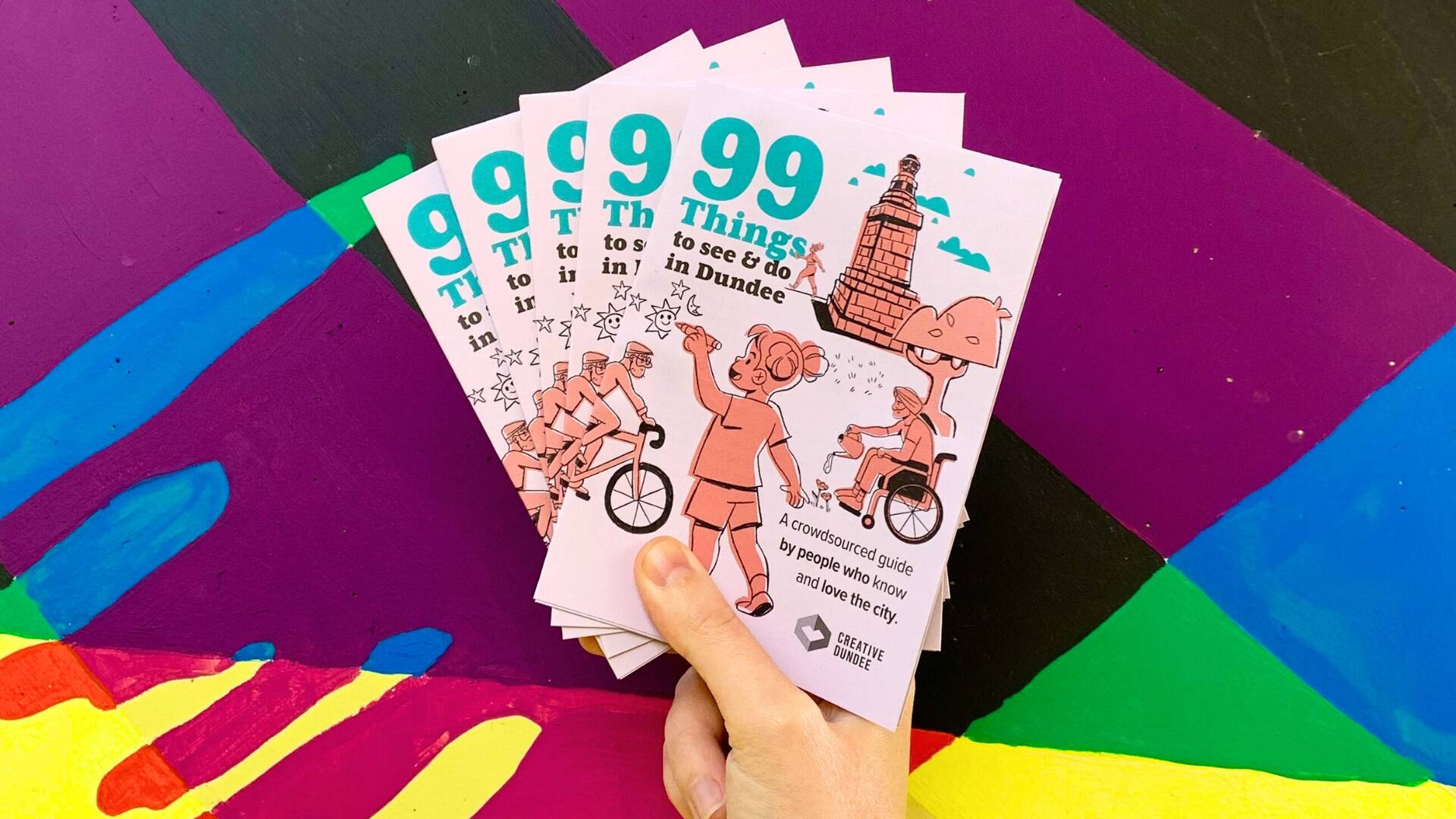
We’re thrilled to say the 99 Things to See and Do guide to Dundee will be back for 2026! As ever the free guide is created by crowd-sourcing ideas from people who live here, know the area and love it and we’d love your thoughts on what to include.
This year we’d like to hear about what’s new to you! We’ll still make sure to include the big Dundee landmarks and perennial spots, but we’d love to know about the spaces, places, events, community groups, workshops (and more!) that you’ve discovered or reconnected with since 2023, when our last guide was published.
Your recommendations could include your new favourite places to: take kids; experience culture, live music, community and sports; learn new skills; take photos; gather with friends; enjoy the great outdoors or take in the sights.
To help share more of the Dundee love in 2026, we’re also asking for your stories of a place or experience from the last few years that has helped you connect to the city – shining a spotlight on what makes Dundee special.
Share your views and stories before Thu 30 April!
Thank you!
The 99 Things guide is a free guide distributed by partners across the city, and will be available early June 2026. If you are in a position to support the production of more copies, we’d love to hear from you – please contact us to discuss.
If you would like to support us in creating even better content, please consider joining or supporting our Amps Community.
Spring brings a chance for our Amps network to get together at a fun, friendly evening of connecting and community at our annual Forum.
This social evening is a highlight of our Amps calendar, with opportunities to catch up with old friends and meet new supporters of the network. With our usual relaxed and welcoming vibe, we’ll host space to chat, connect, and hear from all of the projects pitching for this year’s Community Ideas Fund.
Each team of Amps will share their collaborative idea, then everyone can choose which project should be awarded the fund of £2,500 to enable it to come to life – and the fund exists thanks to the subscription fees of our Amps community!
Want to join the Forum from the comfort of home? We’ll be streaming the pitching portion of the event on Zoom in order to include Amps who want to vote but are unable to attend in person. Please book a ticket and we’ll provide a link just before the event.
Wed 22 April 2026, 7:00–9:00pm
Centre for Entrepreneurship, University of Dundee, Unit A, 75 Old Hawkhill, Dundee DD1 5EN
We will be able to welcome you into the space from 6:45pm
Please note: our event officially ends at 9:00pm, but you’re welcome to join us in continuing the conversation at a nearby establishment. :-)
Tickets are free and booking is essential.
This event is for Amps only – become an Amp and come along!
Event hashtag: #AmpsDundee
An accessible, interactive sculptural installation inviting the public to play and collaborate to create a shared clay world, by collaborators Ele Roscoe and Claire Morwood.
Exploring edge lands and urban environments from creative and marginal(ised) perspectives, through peer-led learning events and a community-led publication. A fledgling collaboration between Aileen Angsutorn Lees of Decolonising The Outdoors and Alison Scott and Cat MacLeod of Feminist Bird Club Dundee.
A brand new cabaret and theatre show by local actor/writer/musicians Jade Anderson and Taylor Dyson with Calum Kelly, exploring class disparity in the arts.
Inviting local participants to collectively create a devised theatre piece exploring climate and social justice issues, building to a public performance and sharing work via a Climate Café. A collaboration by Aylish Kelly, Zoe Sievwright and Sandy Campbell.
Amps is a community of people who make and cultivate creativity in Dundee, working together to collectively build on the future of the city. We connect through events and projects designed to help establish links, showcase work and develop collaborations. New supporters are always welcome – join Amps and help make Dundee even better!
The Community Ideas Fund is an annual cash award that enables a creative and experimental Amps collaboration to benefit Dundee. The more Amps there are, the bigger the fund is – it’s made up of your Amps subscription fee.
Help us grow the fund and make Amps more accessible by supporting a Pay It Forward subscription! Your contribution will help someone experiencing cost as a barrier to getting involved.
2025’s fund was awarded to Islay Spalding and Katie New for their project, Dundee Open Studios: the Jewellery Edition. Read their guest blog to find out about their experience.
If you would like to support us in creating even better content, please consider joining or supporting our Amps Community.
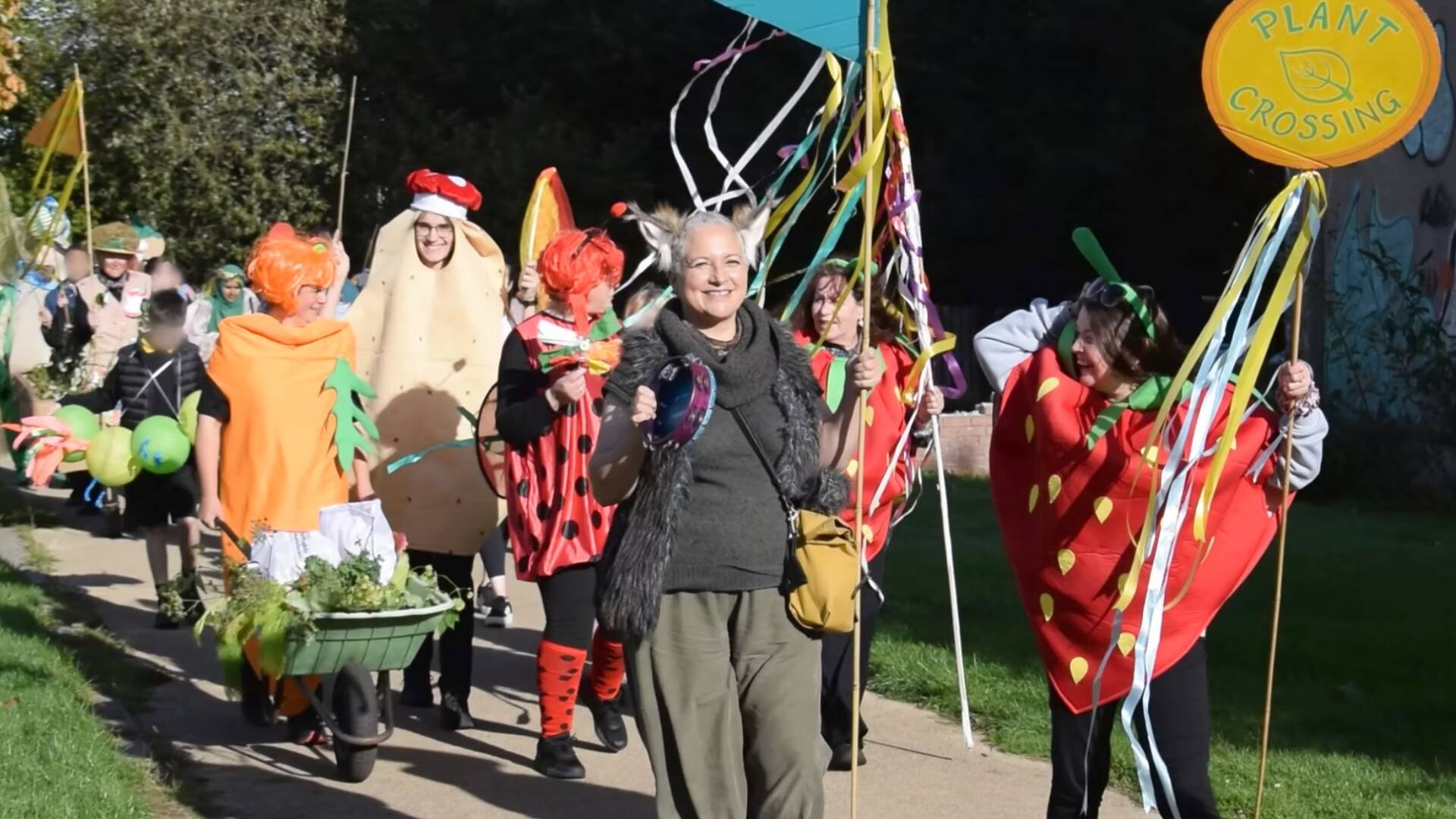
Organised by the Dundee Play Forum and built on the idea that ‘play is for everyone’, Dundee Play Festival will join a growing international movement that recognises play as essential to healthy communities and thriving cities.
From Thu 11– Sun 14 June 2026, communities across the city will be invited to explore, imagine and connect through the joy of play. Supported by NHS Tayside Charitable Trust and Foundation Scotland, the Dundee Play Festival will feature a lively programme of hands-on activities, interactive performances and creative experiences designed to spark curiosity and imagination.
The festival is committed to creating a welcoming and accessible environment where people of all backgrounds, abilities and generations can take part and have fun! Residents and visitors alike are invited to join the celebration and rediscover the joy of play through sport, drama, music, dance, and games across the city.
If you’d like to be involved in bringing Dundee Play Festival to life, register your interest at the link below! They want to hear from artists, digital and board game creators, community organisations, dancers, musicians, sports clubs, performers and everyone who views play as a key part of their work.
Share some ideas for events or activities, give an indication of support required and when you’d be available, and the project co-ordinator will be in touch with more information.
If you would like to support us in creating even better content, please consider joining or supporting our Amps Community.
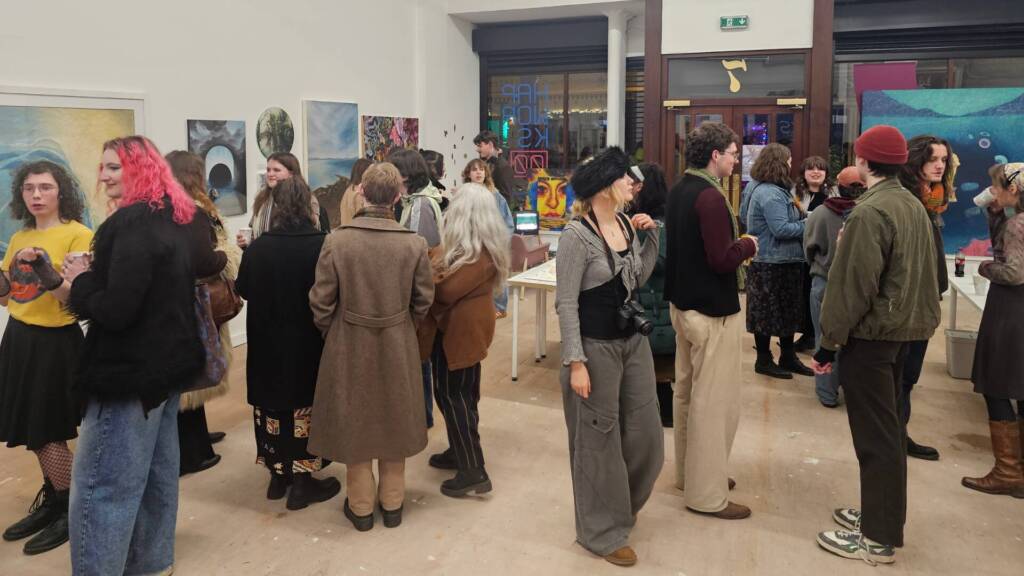
Since announcing their first space in Dundee in July last year, charity Outerspaces rapidly filled their temporary studio space with creative practitioners, recent graduates, small businesses and collectives; all in need of space to make work. Located in the former TJ Hughes department store in the Wellgate Centre, the unit had been vacant since 2020 when the store did not reopen after the first Covid-19 lockdown.
Outerspaces is one of several charities which negotiates with the landlords of vacant units to provide free space for artists, responding to the need for affordable studio space and the increasing number of vacant spaces in towns and cities across Scotland. Organisations like EP Spaces and Hypha Studios are also using this approach and it is fast becoming the dominant model in Scotland. So, are temporary spaces the solution to both the desperate lack of creative space and the regeneration of our city centres, or just one of few options available to creative practitioners in need of long-term and secure creative spaces?
There is no doubt that temporary spaces offer a practical and affordable solution for short-term projects and emerging creative practitioners, providing a flexible option to those not ready to commit to a long-term space. They bring together a diverse mix of disciplines and offer exciting opportunities for experimentation and new collaborations. These models also tap into a strong interest from local authorities, landlords and the property sector in alternative uses for vacant units due to the decline of retail, and an appetite from communities for more community spaces and cultural activities in city centres.
Creative Dundee’s temporary pilot space, Hapworks_00, occupied a vacant retail unit at 7 Castle St in the city centre, in partnership with Dundee City Council. It gave us the opportunity to experiment, make creative work visible and develop ideas for a long-term space with the creative community. However, as we came to learn firsthand, temporary space has many limitations. It comes with unexpected responsibilities and risks, and often limits creative communities’ ability to invest in their spaces, practices and network.
The most obvious downside of temporary space models is the unknown lease length, with space typically offered on rolling 30-day contracts, leading to an understandable reluctance from either temporary space providers or the tenants to invest in improving the spaces. This means that spaces are not always fit for purpose. They often don’t have services such as wifi and aren’t adapted for accessibility and security, limiting who can use them and requiring tenants to trust one another with their work and property. Without staff onsite, many of these spaces rely on the community of artists to self-organise around maintenance of the space, implementing safety procedures, and covering heating and energy costs.
This work is all unpaid with the community themselves taking on responsibilities and liability. When a new commercial tenant is found for the space, the work of moving out, identifying a new space, and establishing these systems begins again and repeats indefinitely. These issues have been explored extensively with artists and creative practitioners through the More Than Meanwhile project whose manifestos highlight the concerns around temporary spaces and the amount of unpaid work required by creative communities to set up and run them.
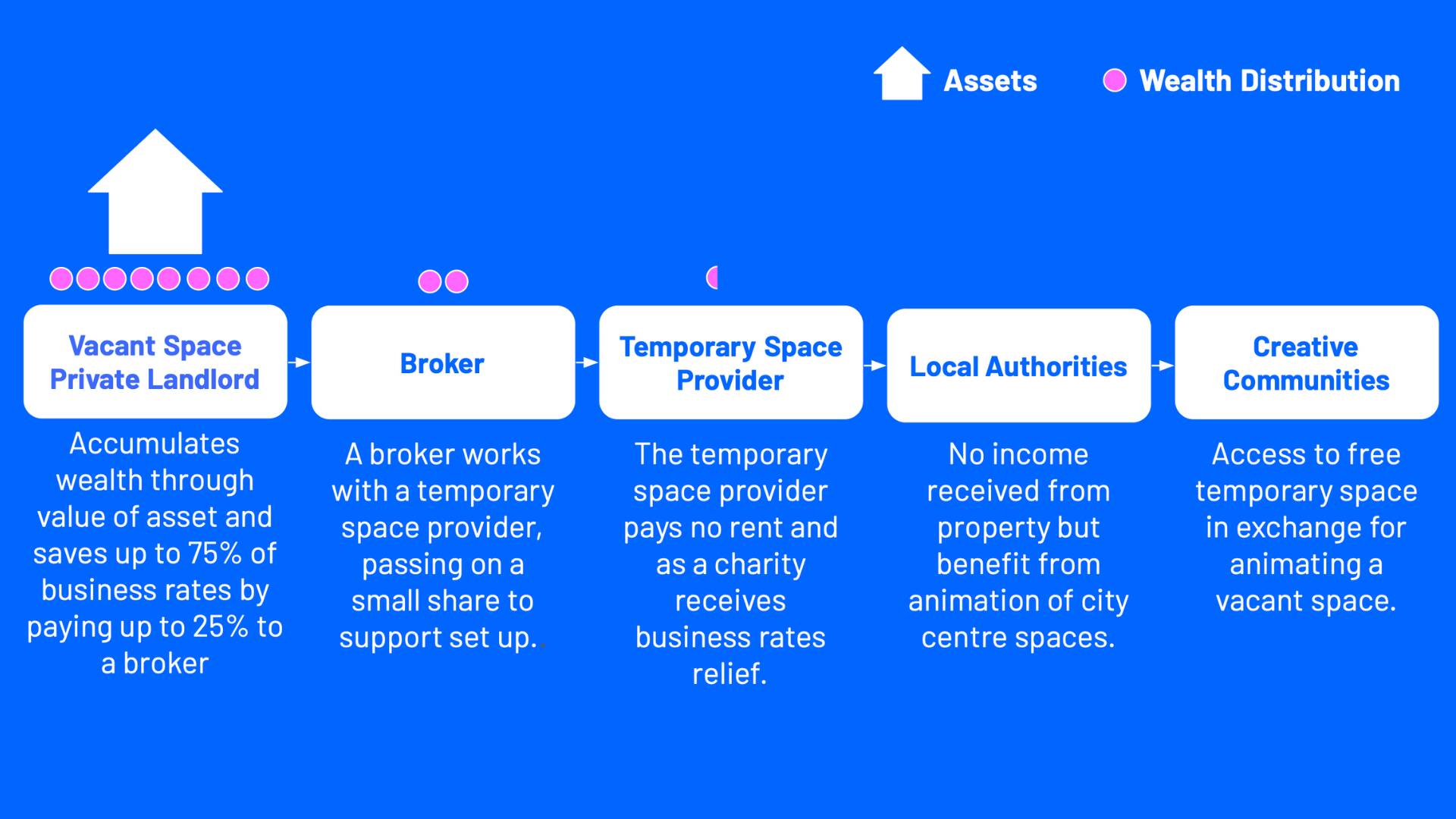
In addition to this, the model predominantly benefits private landlords. Allowing them to retain their assets, accumulate wealth from them, and avoid non-domestic business rates (a tax on commercial properties) – all without the commitment of a long-term lease. Hammond Associates act as the property broker for all the temporary space providers mentioned in Scotland. According to Hammond Associates, landlords are able to save up to 75% of the business rates payable on their vacant property with up to 25% paid to the property broker. The temporary space providers may receive a small portion to support their charitable activity, and the creative community receive only access to the space. As a charity, the temporary space provider is eligible for tax relief, which makes the space more affordable but also results in little or no business rates paid to Local Authorities and the Scottish Government.
The diagram below aims to simply demonstrate the top down nature of the temporary space model and where wealth and assets are held.
Artists and creative practitioners might benefit from temporary access to space, but during their tenancy landlords are permitted to continue to market the property. By being in the space, the creative community increases visibility, footfall and overall market appeal of the space, ultimately helping landlords to attract the long-term tenant who will displace them.
Perhaps this is the price paid for free or low rent space. The pattern of creative communities making neighbourhoods, streets and spaces desirable only to be turfed out for businesses able to pay higher rates is not new, but the way this has been accepted and is becoming structural is concerning. While temporary space provision definitely has a role to play in the ecosystem of what creative spaces are needed, this alone will not provide the long-term security and space creative communities require, and a reliance on this model is increasingly problematic. Indeed, even long-term space suffers without development funding and coherent strategy, as we can see unfolding in Glasgow.
With the passing of the Community Wealth Building (Scotland) Bill in the Scottish Parliament last month, now is a key time to consider who temporary space models benefit and what other options are needed. How can we create the pathways from temporary to long-term space that enable creative practitioners to develop their practice, businesses to grow and communities to evolve? What other models are needed to unlock long-term, sustainable space? And how can we enable creative communities to own assets in a way that breaks continuing cycles of instability and builds community wealth?
Creative communities by nature already contribute meaningfully to Community Wealth Building strategies and have the potential to lead the way in Scotland. But to continue doing this work and realising its potential they need support from place partners, private landlords, and the wider property sector to access long-term space.
Temporary space activates vacant buildings, offers valuable flexibility for creative practitioners, and builds new, mixed-practice networks – but without longer-term pathways, it cannot build stability or wealth for local communities. We now need a clear transition from meanwhile-use to secure, incremental and ultimately permanent creative infrastructure.
Thank you to those who joined us for Meanwhile Space Ecologies; a workshop and panel discussion on Thu 19 March where we discussed the benefits and challenges of Dundee’s temporary and short-term space infrastructure in collaboration with researchers from Newcastle University. We’ll be sharing more from this continuing research in the coming months.
If you would like to support us in creating even better content, please consider joining or supporting our Amps Community.
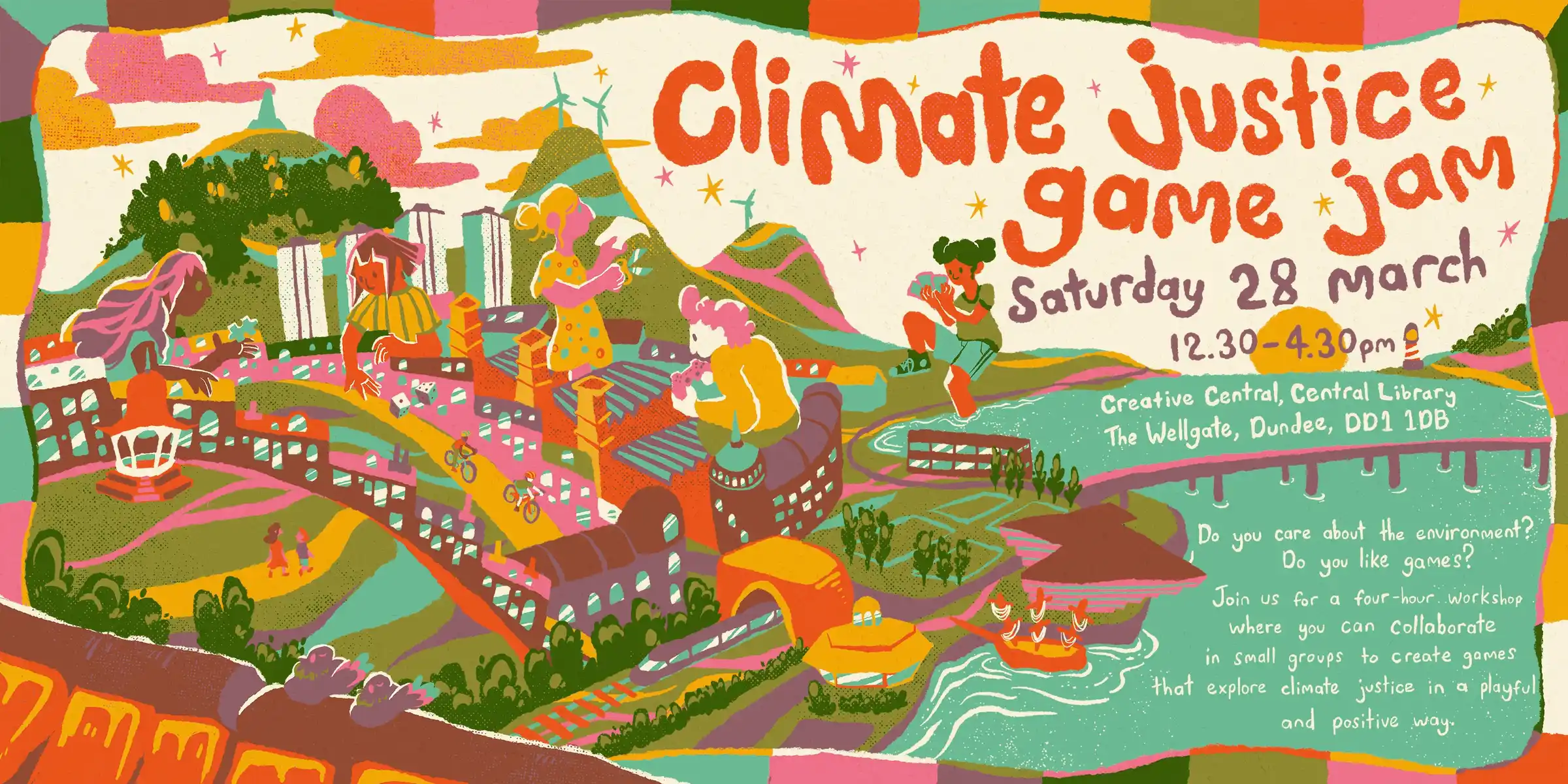
Do you care about the environment? Do you like games? Join Tommy, Claire and Mal of Biome Collective for an afternoon workshop where you can collaborate in small groups to create games that explore climate justice and look forward to a brighter future.
You can make any type of game you like, but the focus will be on prototyping games with physical media (pens and paper) rather than writing code. The event is free to join and open to all ages and levels of game-making experience!
When
Sat 28 March, 12.30–4:30pm
Where
Creative Central,
Central Library,
The Wellgate,
Dundee, DD1 1DB
If you would like to support us in creating even better content, please consider joining or supporting our Amps Community.
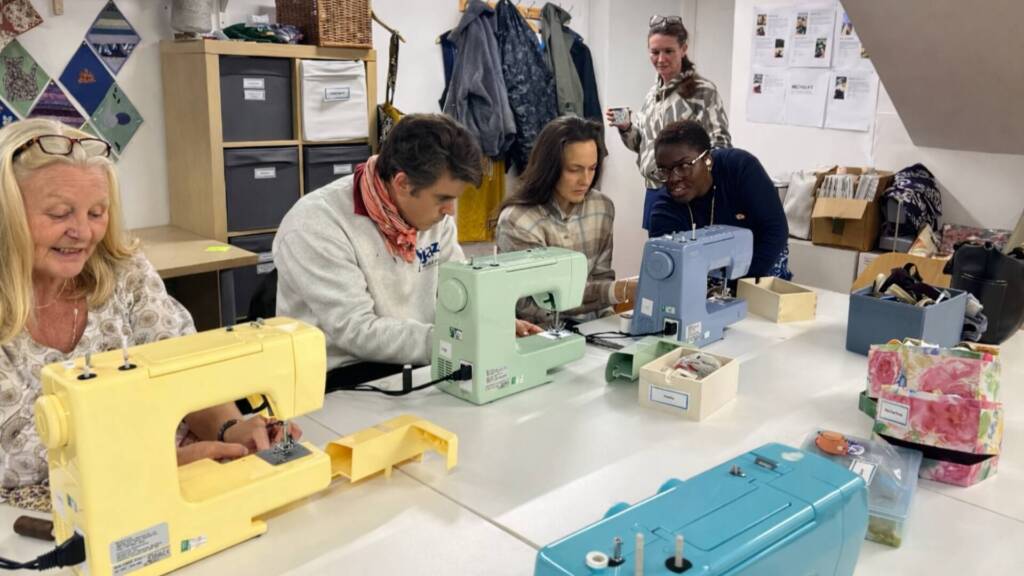
Dundee-based fashion designer Omolola Olasoju (House of MO) has launched monthly repair workshops in collaboration with Transition Dundee, aimed at helping anyone extend the life of their clothing and reduce textile waste.
From reinforcing seams and replacing fastenings to resizing and structural alterations, attendees are supported in learning techniques that increase durability and reduce unnecessary consumption. Sessions are open to all skill levels with hands-on guidance for essential garment-mending skills.
The workshops are set to continue monthly, contributing to Dundee’s growing network of sustainability-led initiatives and reinforcing the role local creatives can play in environmental responsibility!
When
Last Saturday of the month.
Next workshop: Sat 28 March, 3–5pm
Where
The Wardrobe
112 Nethergate
Dundee, DD1 4EH
Follow House of MO on Instagram for further updates and event details.
If you would like to support us in creating even better content, please consider joining or supporting our Amps Community.
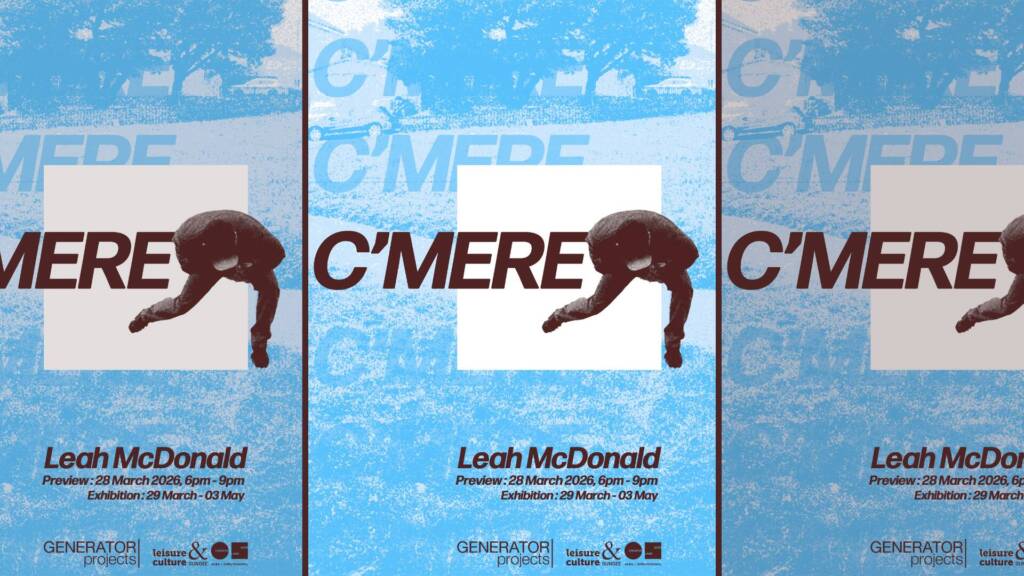
Spanning newly commissioned work across Motherwell and Dundee, and unfolding alongside a public programme of events, C’MERE by Leah McDonald draws on lived experience, labour, and landscape.
Bringing together a series of existing works alongside newly commissioned pieces grounded in Motherwell and Dundee, the exhibition invites visitors into Generator Projects, only to redirect attention outward, prompting reflection on place, surroundings, and who public space belongs to.
Running alongside the exhibition, wider programming will feature an artist talk with Leah McDonald, a live invitation to engage with a site-specific intervention, and further events.
When
Sun 29 March – Sun 3 May 2026
Thu-Sun, 12–5pm
Opening Preview: Sat 28 March 2026, 6–9pm
Where
Generator Projects
Unit 25, Industrial Estate
26 Mid Wynd
Dundee DD1 4JG
Follow Generator Projects on Instagram for further updates and events.
If you would like to support us in creating even better content, please consider joining or supporting our Amps Community.
Inspired by Dundee’s vibrant ecosystem of organisations, groups, and freelancers working hand-in-hand with communities to sustain hope, nurture wellbeing, and imagine better futures through creative placemaking – this Green Tease celebrates the power of building emotional resilience and networks of support for creative climate work.
Join Culture for Climate Scotland and Creative Dundee on Tue 31 March at Art Angel to explore the intersections between art practice, climate change and mental health. We’ll hear from four creative practitioners who embed climate and care in their work, reflecting on the emotional impacts of climate action and climate justice practice. Sharing how they navigate and mitigate these challenges through creative expression, meaningful communication, and community-building.
Art Angel, 45 N Lindsay St, DD1 1PW
Tickets are free and booking is required.
To frame our discussion on the emotional dimensions of creative climate work, the talks will reflect on the Inner Climate Response Alliance‘s idea of ‘communities of care’ and how collective processing and meaningful action together can nurture resilience and long-term change.
We’ll hear from our speakers, with time for you to ask questions and share your insights afterwards. Through short presentations, they’ll share how their personal relationship with climate change has shaped their creative practice, leading to the creation of initiatives and projects that support both personal and collective wellbeing.
The presentations will include an introduction to the work of the Climate Psychology Alliance by Kate Adams, Co-Chair and Artist. Kate will speak on emotional resilience, discussing eco-anxiety and how effective inner work can strengthen collective and creative action on climate.
Kate Adams is a performance maker, facilitator, lecturer and co-chair for the Climate Psychology Alliance. She’s interested in how we can draw on creative processes for sharing our experiences of the climate and ecological crisis, and how we can strengthen our relationship with the natural world. Kate is committed as a facilitator to developing co-creative spaces for people to explore new possibilities.
Aileen Angsutorn Lees is a Thai-British writer and artist based in Perthshire. She is the founder of Decolonising The Outdoors, an interdisciplinary project which aims to dismantle narratives of dominating land and extracting nature, to rebuild relationships with the more-than-human world, and to empower communities by imagining anti-imperial anti-capitalist futures.
Mel Kalkan is a Dundee-based visual artist and co-founder of Room To Be, a grassroots creative hub and garden celebrating diversity, environmental awareness, creativity, and wellbeing through nature and connection. Driven by playful curiosity, she champions making as a way to support wellbeing, working sustainably with what she can find and believing wholeheartedly in community engagement and creativity as powerful forces for connection.
Su Shaw (aka SHHE) is a Scottish-Portuguese sound artist, musician and producer based in Dundee. Her multidisciplinary work explores themes of identity and connection at the intersection of sound, space, environment, and ecology. Presenting sound works, performances, and installations internationally, SHHE is a Cryptic Artist, alumna of Julie’s Bicycle Creative Climate Leadership programme and co-founder/producer of dundee radio club.
5:30–5:45pm: Doors open, with light-bites style buffet
5:45–6:00pm: Welcome and Introductions
6:00–6:40pm: Talks
6:40–7:20pm: Panel discussion
7:20–7:30pm: Creative Reflection
This Green Tease is designed and delivered as a partnership event between Culture for Climate Scotland and Creative Dundee.
Green Tease is culture/SHIFT’s ongoing informal events programme connecting cultural practices and environmental sustainability across Scotland. Since 2013, Green Tease has provided a platform for those interested in teasing out the links between the arts, climate change and environmental sustainability through the exchange of ideas, knowledge and practices. Green Tease events are open to people from creative and environmental backgrounds and free to attend.
Getting here:
Art Angel is in the centre of Dundee, well served by public transport.
Dundee train station is 800m away. Travel assistance is available on the train service, for more information please visit the ScotRail guidance for accessible travel.
Dundee Bus Station is 800m away. For more information on services operating to and from Dundee, please visit Stagecoach.
Art Angel does not have a dedicated car park. Limited on-street parking is available on Lindsay Street. The nearest on-street blue badge parking bay is 95m from the entrance.
Internal Access:
Art Angel is on the first floor of the Enterprise House building accessed via a lift. Accessible toilets are available.
Do you need support to attend?
Culture for Climate Scotland is committed to ensuring that our events are accessible for everyone, regardless of their disability, race, gender identity, sexual orientation, age, religion, economic status or caring responsibility.
We will make any necessary adjustments to our events so that no one is excluded. These adjustments will, most likely, differ from event-to-event and person-to-person, so we need your help to get it right. In the past, we have provided quiet spaces, British Sign Language interpreters and internet dongles for portable internet access. We now provide access packs including ear defenders, sensory supports and reading overlays at in-person events.
Some adjustments may take more time to arrange than others, so we appreciate you giving us as much notice as possible about what you need so that we can support you to get the most out of this event. Please inform us of your accessibility requirements for this event during the registration process. If you have any questions or concerns, please send an email to hannah.imlach@cultureforclimate.scot or telephone +44 (0)131 243 2760 and speak to a member of staff.
If you would like to support us in creating even better content, please consider joining or supporting our Amps Community.
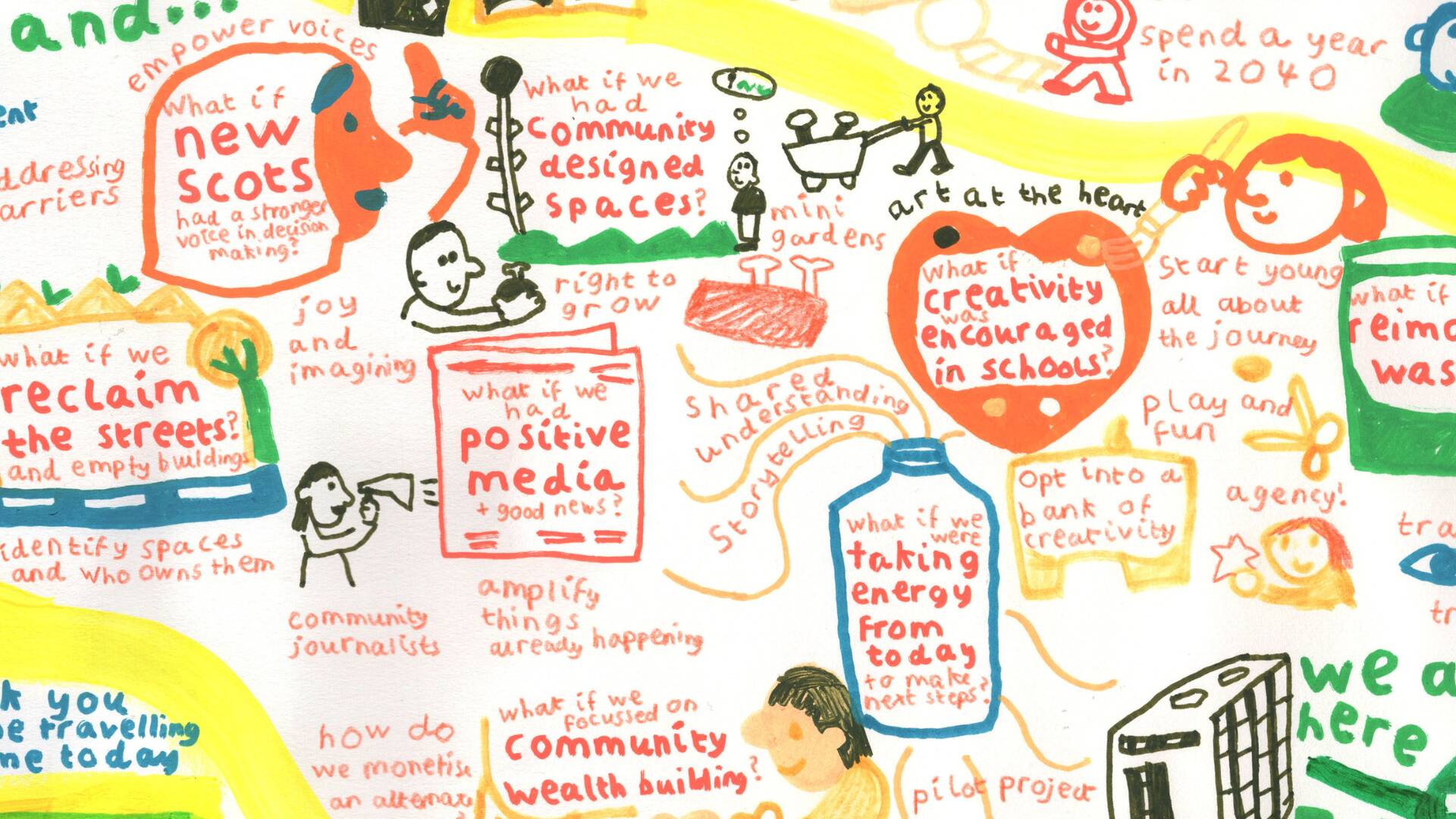
Across four weeks from November to December 2025, 3,906 people took part in Dundee City Council’s Budget Consultation for 2026/27. The resulting Budget Consultation Report was published on their website in February. Behind these numbers sits a bigger question: beyond balancing next year’s budget, what is the long-term future our elected representatives are working towards for Dundee?
Creative Dundee believes it’s important to highlight these report findings given that residents and visitors committed valuable time, thought and effort to the consultation process, and at a demanding point in the calendar year.
With 3,871 responses received online, the report states that it took individuals an average of 48 minutes to complete the consultation. This suggests that people collectively gave approximately 130 days of their time to engage in this process; equivalent to one person working full-time for six months. This, however, doesn’t take into consideration the significant amount of time spent by the staff and communities directly impacted by being listed within the consultation – an amount of time impossible to try and estimate.
The consultation asked people to rate how budget proposals would ‘impact on you’ – an individual framing that was challenging for rating services which aren’t universally used, as we highlighted in last year’s results. Yet what respondents often spoke about was not the individual but the collective; the communities, shared spaces and infrastructure, and the kind of city we want Dundee to be.
When asked which services had become more important over the past year, leisure and culture (libraries, museums, sports centres etc.) came out highest of all services included at 22.5%. The report contains many more interesting stats which we encourage you to read and explore.
“Leisure and cultural services were seen as being important for community wellbeing, especially during the cost‑of‑living crisis therefore this had raised their importance. Residents value libraries, sports centres, swimming pools, museums, and theatres for supporting health and social connection. Free or affordable spaces help reduce isolation, aid children’s development, and provide accessible exercise, notably swimming pools for life-saving skills and people with disabilities. Cultural venues like the DCA and Dundee Rep were noted to be central to Dundee’s identity.”
From page 43 onwards, the report focuses on the impacts of proposed cuts to external community and cultural organisations. Some common themes stand out to us:
Respondents recognised the financial pressures, with suggestions for mitigating cuts including the diversification of income, sharing premises, sponsorship, phased reductions and tiered pricing – with care, and without undermining access.
Those completing the consultation have given energy, time and clarity to the difficult questions posed, but it is hard to know how these responses will influence the final budget decisions. This is despite respondents calling for “stronger long-term strategic direction, and more meaningful opportunities for residents and stakeholders to engage in shaping priorities”.
The scale of the challenges we are collectively facing cannot be achieved through an annual scarcity-mindset consultation, which feels last minute, taking place at the most challenging time of the year. DCC selects the style, format and the wording of these questions – it is not a statutory legal requirement to do a consultation in this exact way. Other local authorities are using a range of methods to consult on budgets; using participatory budget simulator tools for example, and asking ‘how would this proposed cut impact your family, or communities you are part of?’.
If DCC continues working within this same structure, year-on-year, the cumulative damage will leave all of us depleted, with nothing left to cut. This approach does not enable a constructive, democratic route forward, nor will it help us achieve the Community Wealth Building laid out in Scotland’s ambitious new bill.
We need long-term vision from our local and national politicians, combined with ambitious and brave local authority leadership, and collective discussions with action to tackle these significant systemic issues. We need to strengthen democracy through the daily practice of shaping the world we collectively inhabit (community organising, participatory budgeting, considering grandchildren/future generations, people & planet assemblies), and find ways to gather, imagine and move forward together. This work is already being led on the ground in our communities – we need civic leaders to stay engaged between elections and budget setting periods, not only in the run up to them.
If this consultation tells us anything, it is that people are committed to Dundee. When asked: what is your perfect day in Dundee?; what are the unmissable things to see and do in Dundee?; what surprises you about the city?; what needs to happen next? and what might 2030 look like in Dundee?, people show up. The question now is whether DCC can match people’s ambitions for our city, moving beyond popularity ranking-style cuts toward co-designing futures that impact us all beyond short-term election cycles.
Imagine if DCC’s approach shifted to a flourishing mindset, which used to be our prevailing logic model. Imagine if all those collective hours spent filling in the consultation and rallying people to oppose these cuts was spent instead energising positive ways forward. How might this change the tone of the conversation and the direction of travel for our city?
With the final DCC 2026/27 budget due to be decided at the City Governance Committee on Thu 5 March, and as election season approaches, we invite you to ask your local and national elected representatives and local authority staff not only how they will save money, but what long-term vision are they committed to building? And how are their policies making this future real?
2025:
Our Year in Review 2025: Less About Us and More About a City that Cares
Dundee Budget Consultation Gathering
Protect Our Dundee – Your Voice is Needed!
Dundee: A City of Culture Cuts?
If you would like to support us in creating even better content, please consider joining or supporting our Amps Community.
Subscribe to our monthly News Mail Out for more events, features, opportunities and exciting content from Dundee!
If you would like to support us in creating even better content, please consider joining or supporting our Amps Community.
Running alongside their current exhibition ‘The Debtor’s Portal‘ from writer and filmmaker Bahar Noorizadeh, Cooper Gallery present Weird Economies x Scotland – a series of public workshops, discussions and performances.
Building on Weird Economies, founded by Noorizadeh in 2021, the event series engages with the distinctive art ecologies of Scotland to deepen and amplify Noorizadeh’s interrogation of the critical relationships between art, society and financialization.
By critically addressing organisational structures and forms of agency in culture production, Weird Economies x Scotland highlights the necessity for renewed investment in grassroots initiatives and solidarity-based practices. The event series aims to grasp the changing reality of being an art practitioner amid the ongoing precarity of public funding in a world suffering the political instability of authoritarianism.
Events are free, open to all and require no prior experience or knowledge to attend. Participants can sign-up via Eventbrite for one or all of the one-off sessions.
If you would like to support us in creating even better content, please consider joining or supporting our Amps Community.

Dundee-based DD Commons is a grassroots project exploring what a different kind of internet could look like: one shaped by care, community values, inclusion, and mutual support, rather than profit, surveillance, or harm.
Working with women and the wider community, DD Commons aims to establish an online network designed with care-led values in mind, providing a supportive and abuse-free environment for collaboration and learning. Opening up access to digital tools and confidence, particularly for people who have historically been excluded from shaping technology.
If you’re interested in helping to build an affirming, supportive digital space, DD Commons want to hear from you!
How you can help:
DD Commons also provides the inspiration for an upcoming series of Digital Change for Climate Justice workshops, which will invite people to explore the hidden systems behind the internet, learn practical community tech skills, and imagine fairer, greener digital futures together.
DD Commons is a Dundee-based, grassroots project exploring community-led alternatives to mainstream digital platforms.
The project has been initially funded by Connecting Scotland: Place Based Digital Inclusion a collaboration between Scottish Government and SCVO to increase digital inclusion. Original development partnership was between Cake or Dice, Scottish Refugee Council (Dundee), Scrap Antics, Dundee Makerspace, Abertay University (Computer Arts), In-Grid Collective.
If you would like to support us in creating even better content, please consider joining or supporting our Amps Community.
Inspired by listening practices happening elsewhere, dundee radio club is a project for sonic exploration in Dundee – a community radio station for listening together, sharing sounds and opening ears. Following a hugely successful inaugural 48-hour Listening Festival in 2025, dundee radio club are back with a 72-hour Listening Festival from Thu 26 Feb–Sun 1 Mar!
With more than 150 contributors from across the globe alongside familiar Dundee names, they’ve collated a hugely varied programme for listeners to enjoy.
Across the 72-hours they’ll be exploring memories and photographs, dancing hard with back-to-backs, listening with antarctic ears, jumping aboard the discovery, joining people in protest and solidarity, sharing thinking on stinking, joining Beirut bands and so much more!
Listeners can join dundee radio club in-person for a special launch event at Mana Coffee from 12noon on Thu 26 Feb. They’ll be joined by artist, musician and designer Tommy Perman to discuss and launch a new web directory of radio activity from across the globe!
If you would like to support us in creating even better content, please consider joining or supporting our Amps Community.